
Table of Contents
- Introduction
- Overview of plumbing qualifications
- Certification vs licensing in plumbing
- Highest degrees in plumbing education
- Importance of plumbing apprenticeships
- Continuing education and advanced training
- Specializations within plumbing qualifications
- Exam requirements for plumbing certification
- Career advancement opportunities in plumbing
- Conclusion
- Frequently Asked Questions
Introduction
In the ever-evolving landscape of trades, plumbing stands out as a crucial profession that blends technical skill with hands-on craftsmanship. But what lies at the pinnacle of this essential trade?
Join us as we dive into the intricate world of plumbing qualifications, seeking to uncover what it truly means to achieve the highest accolade in this field. Is it a specific certification, years of experience, or perhaps a unique blend of both traditional and modern practices?
As we explore the qualifications that elevate plumbers into the upper echelons of their craft, we’ll also reveal the opportunities that await those who aim high. From master plumbers to specialized technicians, the journey is filled with challenges and rewards that can unlock untold success.
Discover the fascinating pathway that leads to plumbing’s highest qualification and the invaluable role that skilled plumbers play in our daily lives.
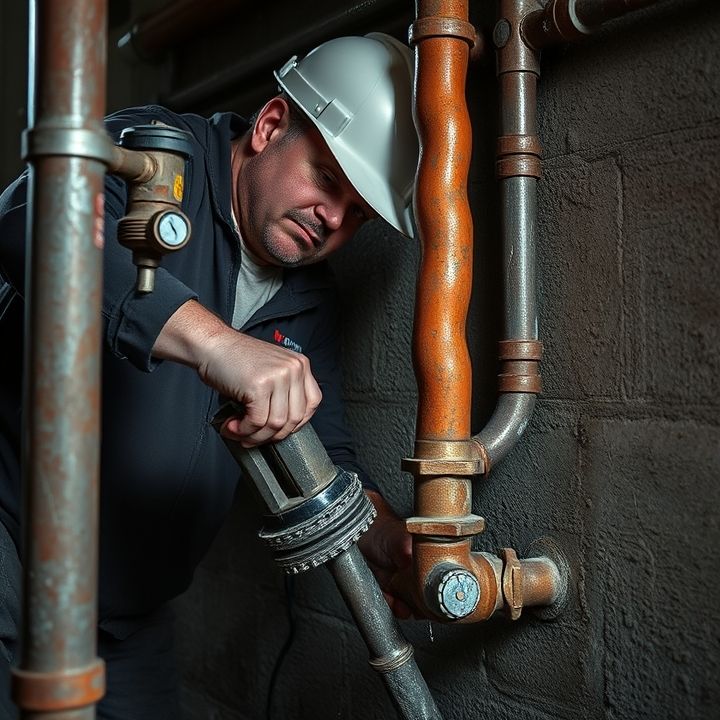
Overview of plumbing qualifications
Plumbing qualifications vary significantly depending on the country and local regulations, but they generally encompass a combination of formal education, apprenticeships, and certifications. The foundational step in pursuing a career in plumbing often involves earning a high school diploma or equivalent. Following this, many aspiring plumbers enter vocational or technical schools to gain essential knowledge about plumbing systems, safety protocols, and relevant codes.
After completing formal education, individuals typically undergo apprenticeships, which provide hands-on training under the supervision of experienced plumbers. These apprenticeships usually last between two to five years, during which time trainees acquire practical skills and experience in a real-world environment.
In terms of certification, many regions require plumbers to pass licensing exams to demonstrate their competency. The highest qualifications in plumbing may include specialized certifications in areas like gas fitting, pipefitting, or advanced plumbing technology. Continuing education is also crucial, as it helps plumbers stay current with new technologies, materials, and practices in the field.
Certification vs licensing in plumbing
In the plumbing industry, understanding the distinction between certification and licensing is crucial for professionals. Certification typically refers to a voluntary process through which individuals demonstrate their skills and knowledge in plumbing through standardized testing. It is often granted by professional organizations or trade associations, providing recognition for expertise in specific areas, such as water supply systems, drainage, and fixtures. Certifications can enhance a plumber’s credibility and improve employment opportunities, as many employers prefer or require certified professionals.
On the other hand, licensing is a mandatory requirement imposed by state or local governments to ensure that plumbers meet specific legal and safety standards. To obtain a plumbing license, individuals usually must complete a set number of training hours, work under a licensed plumber, and pass an exam. Licenses grant plumbers the legal authority to perform plumbing work, and practicing without one can lead to significant penalties. Understanding both certification and licensing helps plumbing professionals navigate their career paths effectively.
Highest degrees in plumbing education
The highest qualifications in plumbing education typically include advanced certifications and degrees that enhance a plumber’s skills and knowledge in the field. One of the most recognized qualifications is a Master Plumber license, which often requires a significant amount of experience, along with passing a rigorous examination. This qualification allows individuals to take on more complex projects and supervise other plumbers.
In addition to traditional licenses, some educational institutions offer associate and bachelor’s degrees in plumbing technology or construction management. These programs cover advanced topics such as plumbing system design, plumbing codes, and business management, providing a comprehensive education that prepares individuals for leadership roles in the plumbing industry.
Online courses and certifications in specialized areas, such as green plumbing or pipefitting, can also represent the highest level of education in plumbing, catering to the growing demand for environmentally friendly solutions. As plumbing technology continues to evolve, pursuing higher education and certifications can significantly enhance career prospects and expertise.
Importance of plumbing apprenticeships
Plumbing apprenticeships play a crucial role in shaping skilled professionals in the plumbing industry. These programs offer hands-on training, allowing apprentices to gain practical experience while working alongside seasoned plumbers. This mentorship is invaluable, as it helps apprentices understand the complexities of plumbing systems, installation techniques, and problem-solving strategies.
Furthermore, apprenticeships provide a structured learning environment that combines theoretical knowledge with practical application. This dual approach ensures that apprentices not only learn about plumbing codes and regulations but also how to apply this knowledge in real-world situations.
Completing a plumbing apprenticeship can also enhance job prospects significantly. Many employers prefer hiring individuals who have undergone formal training and apprenticeship programs, as they typically have a more robust skill set and a better understanding of the trade.
In summary, plumbing apprenticeships are essential for developing competent, skilled plumbers who can meet industry standards and contribute effectively to their workplaces.
Continuing education and advanced training
Continuing education and advanced training play a crucial role in the plumbing profession. As technology and industry standards evolve, plumbers must stay updated with the latest techniques, tools, and regulations. This ongoing education ensures that they can provide safe and effective services to their clients.
Plumbers often engage in formal training programs that include specialized courses on advanced topics such as renewable energy systems, plumbing design, and water conservation techniques. Many states require plumbers to complete a certain number of continuing education hours to maintain their licensure. This not only enriches their knowledge but also enhances their credibility in the field.
Additionally, certifications from recognized organizations can open doors to higher-level positions and specialized areas within plumbing. For instance, certifications in backflow prevention or medical gas installation can significantly enhance a plumber’s skill set. As such, investing in continuing education is essential for those looking to advance their careers and offers a range of benefits, including increased job opportunities and higher earning potential.
Specializations within plumbing qualifications
Plumbing qualifications can vary greatly depending on the type of specialization a plumber chooses to pursue. Common specializations within plumbing include residential plumbing, commercial plumbing, and industrial plumbing. Residential plumbers focus primarily on the installation, maintenance, and repair of plumbing systems in homes, including water supply and drainage systems.
Commercial plumbers, on the other hand, work in larger facilities that require more complex plumbing systems, such as schools, hospitals, and shopping centers. They must be well-versed in the specific codes and regulations governing commercial plumbing installations.
Industrial plumbing involves working within industrial settings such as factories and power plants. This specialization requires an understanding of high-pressure systems and specialized materials.
Other specializations may include service and repair plumbing, where plumbers diagnose and fix issues, and green plumbing, which focuses on sustainable practices and water conservation.
Each specialization may require different certifications and training programs, reflecting the unique skills and knowledge needed for the various aspects of the plumbing profession.
Exam requirements for plumbing certification
To obtain plumbing certification, candidates must meet specific exam requirements that vary by region or state. Typically, prospective plumbers must first complete a rigorous training program through an accredited vocational school or apprenticeship. These programs generally cover essential topics such as plumbing codes, installation techniques, and safety practices. Following the training, candidates must pass a licensing exam, which often consists of multiple parts including written, practical, and sometimes oral assessments.
The written portion of the exam evaluates knowledge of plumbing theory, codes, and regulations, while the practical section assesses hands-on skills and competency in real-world scenarios. Additionally, some regions may require continuing education courses to maintain certification, ensuring that plumbers stay updated on industry standards and practices. It’s important to check local regulations for specific exam content and requirements, as these can vary significantly. By fulfilling these requirements, individuals can demonstrate their expertise and gain the necessary credentials to practice plumbing professionally.
Career advancement opportunities in plumbing
Career advancement opportunities in plumbing are diverse and can lead to various rewarding paths. Starting as an apprentice, individuals gain hands-on experience, which is crucial for developing fundamental skills. After completing their apprenticeship and obtaining necessary licenses, plumbers can increase their earning potential and take on more complex jobs.
Experienced plumbers often choose to specialize in specific areas such as residential, commercial, or industrial plumbing. Specializations may include roles like pipefitting, gas fitting, or even HVAC systems. Certifications in these fields can enhance credibility and open doors to advanced positions.
Additionally, plumbers may opt to start their own businesses, which not only allows for greater autonomy but also increases earning potential. Further educational opportunities, such as managerial training or business courses, can help those interested in taking on supervisory roles or running their own companies. In some cases, skilled plumbers also explore teaching opportunities, sharing their knowledge with the next generation of professionals.
Overall, the plumbing industry offers various pathways for growth and advancement.
Conclusion
In conclusion, achieving the highest qualification in plumbing is a journey that combines education, practical experience, and continual learning. From obtaining foundational certifications to completing advanced degrees and specialties, each step is essential in fostering a successful plumbing career. The significance of plumbing apprenticeships cannot be overstated, as they bridge the gap between theory and practice, while ongoing education ensures that plumbers stay updated with industry advancements. Moreover, the diverse specializations available within the plumbing field open doors to various rewarding career paths, whether one chooses to supervise teams, start their own business, or delve into innovative practices like green plumbing. This evolving industry not only demands skilled professionals but also offers abundant opportunities for growth and advancement. If you are seeking professional plumbing assistance or guidance in your journey towards the highest qualification, don’t hesitate to reach out. Call 573-555-2121 today to get the expert help you need!