Categories
plumbing

Uncovering the Mystery: How to Identify a Hidden Leak in Your Home

Table of Contents

Introduction

Water is a vital resource, yet it can also be a sneaky saboteur lurking in your home. A hidden leak can wreak havoc, leading to expensive repairs and damaging your property long before you’re even aware of its presence.
Imagine the ominous sound of dripping water echoing through your walls, or the inexplicable increase in your water bills. This article will guide you through the essential steps to uncover these elusive leaks, from telltale signs that may go unnoticed to effective investigative techniques you can employ.
Are you prepared to transform yourself from an unsuspecting homeowner into a leak detective? Let’s begin by exploring the hidden world of leaks that could potentially cost you more than just a few dollars in unpaid bills. To kickstart this journey, we’ll also highlight an insightful image capturing a plumber’s diligent work addressing a leak—helping you visualize the importance of tackling such issues head-on.
Stay tuned as we delve deeper into the practical methods you can use to identify and address hidden leaks before they escalate into costly catastrophes!
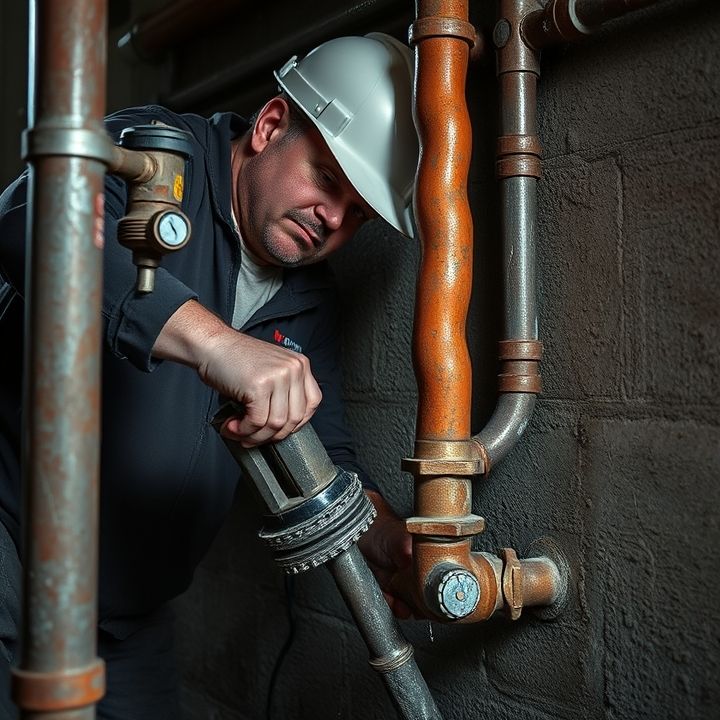
Plumber working on broken pipes

Signs of water damage in your home

Signs of water damage in your home can manifest in various ways, often indicating that there may be a hidden leak. One of the most noticeable signs is the appearance of water stains on walls or ceilings, which can indicate moisture buildup from above.
Additionally, if you notice peeling paint or wallpaper, it could be a signal that water is seeping underneath the surface.
Another sign to watch for is an increase in your water bill without a logical explanation; this could suggest a leak somewhere in your plumbing system.
Furthermore, the presence of mold or mildew, especially in areas like bathrooms or basements, can be a significant indicator of ongoing moisture issues.
Finally, a musty odor or the sound of dripping water, particularly in areas where plumbing is present, can also suggest hidden leaks. Being vigilant about these signs can help you catch water damage early and mitigate further complications.

Checking your water meter for discrepancies

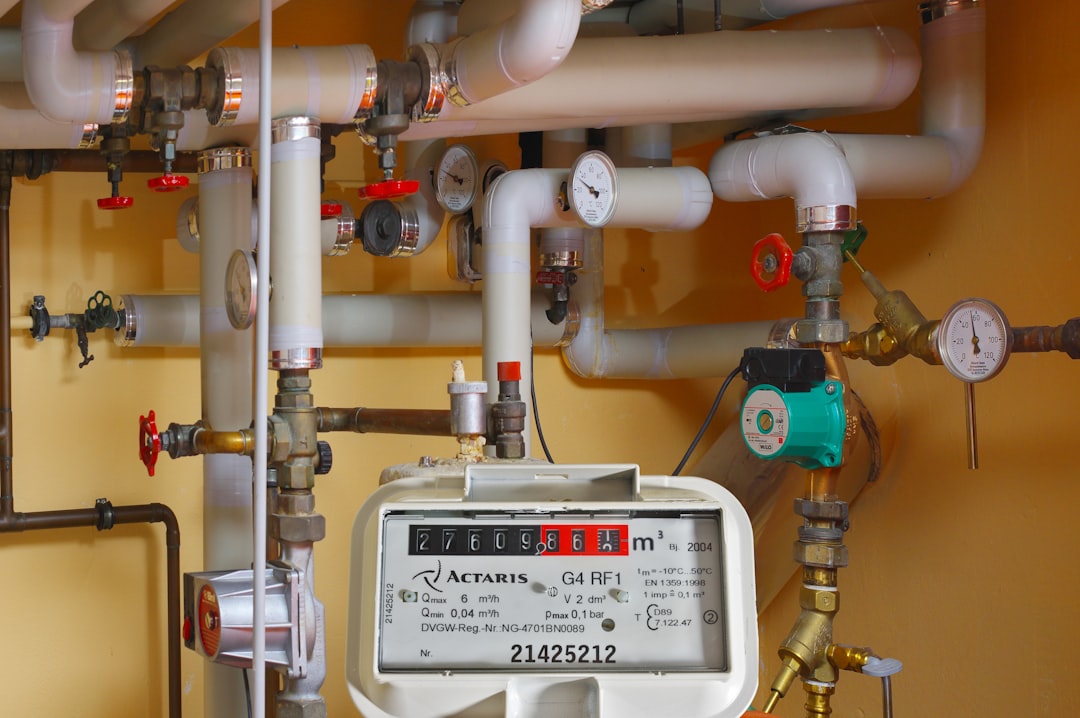
One effective way to identify a hidden leak in your home is by checking your water meter for discrepancies. Begin by ensuring that no water is being used in your home; this means turning off all taps, appliances, and sprinklers. Once everything is off, locate your water meter, which is usually found in a basement, crawl space, or outside near the street. Take note of the meter reading, and wait for a period of about one to two hours without using any water. After this time, check the meter again. If the reading has changed, it is a strong indication that there is a leak somewhere in your plumbing system.

To pinpoint the leak’s location, you can further check individual fixtures and pipes. Additionally, you can perform a dye test with toilet tanks by adding food coloring to the tank and observing if it seeps into the bowl without flushing. Regular monitoring and quick identification can help mitigate damage and reduce water bills significantly.

Monitoring your water bill for unexpected increases

Monitoring your water bill is a crucial step in detecting hidden leaks within your plumbing system. An unexpected increase in your water bill can be a significant indicator that something is amiss. First, compare your current bill to previous months to identify any sudden spikes in usage. If your household habits haven’t changed, yet the bill shows a marked increase, this is a red flag.
Additionally, check for seasonal variations. During certain months, water consumption naturally increases due to activities like watering the garden or filling a pool. If no such activities occurred, the increase may suggest a leak.
It’s also helpful to track your water usage on a weekly basis to catch any abnormal patterns early. If you notice a consistent uptick over time, it might indicate a persistent leak that needs addressing. By being vigilant and proactive with your water bill monitoring, you can save both water and money, ultimately protecting your home from potential water damage.

Using a moisture meter to identify damp areas

Using a moisture meter to identify damp areas in your home is a practical approach to detecting hidden leaks. A moisture meter is a device that measures the moisture content in various materials, including wood, drywall, and concrete.
To effectively use a moisture meter, start by selecting a suitable model for your needs, as there are both pin-type and pinless options available. Pin-type meters have metal probes that penetrate the material, providing direct readings of moisture levels, while pinless meters use electromagnetic signals to detect moisture without damaging the surface.
Begin by scanning areas where you suspect leaks—these may include walls near plumbing fixtures, ceilings below bathrooms, and floors near appliances like dishwashers or refrigerators.
When you receive a high reading, it indicates moisture presence, which can signify a leak or excess humidity. It’s important to check multiple spots in a room to get an accurate sense of moisture distribution. Once you’ve identified damp areas, further inspection will be necessary to determine the source of the moisture and take appropriate action to prevent future damage.

Observing unusual sounds in your plumbing system

One of the first signs that may indicate a hidden leak in your plumbing system is the presence of unusual sounds. Homeowners often become accustomed to the typical noises generated by their plumbing, such as the gentle flow of water through pipes or the occasional gurgle from drains. However, if you start to hear unfamiliar sounds—such as hissing, dripping, or rushing water when no taps are turned on—it could be a cause for concern.
Another sound to listen for is a constant running noise from your toilet, which may signal that water is leaking from the tank into the bowl. Additionally, pay attention to any unexpected banging or knocking sounds, often referred to as “water hammer,” which can indicate a problem with high water pressure or loose pipes.
These unusual sounds can serve as important indicators, signaling that there may be an underlying issue that requires further investigation. If you notice these sounds, it is advisable to check your plumbing system more thoroughly or consult a professional plumber for an assessment.

Inspecting plumbing fixtures for leaks

Inspecting plumbing fixtures for leaks is an essential step in identifying hidden water issues in your home. Begin by examining faucets and showerheads, as these are common sources of leaks. Look for signs of water pooling around the base or dripping from the spout, which can indicate worn washers or seals.
Next, check under sinks and behind the toilet for any moisture or water stains on the cabinetry or walls. If you notice any discoloration or bubbling paint, it could signal a leak.
Pay special attention to the supply lines connected to fixtures; these are often overlooked. Feel for dampness along the pipes and inspect the fittings where they connect to the fixtures.
Additionally, take a moment to inspect your water heater and washing machine connections, as leaks can often develop in these areas as well. Regular visual checks can help you catch leaks early, potentially saving you time and money on more extensive repairs.

Conducting a thorough visual inspection of pipes

Conducting a thorough visual inspection of pipes is a crucial step in identifying hidden leaks within your plumbing system. Start by checking all accessible pipes, including those in basements, crawl spaces, and under sinks. Look for any signs of moisture accumulation, rust, or discoloration, as these can indicate potential leaks. Pay close attention to joints and connections, which are often the weakest points in a plumbing system.
Additionally, inspect the insulation around hot water pipes. If the insulation feels damp or is stained, it may reveal a hidden leak. Don’t forget to examine the appearance of your walls and ceilings; stains, peeling paint, or bubbling drywall can signify water intrusion from leaking pipes.
While performing this visual inspection, also consider checking for any unusual sounds, such as dripping or hissing, which can also suggest a leak. A proactive approach in regularly inspecting your plumbing can help detect issues early, potentially saving you from costly repairs in the future.

Hiring a professional for plumbing leak detection

When dealing with potential hidden plumbing leaks, hiring a professional for leak detection can be an essential step to protect your home and finances. Professionals utilize advanced technology, such as infrared cameras and acoustic sensors, to accurately locate leaks without invasive methods. This precision not only saves time but also minimizes damage to your property.
Additionally, experienced plumbers can identify the root cause of the leak, offering insights into necessary repairs and preventative measures to avoid future issues. Engaging a licensed plumber also ensures that any repairs are done to code, maintaining safety and compliance with local regulations.
Another advantage of hiring a professional is their ability to provide a comprehensive inspection of your plumbing system. They can identify other potential problems that may not be immediately visible, such as corroded pipes or faulty fixtures. This thorough approach can save you from costly repairs down the line. Therefore, investing in professional help for leak detection is a wise choice for homeowners looking to maintain the integrity of their plumbing system.

Conclusion

In conclusion, identifying a hidden leak in your home is crucial to preventing extensive water damage and maintaining the integrity of your plumbing system. By recognizing the signs of water damage, checking your water meter, monitoring your bills, and utilizing tools like moisture meters, you can effectively uncover hidden leaks before they worsen. Regular inspections of your plumbing fixtures and the sounds they make can provide additional clues about potential issues. However, if your efforts to locate a leak prove fruitless, do not hesitate to seek professional help. Expert plumbers possess the tools and experience necessary to detect leaks accurately and provide effective solutions.
Don’t wait until a small leak turns into a costly repair—take action today! If you suspect a hidden leak in your home, call 573-555-2121 for reliable plumbing assistance. Protect your home and peace of mind by addressing plumbing issues promptly.
Frequently Asked Questions

What are the signs that I might have a hidden leak?

Common signs of a hidden leak include water stains on walls or ceilings, musty odors, increased water bills, and peeling paint or wallpaper.

How can I check my water meter for leaks?

To check for leaks, turn off all water appliances and fixtures, then observe your water meter. If the meter continues to move, you likely have a leak.

Can I detect a hidden leak using sound?

Yes, if you listen carefully, you may hear dripping water or hissing sounds in the walls or floors when you suspect a leak.

What tools can help me identify hidden leaks?

Tools such as moisture meters, infrared cameras, and listening devices can help locate hidden leaks more accurately.

Should I call a professional if I suspect a leak?

Yes, if you suspect a hidden leak and cannot find the source, it’s advisable to call a professional plumber to assess the situation.

Categories
plumbing

Hidden Plumbing Problems You Didn’t Know Could Be Driving Up Your Water Bills

Table of Contents

Introduction

Have you ever stared at your water bill in disbelief, wondering why the numbers keep climbing despite your best efforts to conserve? You’re not alone. Many homeowners are blindsided by hidden plumbing problems that lurk out of sight, stealthily draining their wallets month after month.

From sneaky leaks behind walls to silent toilet malfunctions, these issues can go unnoticed until the damage is done. In fact, some plumbing troubles can waste hundreds of gallons of water daily, leading to inflated bills and costly repairs. Ignoring these hidden culprits not only affects your bank account but can also lead to significant property damage over time.

But fear not! With a keen eye and some knowledge of what to look for, you can pinpoint these pesky problems before they spiral out of control. Ready to delve into the world of plumbing mysteries that could be siphoning funds from your pockets? Let’s explore the hidden plumbing problems you didn’t know could be driving up your water bills.

Plumber working on broken pipes in basement

Undetected leaks in plumbing systems and their impact on water bills

Undetected leaks in plumbing systems can significantly impact water bills, often without homeowners even realizing it. These leaks can occur in various locations, including hidden pipes behind walls, under flooring, or in underground systems. As water seeps from these leaks, the overall water usage increases, leading to higher charges on monthly bills. Even a small leak can waste several gallons of water each day, adding up over time.

Moreover, leaks can also cause damage to the structure of a home, leading to costly repairs if not addressed promptly. Homeowners may notice an unexplained rise in their water bills, which could be attributed to these silent leaks. Regular maintenance and inspections of plumbing systems can help identify and fix leaks before they escalate into significant issues.

Additionally, certain signs, such as the sound of running water or damp spots on walls or ceilings, can indicate leaks. Paying attention to these signs can help homeowners mitigate the financial impact of undetected plumbing issues and ensure a more efficient water usage.

Issues related to faulty plumbing fixtures and their contribution to increased costs

Faulty plumbing fixtures can significantly contribute to increased water bills, often without homeowners realizing the extent of the issue. One common problem arises from leaky faucets; even a small drip can waste gallons of water over time. This not only impacts the environment but also leads to higher costs on your water bill.

Toilets are another major culprit; they may run continuously due to a faulty flapper valve or fill valve. This constant cycle can waste thousands of gallons, drastically increasing your monthly expenses. Additionally, issues with showerheads or kitchen sinks, such as poor sealing, can also result in unnoticed leaks.

Another factor includes malfunctioning fittings and connections, which may develop cracks or gaps over time. Even underground leaks in your plumbing system can go undetected, leading to severe increases in water usage and cost. Regular maintenance and timely repairs are crucial to identify these problems early, reducing both water waste and financial burden.

The role of old or damaged plumbing pipes in water waste

Old or damaged plumbing pipes are significant culprits in increased water waste, often leading to higher water bills for homeowners. Over time, pipes can corrode, develop leaks, or become blocked due to mineral buildup, which can compromise their efficiency.
Leaks in old pipes may go unnoticed for extended periods, allowing water to escape into walls or under floors, which not only wastes water but also damages property. Furthermore, the pressure that builds up in aging pipes can lead to bursts, resulting in substantial water loss.
Similarly, cracks in the pipe material can cause water to seep into the ground, contributing to a higher water bill without any visible signs of malfunction within the home.
Replacing outdated or damaged pipes with modern materials can drastically reduce water waste, enhance water pressure, and ultimately lead to more sustainable water usage. Regular inspections and prompt repairs are essential in preventing the costly consequences of ineffective plumbing.

How plumbing emergencies can lead to sudden spikes in water consumption

Plumbing emergencies can significantly impact water consumption, often leading to sudden spikes in water bills. One common issue is a burst pipe, which can result in a substantial amount of water being wasted within a short period. If a pipe bursts, water can flow uncontrollably, causing not only damage to property but also consuming a large volume of water unaccounted for in normal usage.
Another situation to consider is a toilet malfunction. A running toilet can waste an estimated 200 gallons of water a day, leading to a noticeable increase in water bills.
Additionally, leaks under sinks or in walls may go unnoticed for an extended time, gradually increasing the volume of water lost. Fixing these problems as soon as they are noticed is crucial.
Lastly, emergency repairs often result in temporary fixes that may not fully resolve the underlying issues. This can lead to ongoing leaks and continual spikes in water usage. Understanding these emergencies can help homeowners take preventive measures and maintain more manageable water bills.

Problems with plumbing valves and their influence on water usage

Problems with plumbing valves can significantly influence water usage, often leading to unexpectedly high water bills. Valves are essential components of plumbing systems, responsible for controlling the flow of water throughout a home. When valves malfunction, they can create leaks or cause an increase in water pressure, which results in excessive water use.
One common issue is a faulty shut-off valve, which may not close properly. This can result in continuous water flow, wasting gallons of water daily. Similarly, pressure-reducing valves that are stuck open can lead to a surge in water usage, impacting both consumption and costs.
Another frequent issue arises with check valves. If they fail, they can allow water to flow backward, leading to potential leaks and increased water usage. It is crucial for homeowners to monitor their plumbing valves regularly and seek professional assistance when they notice unusual increases in their water bills, as timely intervention can prevent more significant issues and costs down the line.

The effects of clogged drains on overall water flow and billing

Clogged drains can have a significant impact on overall water flow and can lead to increased water bills. When drains become blocked, water is unable to flow freely, causing it to back up and stagnate. This not only results in slow draining sinks and tubs but can also lead to overflowing toilets and other plumbing problems. As homeowners attempt to resolve these issues, they may find themselves using more water than usual, either through manual means like flushing or running additional water to clear the blockage.
Additionally, the effort to regularly clean or maintain plumbing systems can lead to higher utility costs. Furthermore, if the clog is severe, it may necessitate professional plumbing services, which can add significantly to the overall water bill. It is critical to address clogged drains promptly to prevent escalating costs and to maintain a healthy plumbing system.

Inefficient plumbing water heater service and its cost implications

A key component of any household plumbing system is the water heater, which can significantly influence water bills if it operates inefficiently. An inefficient water heater can increase energy costs due to its inability to heat water effectively, leading to longer running times and higher energy consumption.
There are several factors that contribute to a water heater’s inefficiency, including sediment buildup, aging elements, and improper sizing for your home’s needs. Sediment can insulate the heating elements, making them work harder and consume more energy. Furthermore, older units may not be equipped with the same energy-saving technology as newer models, resulting in increased operational costs.
Regular maintenance and timely service can help mitigate these issues by ensuring that your water heater is functioning at optimal levels. Neglecting service can lead to more severe problems and higher repair costs down the line. Understanding these implications is essential for homeowners looking to manage their water bills effectively.

Plumbing system maintenance neglect and its long-term impact on water bills

Neglecting plumbing system maintenance can lead to a variety of issues that significantly increase water bills over time. Small leaks in pipes and fixtures, if left unaddressed, can waste gallons of water daily, directly impacting your monthly expenses. Additionally, corrosion and mineral buildup within pipes can create blockages, leading to increased pressure in the system. This additional pressure can exacerbate existing leaks, further contributing to water waste and higher utility bills.

Furthermore, appliances like water heaters and washing machines rely on a well-maintained plumbing system to function efficiently. If these systems are not regularly serviced, they may consume more water and energy to perform, resulting in higher operational costs. Ignoring routine maintenance, such as inspections and timely repairs, can lead to significant plumbing failures that require costly repairs or replacements. Ultimately, investing in regular plumbing maintenance can prevent unnecessary water waste and save money in the long run by keeping water bills manageable.

Conclusion

In conclusion, hidden plumbing problems can significantly impact your water bills, often in ways that go unnoticed until it’s too late. From undetected leaks to faulty fixtures and aged pipes, each issue contributes to unnecessary water waste and increased expenses. Regular inspections and timely maintenance are essential to catch these problems early and to safeguard your finances. If you suspect that your plumbing system is causing an unexpected spike in your water bills, don’t hesitate to take action.

Contacting a professional plumber can not only save you money by repairing existing issues but also prevent future complications that could lead to higher costs. For immediate assistance, call 573-555-2121. Let our experts help you identify and resolve any hidden plumbing problems, ensuring your home maintains efficient water usage and lower bills.

Frequently Asked Questions

What are common plumbing issues that can lead to increased water bills?

Common issues include leaks in pipes, running toilets, dripping faucets, and irrigation system malfunctions.

How can a leaking pipe affect my water bill?

A leaking pipe can waste a significant amount of water over time, leading to higher water bills.

What should I look for to identify a running toilet?

Signs of a running toilet include continuous water sound and unexplained increases in your water bill.

Can an irrigation system malfunction cause higher bills?

Yes, a malfunctioning irrigation system can result in excessive water usage, leading to increased bills.

Is it necessary to fix plumbing issues immediately to control water bills?

Yes, addressing plumbing issues promptly can help prevent further water waste and control your water bills.

Categories
plumbing

Mastering Plumbing: Essential Steps to Tackle Any Leak Like a Pro

Table of Contents

Introduction

Have you ever found yourself staring at a pesky leak, wondering how to fix it without calling in a professional? You’re not alone! Leaks are one of the most common household problems, and mastering the art of plumbing can save you stress, time, and money. In this article, we will guide you through the essential steps to tackle any leak like a pro.
Whether it’s a dripping faucet, a running toilet, or a hidden pipe that’s springing a surprise, we’ve got you covered. No need for previous experience—just a willingness to learn and the right tools at your side.
Imagine the pride of fixing your plumbing issues without the cost of a costly contractor. Armed with tips, tricks, and strategies from seasoned plumbers, you’ll gain the confidence to handle leaks and more.
So, roll up your sleeves and get ready to dive into the world of plumbing mastery! Discover that the solution to your leak is just a read away.

Plumber fixing a leak under a sink

Plumbing pipe replacement procedures

Replacing plumbing pipes can be a straightforward task if approached methodically. First, ensure you have the necessary tools and materials, including a pipe cutter, wrenches, and replacement pipes. Begin by turning off the water supply to avoid any leaks or flooding. Next, drain the existing pipes by opening faucets and allowing water to flow out. It is essential to assess the type and location of the pipes you need to replace, whether they are made of PVC, copper, or another material.
Once you have identified the problematic section, use a pipe cutter to remove the damaged pipes carefully. Be sure to cut the pipes straight to ensure a proper fit when installing the new ones. After removing the old pipe, measure and cut the replacement pipe to size, adding connectors as necessary. Finally, secure the new pipe in place and turn the water supply back on to check for leaks. Ensuring all connections are tight and secure will help prevent future issues.

Plumbing fixture installation best practices

Installing plumbing fixtures requires attention to detail and adherence to best practices to ensure functionality and longevity. Start by gathering all necessary tools, including wrenches, screwdrivers, and sealants. Before installation, turn off the water supply to prevent leaks.

When positioning the fixture, ensure that it is level and aligned properly. This helps prevent any unnecessary strain on the plumbing connections. For faucets and sinks, apply plumber’s tape to threaded connections to create a watertight seal.

When connecting water lines, use the correct fittings and ensure they are tightened securely but not excessively, which could damage the fittings. Test the connections by turning on the water supply gradually and looking for leaks.

After installation, take the time to properly clean the area and dispose of any debris. It’s also advisable to check the manufacturer’s instructions for specific guidelines related to the fixture being installed, as different products may have unique requirements. Following these best practices will lead to a more successful and efficient installation process.

Steps for plumbing valve repair

Repairing a plumbing valve can seem daunting, but following these steps can make the process manageable.
First, turn off the water supply to the valve you intend to repair. This is crucial to prevent any leaks or flooding during the repair process.
Next, ensure you have the right tools: a wrench, screwdrivers, and replacement parts specific to your valve type.
After securing your tools, remove the valve handle by unscrewing it to access the inner components.
Inspect the valve for any visible signs of damage or wear, such as corrosion or mineral buildup.
If necessary, replace any damaged parts, including washers or O-rings, which are common culprits for leaks.
Once the repairs are made, reassemble the valve by carefully putting the handle back in place.
Finally, restore the water supply and check for any leaks. Tightening connections may be necessary to ensure everything is securely fastened.
By following these steps, you can effectively repair a plumbing valve and maintain your plumbing system.

How to handle plumbing emergencies

Plumbing emergencies can arise unexpectedly, causing stress and potential damage to your home. The first step in handling a plumbing emergency is to remain calm and assess the situation. Identify the source of the problem, whether it’s a burst pipe, overflowing toilet, or a blocked drain.
Once the issue is identified, shut off the water supply to prevent further damage. For most fixtures, there is a specific valve; for major issues, locate the main water shut-off valve for your home.
Next, contain the situation by using towels, buckets, or any available container to catch leaks or spills. If the problem is beyond your ability to fix, contacting a professional plumber immediately is advisable.
Also, document the situation by taking photos to show the plumber later, which can help in assessing the damage and providing a more accurate estimate.
Finally, after the emergency has been addressed, consider preventive maintenance to avoid future issues, such as regular inspections and prompt repairs of minor leaks.

Techniques for plumbing drain cleaning

Keeping your drains clean is essential for preventing clogs and maintaining a smoothly functioning plumbing system. One effective technique for plumbing drain cleaning is the use of a plunger, which creates pressure to dislodge blockages. For tougher clogs, employing a drain snake can be beneficial; this tool consists of a long, flexible auger that can reach deep into pipes to remove stubborn debris.
Another useful method is the application of a mixture of baking soda and vinegar. The chemical reaction between these substances bubbles and can help break down grease and grime buildup. After allowing it to sit for a while, flush the drain with hot water for an extra cleanse.
Additionally, using hot water alone can help clear minor obstructions and dissolve organic materials. Regular maintenance, such as using a drain strainer to catch debris and periodic cleaning with natural solutions, can prevent major issues. Understanding and applying these plumbing techniques can help keep your drain systems functioning effectively.

Guidelines for plumbing water heater service

Proper maintenance of a water heater is essential for ensuring its efficiency and longevity. First, turn off the power supply to the water heater, whether it is gas or electric. Next, check the temperature and pressure relief valve; this is a crucial safety feature that prevents excess pressure buildup. Test it by lifting the lever and ensuring water flows out, then allow it to close completely.

Flushing the tank is also vital. Over time, sediment can accumulate, reducing efficiency and causing damage. Attach a hose to the drain valve at the bottom of the tank and let the water drain out, ensuring that sediment is removed. After flushing, refill the tank and restore power. Additionally, inspect the anode rod every few years. This rod helps prevent rusting inside the tank and should be replaced if it is corroded. Regular inspection and maintenance can help identify potential issues early and save on costly repairs or replacements.

Methods of plumbing leak detection

Detecting plumbing leaks is crucial for maintaining the integrity of any water system. Various methods can be employed to identify these leaks effectively.
One common approach is the visual inspection, where plumbers check for moisture, mold, or discoloration around pipes and fixtures. This method can often reveal obvious issues but may miss hidden leaks.
Another method is pressure testing, which involves temporarily sealing the plumbing system and monitoring the pressure levels. A significant drop in pressure indicates a leak.
Acoustic leak detection is also widely used, utilizing specialized equipment to listen for the sounds of water escaping from pipes. This method is particularly effective for underground leaks.
Thermal imaging cameras can be employed as well, detecting temperature variations in walls, floors, and ceilings, thus revealing the presence of moisture.
Finally, electronic leak detection involves using electronic sensors to locate leaks by measuring humidity and moisture levels in specific areas. Each of these methods offers unique advantages and can be tailored to the specific plumbing situation.

Importance of plumbing backflow prevention

The importance of plumbing backflow prevention cannot be overstated, as it plays a crucial role in maintaining the safety and quality of our water supply. Backflow occurs when water flows in the opposite direction, potentially allowing contaminants to enter clean water systems. This can happen due to various reasons, such as changes in water pressure or a sudden drop in supply.

Implementing backflow prevention devices is essential for safeguarding public health, as it prevents harmful substances—from chemicals to biological contaminants—from infiltrating drinking water. This is particularly important in residential areas, commercial establishments, and industrial sites where a high risk of contamination exists.

Moreover, backflow preventers are often required by local regulations and building codes, ensuring compliance and promoting responsible plumbing practices. Regular testing and maintenance of these devices are necessary to ensure they function properly and provide the intended protection. Overall, investing in proper backflow prevention is a vital step for homeowners and businesses alike in preserving water safety and avoiding costly contamination issues.

Conclusion

In conclusion, mastering plumbing and tackling any leak like a pro is not just about handy skills but also about understanding best practices and preventive measures. From replacing pipes to detecting leaks, each step plays a crucial role in maintaining your plumbing system effectively. Whether you are handling a minor leak or facing an emergency, knowing the right procedures and techniques can save you time and money in the long run. Remember, regular maintenance and quick action during emergencies are key to preventing larger issues in the future. If navigating plumbing challenges feels overwhelming, don’t hesitate to seek professional help. Call 573-555-2121 today for expert plumbing assistance and ensure your plumbing systems remain in top shape!

Frequently Asked Questions

What are the basic steps in a plumbing installation?

The basic steps include planning the layout, gathering materials, installing pipes, connecting fixtures, and testing the system for leaks.

How do I prepare for a plumbing project?

Prepare by gathering necessary tools, acquiring permits if needed, and ensuring you have all materials required for the project.

What common tools are needed for plumbing work?

Common tools include a pipe wrench, pliers, a tape measure, a level, and various screwdrivers and saws.

What safety precautions should I take during plumbing work?

Always turn off the water supply, wear gloves and safety goggles, and be cautious when handling sharp tools and heavy materials.

How can I troubleshoot a leaky faucet?

Check for worn washers or O-rings, tighten loose screws, and ensure that the faucet is properly assembled.

Categories
plumbing

Uncovering the Hidden: The Step-by-Step Process of Camera Inspection for Sewer Lines

Table of Contents

Introduction

In the unseen depths beneath our streets, sewer lines quietly carry away waste, maintaining the flow of modern life. Yet, like any crucial infrastructure, they are prone to issues that can disrupt our daily routines. When clogs, leaks, or breaks occur, the consequences can be both inconvenient and costly. This is where the innovative technology of camera inspection steps in, illuminating the shadows of the underworld of plumbing.

Join us as we embark on a compelling journey to uncover the hidden world of sewer lines through a meticulous step-by-step camera inspection process. With the ability to pinpoint problems without invasive digging, this technique not only saves time but also money, turning a potentially chaotic scenario into a manageable solution.

Whether you are a curious homeowner wishing to understand your plumbing better or a professional looking to refine your skills, this article will provide the insights you need to navigate the complexities of sewer line inspection with confidence.

Plumber performing a pipe inspection

Overview of plumbing camera inspection and its importance

Plumbing camera inspection is a modern technique that utilizes advanced technology to examine the condition of sewer lines and plumbing systems. This process involves the use of a small, waterproof camera that is inserted into the pipes to provide a real-time view of the interior. The camera transmits images to a monitor, allowing plumbing professionals to identify blockages, leaks, cracks, and other issues without extensive excavation.

The importance of plumbing camera inspection cannot be overstated. It allows for a thorough and accurate assessment of the plumbing system, enabling quick diagnosis and targeted repairs. This not only minimizes disruption to property and landscape but also saves homeowners time and money in the long run. By identifying problems early, plumbers can prevent more severe damage that could lead to expensive repairs or replacements. In addition, regular camera inspections can help maintain the health of the plumbing system, ensuring it operates efficiently and reducing the risk of future issues.

Preparation for the camera inspection process

Preparing for a camera inspection of a sewer line is a crucial step to ensure accurate results and a smooth process. First, it is essential to clear the area above the sewer access points. Make sure to remove any obstacles such as furniture, plants, or debris that may obstruct access to the cleanout or inspection ports.
Next, it is important to gather information about the sewer system, including age, materials used, and any previous issues. This information helps the technician to anticipate potential problems during the inspection.
Prior to the inspection, it may be necessary to locate and access cleanout openings. These are openings in the sewer line that allow for easy insertion of the camera. Homeowners should also consider running water through the system beforehand to facilitate the inspection and help identify any blockages or backups.
Lastly, it is advisable to communicate any known issues or concerns to the technician ahead of time. This ensures they are well-prepared and can address specific problems during the inspection.

Equipment and technology used in plumbing camera inspections

Plumbing camera inspections rely on advanced equipment and technology to provide clear visuals of underground pipelines. One of the primary tools used is a specialized waterproof camera that is mounted on a flexible cable. This camera is equipped with high-resolution imaging capabilities, allowing plumbers to capture detailed videos and images of the interior surfaces of pipes.
Additionally, many cameras come with built-in LED lights that illuminate dark areas within the sewer lines, ensuring comprehensive visibility even in challenging conditions.
A crucial piece of technology involved in these inspections is a recording device, which stores the footage for later analysis. Some advanced systems use live feed technology, enabling real-time viewing on a monitor.
Operators often utilize software that can help analyze the footage and identify issues such as cracks, blockages, or deterioration within the plumbing system. This technology not only streamlines the inspection process but also enhances accuracy, making it easier to diagnose problems and plan effective repairs or maintenance.

The step-by-step process of conducting the camera inspection

The process of conducting a camera inspection of a sewer line begins with the plumber arriving at the site with the necessary equipment, including a specialized sewer camera and a lightweight cable.
First, they will identify the access points, typically through existing cleanouts or manholes, to insert the camera into the sewer line.
Once the camera is positioned, it is carefully lowered into the line, allowing the plumber to navigate through the pipes while monitoring the live feed on a screen.
The plumber will then incrementally advance the camera, taking note of any issues such as blockages, cracks, or root intrusion.
This real-time visual examination provides critical information about the condition of the sewer line, enabling the plumber to determine necessary repairs or maintenance.
After completing the inspection, the plumber will review the recorded footage, often creating a report that details the findings, which can assist in making informed decisions on subsequent plumbing interventions.

Common issues identified during a camera inspection

During a camera inspection of a sewer line, several common issues can be identified that may require attention. One prevalent issue is the presence of clogs caused by debris accumulation, such as grease, hair, or tree roots. These blockages can hinder the flow of wastewater, leading to backups and unpleasant odors.
Another frequent finding is pipe damage, which can occur from aging materials, shifting soil, or external pressure. Damage may manifest as cracks, fractures, or even complete breaks in the pipe.
Additionally, misaligned pipes can lead to improper drainage and pooling water, creating an environment conducive to further deterioration.
Corrosion is also a concern, particularly in older metal pipes, which can weaken the structure over time.
Lastly, leaks resulting from various factors can lead to soil saturation and potential environmental hazards. Identifying these issues through a thorough camera inspection is critical for maintaining a healthy and functioning sewer system.

Post-inspection analysis and reporting on findings

Post-inspection analysis and reporting on findings is a crucial step in the sewer line camera inspection process. After the inspection is complete, technicians review the video footage captured during the inspection. This footage allows them to identify any issues within the sewer line, such as blockages, cracks, or tree root infiltration. The analysis typically involves assessing the overall condition of the plumbing system while noting the location and severity of any identified problems.

Once the analysis is complete, a detailed report is generated. This report usually includes a summary of the findings, high-quality images or video clips of the inspected areas, and a description of any recommended repairs or maintenance actions. The report is essential not only for immediate repair planning but also for future reference, as it provides a benchmark for monitoring the sewer line’s condition over time.

By providing a comprehensive overview of the sewer line’s status, the post-inspection report assists property owners in making informed decisions regarding maintenance and necessary repairs.

Recommendations for plumbing repairs based on inspection results

After conducting a thorough camera inspection of a sewer line, the results will often guide necessary plumbing repairs. If the inspection reveals tree root intrusion, it is typically recommended to use a mechanical auger to remove the roots or install a root barrier. For cracks or holes in the pipes, pipe lining or replacement may be required, depending on the severity of the damage.
Additionally, if there are areas of significant buildup or blockages, a hydro-jetting service can be suggested to clear the pipes effectively. In cases of misalignment or bellied pipes, it may be advisable to explore re-routing or trenchless options for repair to minimize disruption to the surrounding area.
Regular maintenance and additional inspections might also be recommended based on the age and condition of the plumbing system. Homeowners should consider these recommendations carefully to ensure the longevity of their sewer line and to avoid future plumbing emergencies.

The benefits of regular plumbing inspections for maintenance

Regular plumbing inspections are essential for maintaining the longevity and efficiency of your plumbing system. By conducting routine checks, homeowners can identify potential issues before they escalate into costly repairs.
One of the primary benefits of regular inspections is the early detection of leaks, which can save water and reduce utility bills. Detecting leaks early also helps prevent water damage, mold growth, and structural issues within the home.
Additionally, plumbing inspections can uncover stubborn clogs and blockages, which, if left unchecked, can lead to severe drainage problems and backups. This proactive approach not only enhances the performance of your plumbing system but also ensures a healthier living environment.
Furthermore, regular inspections allow for the assessment of older plumbing systems, helping homeowners make informed decisions about necessary upgrades or replacements. Overall, consistent plumbing maintenance through inspections is a wise investment that promotes peace of mind and long-term savings.

Conclusion

In conclusion, the step-by-step process of camera inspection for sewer lines is a crucial tool for maintaining the integrity of your plumbing system. By employing advanced technology, plumbers can identify hidden issues that may not be visible to the naked eye, thus preventing costly repairs down the line. From preparation to post-inspection reporting, each phase of the process plays a significant role in ensuring your sewer lines function optimally. Regular inspections can lead to timely interventions and help homeowners avoid major plumbing emergencies. If you suspect any problems with your sewer lines or simply want to ensure peace of mind, don’t hesitate to reach out for professional assistance. Call 573-555-2121 today to schedule your plumbing inspection and safeguard your home from potential plumbing disasters.

Frequently Asked Questions

What equipment is used for a camera inspection of a sewer line?

A specialized waterproof camera mounted on a flexible rod is used to inspect the sewer line.

How does the camera inspection process work?

The camera is inserted into the sewer line through a cleanout or access point, and it transmits live video footage to a monitor.

What can be identified during a camera inspection?

The inspection can reveal blockages, cracks, tree root intrusions, and other structural issues within the sewer line.

How long does a typical camera inspection take?

A standard camera inspection usually takes between 30 minutes to an hour, depending on the length of the sewer line.

Is any preparation required before a camera inspection?

Yes, it is advisable to clear any debris or obstacles near the access point to ensure a smooth inspection process.

Categories
plumbing

Exploring the Pipeline: A Comprehensive Guide to Different Types of Plumbing Services

Table of Contents

Introduction

Plumbing services are the unsung heroes of modern living, quietly ensuring that our homes function efficiently and seamlessly. Ever found yourself puzzled by a dripping faucet or a stubbornly clogged sink? If so, you’ve likely marveled at the expertise of the professionals who tackle these everyday challenges.

In this comprehensive guide, we will delve into the diverse world of plumbing services, exploring the extensive array of solutions available—from routine maintenance to emergency repairs. Whether you’re a homeowner seeking to understand the ins and outs of your plumbing system or simply curious about the various specialties within the profession, we’ll illuminate the vital roles these skilled individuals play in keeping our lives flowing smoothly.

So, grab your toolbelt and join us on this journey through pipes, leaks, and installations, as we uncover the many facets of plumbing that are just a faucet turn away!

Plumber repairing a sink in a modern kitchen

Plumbing pipe replacement services

Plumbing pipe replacement services are essential for maintaining a functional and efficient plumbing system in any home or business. Over time, pipes can deteriorate due to corrosion, sediment build-up, or damage from external factors. When pipes become compromised, they can lead to leaks, water damage, and even health hazards. This is where professional plumbing pipe replacement services come into play.
These services typically begin with an inspection to assess the condition of the existing pipes. A licensed plumber will identify areas that need to be replaced and provide recommendations for suitable materials, such as PVC, copper, or stainless steel. The replacement process often includes safely removing old pipes, installing new ones, and ensuring proper connections are made to avoid future issues.
Additionally, plumbing experts may provide advice on how to maintain your new pipes, including tips on preventing clogs and leaks. Choosing a qualified plumbing service for pipe replacement is crucial to ensure the job is done correctly and to prevent any future plumbing complications.

Plumbing fixture installation options

When considering plumbing fixture installation options, homeowners have a variety of choices that can enhance both functionality and aesthetics. Common fixtures include sinks, toilets, bathtubs, and showers, each available in numerous styles and configurations. For instance, kitchen sinks come in different materials such as stainless steel, porcelain, and composite, allowing for a blend of durability and design.

In bathrooms, the choice of fixtures extends to vanities and faucets, where style and water efficiency are key considerations. Low-flow toilets and faucets are popular for their water-saving capabilities, often appealing to eco-conscious homeowners.

Installation can vary from simple DIY setups to complex installations which may require professional assistance. It is essential to ensure that fixtures are compatible with existing plumbing and adhere to local building codes. Options such as wall-mounted sinks or vessel sinks can provide a modern look while optimizing space.

Ultimately, the choice of plumbing fixtures plays a vital role in the overall functionality and appeal of a space, making it crucial to carefully evaluate options before installation.

Plumbing emergency services for urgent issues

Plumbing emergency services are essential for addressing urgent plumbing issues that require immediate attention. Common situations that necessitate such services include severe leaks, overflowing toilets, broken pipes, and malfunctioning water heaters. These emergencies can lead to significant damage, including flooding, mold growth, and costly repairs, making prompt action critical.

Typically available 24/7, emergency plumbing services are designed to assist homeowners and businesses in distress. Trained professionals respond quickly to assess the problem and implement effective solutions. They carry the necessary tools and equipment to manage various emergencies efficiently.

In addition to fixing leaks and clogs, emergency plumbers can provide temporary solutions to prevent further damage until permanent repairs can be made. Their expertise not only aids in quick resolutions but also ensures that the underlying issues are addressed to prevent future occurrences. Understanding the importance of having access to emergency plumbing services can save individuals from potential disasters and help maintain the integrity of their plumbing systems.

Plumbing drain cleaning techniques

Plumbing drain cleaning techniques are essential for maintaining a healthy and efficient plumbing system. One common method is the use of a plumber’s snake, also known as an auger, which is a flexible tool that can reach deep into pipes to remove clogs and debris. Another effective technique is hydro jetting, which involves using high-pressure water jets to clear away stubborn blockages and buildup inside the pipes.
For less severe clogs, household solutions like baking soda and vinegar can be poured down the drain to dissolve minor obstructions. Chemical drain cleaners are also available, but they should be used with caution, as they can be harmful to both pipes and the environment. Additionally, regular maintenance, such as using a drain strainer to catch hair and food particles, can prevent larger clogs from forming.
Professional plumbers may also employ video inspection to identify problematic areas within the plumbing system, allowing for targeted cleaning and repairs. Understanding these techniques is important for homeowners seeking to ensure their plumbing remains in optimal condition.

Plumbing leak detection methods

Plumbing leak detection methods are essential for maintaining the integrity of a plumbing system. One of the most common techniques is visual inspection, where plumbers examine pipes, fittings, and fixtures for any signs of water damage or moisture. Another effective method is acoustic leak detection, which involves using specialized equipment to hear the sounds of water escaping from a pipe. This technique can pinpoint leaks even when they are hidden behind walls or underground.
The use of thermal imaging cameras is another innovative approach, as they can detect temperature variations caused by leaks. Additionally, pressure testing can be employed to assess the integrity of a plumbing system by measuring the pressure within the pipes. If a drop in pressure is detected, it indicates a potential leak.
Smart leak detection systems are also gaining popularity, utilizing sensors that alert homeowners to the presence of water leaks in real-time. Each of these methods has its advantages, and they can be used in combination to ensure accurate leak detection and prevent extensive damage.

Plumbing water heater service and maintenance

Plumbing water heater service and maintenance is essential for ensuring the longevity and efficiency of your water heating system. Regular maintenance helps to prevent unexpected breakdowns and improves the appliance’s energy efficiency, ultimately saving you money on utility bills. One important aspect of water heater maintenance is flushing the tank periodically to remove sediment buildup, which can hinder heating efficiency and reduce the lifespan of the unit. In addition, inspecting and replacing the anode rod, which prevents rust, is crucial for extending the tank’s life. Another vital service involves checking the temperature and pressure relief valve to ensure it functions properly, preventing potential hazards. Homeowners should also pay attention to any unusual noises or leaks, which can signal underlying issues. Overall, investing time and resources in water heater service not only enhances performance but also provides peace of mind, knowing that your hot water supply is reliable and safe.

Plumbing sewer line repair procedures

Plumbing sewer line repair is a critical service that addresses issues related to the main sewage system of a property. The process typically begins with a thorough inspection of the sewer line using specialized cameras that can identify blockages, cracks, and other damages. Once the problem is identified, the plumber will determine the most suitable method for repair. Common procedures include trenchless repairs, where only a small section of the ground is excavated, minimizing damage to the surrounding landscape.

In cases of extensive damage, traditional excavation may be necessary, which involves digging up the old pipe and replacing it with new materials. After the repair, the system is tested to ensure that it is functioning properly. Additionally, preventative measures, such as regular maintenance and cleaning, can be advised to avoid future issues. Proper sewer line repair not only restores functionality but also protects the property from potential health hazards associated with sewage leaks and backups.

Plumbing camera inspection technology

Plumbing camera inspection technology has revolutionized the way plumbing professionals diagnose and address issues within pipes and drainage systems. This method involves the use of a high-definition camera mounted on a flexible cable, which is inserted into the plumbing system. As the camera travels through the pipes, it transmits live video footage back to a monitoring screen, allowing technicians to see exactly what is happening inside.
This technology is incredibly beneficial for identifying problems such as blockages, leaks, cracks, and root intrusions without the need for invasive digging or demolition. With precise visuals, plumbers can accurately assess the condition of the plumbing, determine the best course of action, and provide effective solutions.
Moreover, plumbing camera inspections are not just for troubleshooting; they can also be utilized as a preventative measure. Regular inspections can help identify potential issues before they escalate into costly repairs. This efficiency and accuracy make plumbing camera inspection technology an invaluable tool for both residential and commercial plumbing services.

Conclusion

In conclusion, understanding the various types of plumbing services is essential for maintaining a healthy and functional plumbing system. From routine maintenance and fixture installations to urgent emergency services and advanced detection techniques, each service addresses unique aspects of plumbing care. Recognizing the importance of proactive measures and preventive maintenance can save homeowners from costly repairs and unforeseen issues down the line. If you find yourself in need of any plumbing assistance or have questions about your system, don’t hesitate to reach out to professionals who can provide the expertise you require. For immediate assistance, call 573-555-2121 today and get the help you need to ensure your plumbing system operates smoothly and efficiently. Taking action now can prevent larger problems in the future, allowing you peace of mind knowing your plumbing is in good hands.

Frequently Asked Questions

What are the main types of plumbing services?

The main types of plumbing services include installation, maintenance, repair, drainage services, and emergency plumbing.

What does installation plumbing service include?

Installation plumbing service includes setting up new plumbing systems, fixtures, and appliances like sinks, toilets, and water heaters.

What are common maintenance plumbing services?

Common maintenance plumbing services involve routine inspections, leak detections, drain cleaning, and preventive maintenance procedures.

How do repair plumbing services work?

Repair plumbing services address issues like leaks, burst pipes, clogged drains, and malfunctioning fixtures to restore proper function.

When should I call for emergency plumbing services?

You should call for emergency plumbing services during severe leaks, sewage backups, or any plumbing issues that pose immediate risks to safety or property.

Categories
plumbing

Plumbing and Public Health: The Unsung Hero of Safety and Hygiene

Table of Contents

Introduction

Imagine a world without plumbing: a life where clean water is a luxury, hygiene is compromised, and illness lurks around every corner. This isn’t just a distant nightmare; it’s a reality that many faced before modern plumbing systems became prevalent. The advent of plumbing revolutionized public health, serving as the invisible shield that protects communities from waterborne diseases and unsanitary conditions.

In this article, we will explore the vital role that plumbing plays in maintaining safety and hygiene, often overlooked in discussions about public health. From the intricate networks of pipes delivering fresh water to the efficient drainage systems that remove waste, plumbing is a cornerstone of modern civilization. Join us as we uncover how these unsung heroes work tirelessly behind the scenes to keep our societies healthy and safe. Discover the profound impact of plumbing not just on individual households, but also on the broader public health landscape. Buckle up as we dive into this fascinating intersection of plumbing and public health!

Plumber working on broken pipes

Importance of plumbing in preventing waterborne diseases

Plumbing plays a crucial role in preventing waterborne diseases, which can pose serious threats to public health. Access to clean and safe drinking water is fundamental for sustaining life and promoting well-being. Plumbing systems ensure that potable water is delivered to homes and businesses, while safely disposing of wastewater. This separation of clean and contaminated water is vital in reducing the risk of disease transmission.

Without proper plumbing infrastructure, communities can face outbreaks of illnesses such as cholera, dysentery, and hepatitis A. These diseases spread through contaminated water sources, often resulting from inadequate sanitation and plumbing systems. Effective plumbing not only delivers clean water but also minimizes the potential for leaks and contamination, safeguarding both individuals and communities.

Furthermore, well-maintained plumbing systems contribute to proper hygiene practices, which are essential in preventing the spread of diseases. Facilities equipped with efficient plumbing enable regular handwashing and sanitation, thereby promoting healthier lifestyles.

Role of plumbing in ensuring safe drinking water access

Plumbing plays a crucial role in ensuring safe drinking water access, which is vital for public health. Effective plumbing systems transport potable water from treatment facilities to homes, businesses, and public spaces, ensuring that communities have reliable access to clean water. This is essential for hydration, cooking, sanitation, and overall health.
Modern plumbing involves sophisticated technologies and materials that prevent contamination of drinking water. For instance, the use of pipes made from materials that do not leach harmful substances is critical in maintaining water quality. Additionally, proper plumbing installation and maintenance reduce the risk of leaks and contamination from sewage or other sources.
Regular inspections and compliance with health regulations help in identifying potential hazards before they become serious issues. By preventing waterborne diseases and ensuring that water is both accessible and safe, plumbing protects public health and promotes a higher quality of life. Accessibility to clean drinking water is not just a convenience, but a fundamental human right that plumbing systems help secure.

Impact of plumbing maintenance on public health

The impact of plumbing maintenance on public health is significant and multifaceted. Proper plumbing systems are essential for ensuring clean water supply and adequate waste disposal, both of which are vital for preventing the spread of diseases. Regular maintenance helps to identify and fix leaks, clogs, and other issues that can lead to water stagnation and contamination. This is particularly important in communities where access to clean drinking water is limited.
Furthermore, failing to maintain plumbing systems can result in the growth of harmful bacteria and mold, which can affect indoor air quality and lead to respiratory issues among residents. In addition, well-maintained plumbing contributes to overall sanitation, reducing the risk of outbreaks related to diseases such as cholera and dysentery. Local governments and health organizations often emphasize the importance of plumbing maintenance to ensure that communities remain healthy and safe.
Ultimately, investing in plumbing upkeep not only promotes individual health but also supports public health initiatives that benefit entire populations.

Significance of plumbing code compliance for safety

The significance of plumbing code compliance for safety cannot be overstated. Plumbing codes are a set of regulations established to ensure that plumbing systems are installed and maintained safely and effectively. These codes help protect public health by preventing contamination of drinking water and ensuring proper waste disposal.

When plumbing systems are built in accordance with established codes, it minimizes the risk of hazards such as leaks, floods, and even structural damage to buildings. Proper installation according to these codes ensures that pipes, fixtures, and drainage systems function optimally, thus reducing the likelihood of costly repairs and potential health risks associated with malfunctioning systems.

Moreover, compliance with plumbing codes is essential for emergency preparedness. Systems designed with safety in mind can better withstand natural disasters and other emergencies, providing residents with peace of mind. In summary, adhering to plumbing codes plays a critical role in safeguarding not just individual properties, but also the well-being of the community at large.

How plumbing leak detection prevents property damage

Plumbing leak detection plays a crucial role in preventing property damage by identifying issues before they escalate. Undetected leaks can lead to significant structural damage, mold growth, and increased water bills. Early detection allows for prompt repairs, which can save homeowners and property managers considerable amounts of money in the long run.
Modern leak detection methods, such as acoustic devices and moisture meters, provide accurate diagnostics, even in hard-to-reach areas. These technologies help to pinpoint the source of leaks without invasive measures, preserving the integrity of walls, ceilings, and floors.
Additionally, regular inspections can proactively identify potential problems, ensuring that plumbing systems operate efficiently and effectively. By implementing a robust leak detection strategy, property owners can maintain their investments and ensure the health and safety of their occupants. The peace of mind that comes from knowing that plumbing systems are secure cannot be overstated, as it contributes to the overall well-being of both the property and its inhabitants.

Contribution of plumbing emergency services to community health

Plumbing emergency services play a crucial role in maintaining community health by ensuring access to clean water and proper sanitation. When plumbing issues arise, such as leaks or blockages, they can lead to contaminated water supplies and the spread of waterborne diseases. Emergency plumbers are trained to quickly address these problems, preventing potential health hazards before they escalate.

Moreover, efficient plumbing systems are essential for effective waste disposal, reducing the likelihood of unsanitary conditions that can result from sewage backups or overflow. These timely interventions contribute to the overall safety of the community, protecting vulnerable populations such as children and the elderly who may be more susceptible to health risks.

Additionally, plumbing services often collaborate with public health officials to ensure compliance with health and safety regulations. This collaboration helps to mitigate risks related to plumbing failures, thereby enhancing the community’s resilience against public health crises.

Effectiveness of backflow prevention systems on public safety

The effectiveness of backflow prevention systems is crucial for public safety in maintaining the integrity of drinking water supplies. These systems are designed to prevent contaminated water from flowing back into clean water lines, which can occur due to changes in pressure within the plumbing system. When backflow occurs, there is a significant risk that harmful pollutants, chemicals, and pathogens may enter the potable water supply, posing serious health risks to the community.
In many municipalities, implementing backflow prevention regulations ensures that buildings, especially those connected to irrigation systems or industrial processes, are equipped with the appropriate devices. Regular testing and maintenance are essential for these systems to function correctly.
By mitigating the risks of cross-contamination, backflow prevention systems contribute to the overall public health framework. They also play a key role in avoiding costly water quality issues and health crises that can arise from contaminated water sources, thus safeguarding the well-being of the population.

Value of professional plumbing solutions in residential and commercial settings

Professional plumbing solutions are essential in both residential and commercial settings, as they ensure the efficient functioning of water supply and waste disposal systems. A well-designed plumbing system is crucial for maintaining hygiene and promoting health, making it a fundamental aspect of public health. In residential areas, expert plumbers address issues such as leaks, clogs, and pipe installations, which can significantly affect the quality of life. By resolving these issues promptly, homeowners can avoid costly repairs and potential damage to their property.

In commercial settings, the stakes are even higher. Businesses rely on efficient plumbing to maintain operations, ensuring adequate water supply for employees and customers. Professional plumbers help to prevent disruptions by conducting regular maintenance and repairs, which minimizes downtime. They are also adept at installing larger, more complex systems that cater to the unique needs of commercial spaces. Overall, investing in professional plumbing services not only enhances the safety and comfort of occupants but also promotes long-term sustainability for both residential and commercial properties.

Conclusion

In conclusion, plumbing is undeniably an unsung hero in the realm of public health and safety. Its crucial role in preventing waterborne diseases, ensuring accessible and safe drinking water, and maintaining proper hygiene cannot be overlooked. The importance of regular maintenance, code compliance, and emergency plumbing services reinforces the idea that effective plumbing systems serve as the backbone of community health. By investing in professional plumbing solutions, we can foster a healthier environment, not just for ourselves but for future generations. If you need assistance with your plumbing needs, don’t hesitate to call 573-555-2121 for reliable and expert plumbing services. Protect your health and safeguard your home today!

Frequently Asked Questions

How does plumbing prevent the spread of disease?

Effective plumbing systems ensure safe disposal of waste and proper sanitation, reducing the risk of waterborne diseases and infections.

What role does plumbing play in ensuring clean drinking water?

Plumbing systems provide a safe and reliable supply of clean drinking water by using filtration and treatment processes to eliminate contaminants.

How does plumbing impact emergency response during public health crises?

Functional plumbing systems are essential during emergencies, as they ensure access to clean water and proper sanitation, helping to manage public health risks.

Can plumbing systems affect hygiene in public spaces?

Yes, well-designed plumbing in public restrooms and facilities promotes hygiene by providing convenient access to handwashing and sanitation.

What are the consequences of poor plumbing on public health?

Inefficient plumbing can lead to leaks, sewage backups, and contamination, which can cause serious health hazards, including outbreaks of illness.

Categories
plumbing

Unclogging the Mystery: How Plumbers Diagnose Plumbing Problems

Table of Contents

Introduction

In the realm of home maintenance, plumbing issues stand out as one of the most perplexing challenges. A simple drip can escalate into a full-blown flood, leaving homeowners in a panic.
But how do professional plumbers navigate this world of pipes, valves, and mysterious blockages?
Join us as we delve into the fascinating art of plumbing diagnosis, where skilled tradespeople employ a blend of keen observation, specialized tools, and years of experience to decipher your plumbing problems. From detecting the faintest leaks to understanding the intricate network of your home’s plumbing, plumbers are like detectives solving a case of hydraulic whodunit.
Stay tuned as we unravel the process that transforms a baffling mishap into a well-understood fix—turning chaos into clarity, one pipe at a time.

Plumber repairing a sink in a modern kitchen

Initial assessment of the plumbing issue

The initial assessment of a plumbing issue is a crucial step for any plumber in diagnosing and resolving problems efficiently. When a plumber arrives on-site, they typically begin by gathering information from the homeowner about the symptoms of the problem. This might include questions about when the issue started, any specific noises, smells, or visible leaks that have been observed.
Once the data is collected, the plumber performs a visual inspection of the affected areas and fixtures. They check for signs of water damage, leaks, or any unusual wear on pipes and fittings.
Using tools such as a flashlight and inspection camera, they can investigate hard-to-see areas. Depending on the nature of the issue, the plumber may also conduct tests, such as running water through the system to identify blockages or pressure inconsistencies.
This thorough initial assessment not only helps in diagnosing the problem but also aids in deciding on the most effective repair strategies, ensuring that the plumbing system is restored to optimal functionality.

Gathering information from the homeowner

Gathering information from the homeowner is a crucial first step in diagnosing plumbing issues. When a plumber arrives at a residence, they typically start by asking a series of questions to understand the problem better. Homeowners are encouraged to share any observations they have made, such as unusual sounds, leaks, or changes in water pressure.

The plumber might ask when the issue first occurred, if any recent repairs have been made, and whether certain fixtures are affected more than others. This information can help narrow down potential causes.

Additionally, a plumber will inquire about the home’s plumbing history, including the age of the pipes, the type of plumbing fixtures installed, and any known issues that may have been faced in the past. Understanding how the plumbing system is used daily, such as the frequency of showers, laundry, and dishwashing, can also provide valuable context.

By effectively gathering this information, the plumber can form a clearer picture of the situation, ultimately leading to a more accurate diagnosis and efficient resolution.

Visual inspection of plumbing fixtures and pipes

Visual inspection is a crucial first step for a plumber diagnosing plumbing issues. During this process, a plumber examines all visible plumbing fixtures and pipes to identify any obvious signs of trouble. This includes checking for leaks, corrosion, cracks, or any blockages that might be causing water flow problems. The plumber will look closely at faucets, toilets, sinks, and showers to ensure they are functioning properly. Additionally, they may inspect exposed pipes in basements, crawl spaces, and under sinks for any signs of water damage or degradation.

Aside from visible signs, the plumber may also assess the condition of fittings and joints, as these areas are common sources of leaks. By understanding the environment in which the plumbing operates, they can gather vital clues about potential issues. This initial inspection is often complemented by a series of questions to the homeowner regarding symptoms, such as unusual sounds or changes in water pressure. Through careful observation, a plumber can narrow down the possible causes and plan the necessary actions for repairs.

Utilizing plumbing diagnostic tools and technology

Utilizing plumbing diagnostic tools and technology is essential for plumbers in accurately identifying issues within a plumbing system. These tools allow professionals to inspect, analyze, and understand the intricacies of modern plumbing installations. Commonly used tools include video inspection cameras, which can be inserted into pipes to provide real-time visuals of blockages or structural problems. This technology eliminates guesswork and allows for precise targeting of repairs.

In addition to video cameras, plumbers often employ pressure gauges to check for leaks and ensure that water pressure levels are within acceptable ranges. Acoustic leak detection devices are also valuable, as they can identify leaks by detecting sounds produced by water escaping from pipes. Moreover, thermal imaging cameras help in locating hot water leaks by visualizing temperature variations.

Advanced electronic leak detection systems further enhance the plumber’s ability to diagnose issues accurately. By leveraging these modern tools, plumbers provide quick and efficient solutions, minimizing the need for invasive procedures and reducing repair costs for clients.

Identifying signs of common plumbing problems

Identifying signs of common plumbing problems is crucial for timely repairs and preventing further damage. One of the most obvious indicators is water leakage, which can manifest as dripping faucets, moist spots on walls, or visible puddles on the floor. If you notice a decrease in water pressure, it may signal a leak or an issue with the plumbing system.
Another sign is discolored water, which might indicate rust in the pipes or sediment buildup. Unpleasant odors emanating from drains can point to clogs or sewer line issues.
Additionally, unusual noises like gurgling sounds from toilets or pipes can suggest blockages or air trapped within the system. Frequent backups in sinks or toilets, especially if they occur after flushing, may also indicate serious drainage problems. Recognizing these signs early allows homeowners to call a plumber before small issues escalate into larger, costlier repairs.
Regular maintenance is essential to prevent many of these plumbing problems from occurring in the first place.

Conducting pressure tests and leak detection

Conducting pressure tests and leak detection is a vital step for plumbers in diagnosing plumbing issues. Pressure testing involves filling the plumbing system with air or water and monitoring the pressure levels. This process helps to identify weak points or leaks within the piping network. Plumbers often use specialized tools such as pressure gauges and testing kits to measure the system’s integrity.

Leak detection, on the other hand, can include a variety of methods. Acoustic leak detection uses sound waves to pinpoint leaks, as water escaping from a pipe produces distinct sounds. Additionally, thermal imaging cameras can help detect temperature variations associated with leaks, particularly in hidden or insulated areas.

By conducting these tests, plumbers can find hidden leaks that would otherwise go unnoticed, preventing further damage and water loss. Furthermore, these diagnostic methods assist in pinpointing the exact location of the problem, making repairs more efficient and less disruptive. Overall, pressure tests and leak detection are integral components of a thorough plumbing examination.

Performing a camera inspection for hidden issues

Performing a camera inspection is a crucial step for plumbers to diagnose hidden plumbing issues. By inserting a small, waterproof camera into the pipes, plumbers can visually assess the condition of the plumbing system without the need for invasive procedures. This method allows for a detailed inspection of hard-to-reach areas, such as underground pipes or behind walls, where problems may not be immediately visible.
The camera sends real-time video footage to a monitor, enabling the plumber to identify blockages, leaks, or corrosion effectively. This technology helps in pinpointing the exact location and nature of the problem, which can save time and money when planning repairs.
Additionally, camera inspections can reveal issues like root intrusion, cracked pipes, or buildup of debris that could lead to future complications if left untreated. Overall, using a camera inspection is an efficient way to ensure plumbing systems are functioning properly and to prevent extensive damage down the line.

Documenting findings and discussing solutions with the client

Once a plumber has identified the root cause of a plumbing issue, the next crucial step is documenting findings and discussing potential solutions with the client. This process begins with the plumber compiling detailed notes on their observations, including photographs or diagrams if necessary, to create a clear understanding of the problem.

After documenting the findings, the plumber will sit down with the client to go over the diagnosis. This discussion is vital as it helps in ensuring the client is informed about the issues at hand. The plumber should explain not only what the problem is but also the implications it may have if left unaddressed.

Additionally, the plumber will present various solutions, outlining the benefits and potential costs associated with each option. By offering a range of choices, clients can make informed decisions based on their budgets and preferences. This collaborative approach fosters trust and transparency, allowing clients to feel confident in the service provided and the solutions recommended.

Conclusion

In conclusion, diagnosing plumbing problems involves a systematic approach combining initial assessments, comprehensive visual inspections, and advanced diagnostic tools. Plumbers leverage their expertise to identify issues ranging from minor leaks to significant blockages efficiently. By gathering crucial information from homeowners and utilizing cutting-edge technology, they can pinpoint the source of a problem without invasive measures. This thorough process not only ensures accurate diagnoses but also helps in implementing effective solutions tailored to the specific needs of the plumbing system.

Don’t let plumbing issues disrupt your daily life. If you suspect a problem with your plumbing, it’s both wise and proactive to seek professional assistance. Call 573-555-2121 today to connect with experienced plumbers ready to diagnose and resolve your plumbing concerns quickly and effectively. Your home deserves a functional and efficient plumbing system, and timely action can save you from more extensive repairs down the line.

Frequently Asked Questions

What are the initial steps a plumber takes to diagnose a plumbing issue?

A plumber typically starts by asking the homeowner about the symptoms, such as unusual noises, leaks, or drainage problems. They may also perform visual inspections to locate the source of the issue.

How does a plumber determine the severity of a problem?

Plumbers assess the situation by checking water pressure, inspecting pipes for corrosion or leaks, and using diagnostic tools like cameras to view blockages or damage inside the pipes.

What tools do plumbers use to diagnose plumbing issues?

Common tools include pipe inspection cameras, pressure gauges, thermal imaging cameras, and augers, which help in identifying the cause of plumbing problems.

Can plumbers diagnose problems without digging up pipes?

Yes, many issues can be diagnosed through visual inspections and the use of cameras. This non-invasive approach helps prevent unnecessary digging.

How does experience play a role in a plumber’s diagnosis?

Experienced plumbers can quickly recognize patterns and common issues based on previous encounters, allowing them to diagnose problems more efficiently.

Categories
plumbing

Uncovering Hidden Leaks: How Plumbing Issues Can Spike Your Water Bills

Table of Contents

Introduction

Have you ever opened your water bill only to be greeted by a number that makes your heart sink?
In many households, hidden leaks can be the silent culprit behind a skyrocketing water bill.
These sneaky plumbing issues often lurk behind walls or under floors, causing damage and draining your wallet without you even realizing.
Imagine a dripping faucet or a running toilet not just as mere inconveniences, but as gateways to escalating costs and unnecessary waste.
In this article, we delve into the world of plumbing troubles, uncovering how these hidden leaks can wreak havoc on your expenses while also contributing to environmental strain.
Join us as we explore the common culprits of hidden leaks, the telltale signs to watch for, and practical steps you can take to safeguard your home and finances.
Get ready to take control of your water usage and protect your budget!

Plumber repairing a leak under a sink

Hidden leaks in plumbing pipes leading to increased consumption

Hidden leaks in plumbing pipes can significantly lead to increased water consumption, often without homeowners even realizing it. These leaks may occur in various areas, including behind walls, under floors, or within the foundation of a property. Because these leaks are not readily visible, they can go undetected for an extended period.

Even a small leak can waste a considerable amount of water over time. For instance, a pinhole-sized leak can result in hundreds of gallons of water being lost each month. This not only increments your water bill but can also cause damage to your property, leading to more costly repairs in the future.

Common symptoms of hidden leaks include unexplained increases in water bills, damp spots on walls or ceilings, or the sound of running water when all fixtures are off. It is advisable to perform regular plumbing inspections to catch these leaks early, as the savings on your water bill can be substantial. Additionally, addressing these issues promptly can contribute to a more efficient and effective plumbing system.

Faulty plumbing fixtures that continuously drip or run

Faulty plumbing fixtures can significantly contribute to increased water bills, especially when they drip or run continuously. Common fixtures like faucets and toilets can develop leaks that may not always be easily noticeable. A dripping faucet, although seemingly minor, can waste gallons of water each day, leading to higher water consumption and increased costs. Similarly, a running toilet can be particularly problematic. Often caused by a malfunctioning flapper, a running toilet continues to flush water into the bowl even when not in use. This silent leak may go undetected for long periods, yet can lead to a dramatic rise in water usage. Regular maintenance and prompt attention to these issues are essential. Homeowners should periodically check fixtures for signs of leaks and investigate unusual spikes in water bills. Addressing faulty fixtures not only helps conserve water but also reduces overall expenses and contributes to a more sustainable household.

Issues with plumbing valves causing water wastage

Issues with plumbing valves can significantly contribute to water wastage, which in turn can lead to higher water bills. Valves are critical components in plumbing systems as they regulate the flow of water to various fixtures and appliances. If a valve begins to malfunction, it may not close properly, resulting in leaks that can waste large quantities of water over time.
One common problem is a faulty shut-off valve. If this valve fails to seal completely, it can allow water to continue flowing even when not in use. Another issue could be a pressure-reducing valve that is not functioning correctly, causing excessive water pressure and leaks throughout the system.
Additionally, valves in irrigation systems might leak, leading to unnecessary water loss during watering schedules. Regular maintenance of plumbing valves is essential for homeowners to prevent these issues and ensure efficient water usage. Ignoring signs of valve problems can lead to increased water bills and potentially costly repairs.

Clogged drains resulting in backup and overflow

Clogged drains are a common plumbing issue that can lead to significant increases in water bills. When a drain becomes clogged, water backs up and can create a multitude of problems, including overflows. This accumulating water not only wastes valuable resources but can also contribute to unwanted damage within your home.
As water is unable to flow freely through the pipes, it can lead to higher pressure, prompting your plumbing system to work overtime to manage the excess. This increased workload often results in higher water usage, which is reflected in your monthly bill.
Additionally, if the blockage is severe, homeowners may resort to using chemical drain cleaners or calling in professional plumbers to resolve the issue, both of which can come at a monetary cost. Regular maintenance and timely interventions can help mitigate these issues, ensuring that drains function as they should.
Being proactive about drain care can significantly minimize the chances of clogs, overflow, and the subsequent spike in water bills.

Malfunctioning water heaters using excess water

Malfunctioning water heaters can significantly contribute to increased water bills. When a water heater is not functioning correctly, it may lead to excessive water usage, which in turn raises household water costs. One common issue is a faulty temperature and pressure relief valve. If this valve is leaking, it can cause hot water to escape, consuming extra water and driving up bills.
Another potential problem is sediment buildup within the tank. As deposits accumulate, the water heater has to work harder to heat the water, which can lead to increased operational inefficiencies and additional water usage.
Additionally, if the water heater has a continuous leak, whether from the tank itself or the connections, this can waste a significant amount of water over time.
Regular maintenance and prompt repairs can help prevent these issues, ensuring your water heater operates efficiently and your water bills remain manageable.

Sewer line leaks leading to rapid water loss

Sewer line leaks can be a significant concern for homeowners, often leading to rapid water loss and subsequently higher water bills. These leaks occur when there is a break or crack in the sewer line, causing wastewater to escape from the system. This not only results in the loss of water, but it can also pose serious health risks due to contamination.
Detecting sewer line leaks can be challenging, as they are typically underground and not easily visible. However, signs such as unusual wet spots in the yard, foul odors, or slow drains throughout the home may indicate the presence of a leak.
If left unaddressed, these leaks can lead to extensive damage, including structural issues or additional plumbing complications. It is essential for homeowners to monitor their water bills closely and seek professional plumbing assistance if they suspect a sewage leak. Early detection and repair can prevent more significant problems and keep water usage—and bills—under control.

Old or damaged plumbing requiring frequent repairs

Old or damaged plumbing can lead to a myriad of issues, resulting in frequent repairs that not only disrupt daily routines but also contribute to an increase in water bills. Over time, pipes can corrode, develop leaks, or become misaligned due to settling or shifting soil. These problems can lead to water waste, where even small leaks can amount to gallons of water lost each month. Additionally, if plumbing fixtures such as faucets, toilets, or showerheads are outdated or faulty, they may require excess water to function properly, further driving up costs.

Frequent repairs often indicate that the plumbing system is at the end of its lifespan, requiring constant attention and resources to maintain. This not only adds to your water bill but can also result in higher utility costs. Homeowners experiencing ongoing plumbing issues should consider a comprehensive inspection to determine if replacement of older pipes or fixtures is necessary. Investing in updated plumbing systems can yield long-term savings by reducing repair frequency and minimizing water wastage.

Backflow problems affecting overall water efficiency

Backflow problems can significantly affect overall water efficiency within a plumbing system. Backflow occurs when water flows in the reverse direction due to changes in pressure, which can lead to contamination of the clean water supply. This situation often arises from issues such as a faulty pressure relief valve or cross-connections in plumbing fixtures.
When backflow occurs, not only does it compromise the quality of water, but it can also lead to costly repairs and higher water bills. Homeowners may notice spikes in their water usage, as systems may inadvertently draw in more water to compensate for contamination.
Additionally, backflow can cause leaks or bursts in pipes, escalating water loss and further increasing bills. Regular maintenance and installation of backflow prevention devices are crucial for ensuring water flows in the intended direction, thereby promoting water efficiency and safeguarding water quality. Addressing backflow issues promptly is essential to prevent larger plumbing problems and minimize unnecessary water expenses.

Conclusion

In conclusion, hidden plumbing issues can silently escalate your water bills, costing you money and resources over time. From leaks in pipes and malfunctioning fixtures to problems with valves and backflow, each of these troubles contributes to unnecessary water wastage. Regular maintenance and inspections are essential to identify and rectify these issues before they lead to significant financial burdens. By being proactive and addressing minor plumbing concerns early, homeowners can save money and enhance their water efficiency. If you suspect any plumbing issues are affecting your water consumption, don’t hesitate to seek professional assistance. Call 573-555-2121 today for expert plumbing support and ensure your home’s plumbing system operates smoothly, safeguarding both your wallet and the environment.

Frequently Asked Questions

What plumbing issues can lead to higher water bills?

Common plumbing issues that can cause an increase in water bills include leaky faucets, running toilets, and broken pipes.

How can a leaky faucet affect my water bill?

A leaky faucet can waste a significant amount of water over time, leading to noticeably higher water bills.

What signs indicate a toilet is running continuously?

Signs of a running toilet include hissing sounds, water pooling in the bowl, or the need for frequent flushing without added usage.

Can underground pipe leaks lead to increased water bills?

Yes, underground pipe leaks can cause substantial water loss, which directly contributes to increased water bills.

What should I do if I suspect a plumbing issue is causing my water bill to rise?

If you suspect a plumbing issue is affecting your water bill, contact a licensed plumber to assess and address the problem.

Categories
plumbing

Transform Your Home: Comprehensive Plumbing Solutions for Every Need

Table of Contents

Introduction

Welcome to a world where your home transcends ordinary living, transforming into a comfortable sanctuary equipped with comprehensive plumbing solutions tailored to every need.
Imagine waking up to a warm shower that never falters, a kitchen sink that sparkles and drains seamlessly, and a basement free from leaks and floods.
In this article, we unravel the mysteries of plumbing, offering insights into expert solutions that can enhance your living space.

Whether you’re facing a minor inconvenience like a dripping faucet or contemplating a major renovation involving new installations, our guide covers a spectrum of plumbing needs with clarity and accessibility.
Join us as we explore tips from experienced professionals, innovative products, and troubleshooting strategies that will not only solve your current dilemmas but also prevent future mishaps.

Let’s embark on this journey to transform your home into a plumbing paradise, where comfort and functionality coexist harmoniously.

Plumber repairing a sink in a modern kitchen

Overview of plumbing solutions and services offered

Plumbing solutions encompass a wide range of services aimed at ensuring the efficient and effective management of water supply and waste disposal systems. Common plumbing services include installation, maintenance, and repair of pipes, fixtures, and appliances. Homeowners often seek plumbing solutions for issues like leaking faucets, clogged drains, and broken water heaters.
Additionally, plumbing services may extend to commercial properties, where specialized systems are typically implemented to handle larger volumes of water and waste. Such services may include grease trap installation, backflow prevention, and water filtration systems.
Emergency plumbing services are crucial for addressing urgent issues that can cause significant property damage or create health hazards. These can include burst pipes, overflowing toilets, and sewer backups. Expert plumbers assess the situation quickly to provide immediate solutions, ensuring safety and minimizing damage. Overall, a comprehensive understanding of plumbing solutions not only aids in addressing current issues but also helps in planning for future needs, enhancing water efficiency, and prolonging the lifespan of plumbing systems.

Plumbing pipe replacement: methods and materials

Plumbing pipe replacement is a crucial aspect of maintaining a safe and efficient plumbing system. Various methods exist for replacing pipes, depending on the situation and the type of plumbing involved. One common method is called repiping, wherein old pipes are entirely removed and replaced with new ones. This is often necessary when the existing pipes are severely corroded or damaged.

When it comes to materials, several options are available, each with its own set of benefits and drawbacks. Copper pipes are known for their durability and resistance to corrosion, making them a popular choice for many homeowners. However, they can be more expensive compared to other materials. PVC pipes, on the other hand, are lightweight, easy to install, and cost-effective, making them a common choice for drainage and venting systems. PEX piping has also gained popularity in recent years due to its flexibility and resistance to scale and chlorine. Choosing the right method and material for pipe replacement depends on factors such as budget, location, and the specific plumbing needs of the property.

Common plumbing emergencies and response protocols

Common plumbing emergencies can lead to significant damage and costly repairs if not handled promptly. One of the most frequent issues is a burst pipe, which can cause flooding and water damage. In such cases, it is crucial to turn off the main water supply immediately to prevent further leakage.
Another common emergency is a clogged drain or toilet. If a plunger does not resolve the issue, professional assistance may be necessary to avoid causing additional blockages or damage.
Water heater failures are also prevalent, particularly during colder months. If you notice leaks or inconsistent water temperatures, shut off the heater and consult a technician.
Additionally, sewage backups pose serious health risks and require immediate attention. Avoid using the affected fixtures and call a plumber to assess the problem.
Recognizing these emergencies and understanding the appropriate response protocols can help mitigate damage and ensure the safety of your home.

Plumbing fixture installation: types and best practices

Plumbing fixture installation is a crucial aspect of any plumbing system, encompassing a wide range of components such as sinks, faucets, toilets, and bathtubs. Each type of fixture has its own unique installation requirements and best practices to ensure optimal functionality and durability.
One common type of fixture is the sink, which can be undermount, top mount, or vessel style. Proper sealing and alignment during installation are vital to prevent leaks and ensure ease of use.
Another essential fixture is the toilet, which requires careful attention to the flange alignment and securing bolts to avoid instability and leaks. Choosing the right type of toilet based on the bathroom layout and user needs is also important.
Faucets, which come in various configurations including wall-mounted and deck-mounted, should be installed with attention to water pressure and flow rate to ensure efficiency.
Proper installation not only enhances the aesthetic appeal of a space but also prevents costly repairs in the future. Therefore, following manufacturer guidelines and employing professional help when necessary is advisable for achieving the best results.

Plumbing leak detection techniques and technology

Plumbing leak detection is an essential service that helps to identify leaks in pipes, fixtures, and appliances before they can cause significant damage. Advanced techniques and technologies have been developed to improve the accuracy and efficiency of leak detection. One popular method is acoustic leak detection, which involves using sensitive microphones to listen for the sound of escaping water. This technique can pinpoint the location of a leak without invasive measures.
Another effective technology is thermal imaging, which uses infrared cameras to detect temperature variations in walls and floors, indicating the presence of moisture. Additionally, pressure testing can help identify hidden leaks by measuring any drops in water pressure within the plumbing system.
Smart leak detection systems have also emerged, utilizing sensors placed throughout the plumbing network to monitor for leaks continuously. These systems can alert homeowners in real time via mobile apps.
Utilizing a combination of these techniques allows for comprehensive leak detection, minimizing water waste and preventing costly repairs.

Plumbing drain cleaning options: hydro jetting versus traditional methods

When it comes to plumbing drain cleaning, two popular options are hydro jetting and traditional methods. Hydro jetting involves the use of high-pressure water streams to clear out clogs and buildup in pipes. This technique is highly effective for removing grease, sediment, and tree roots, making it ideal for dealing with tough blockages. In addition to its effectiveness, hydro jetting is environmentally friendly, as it uses only water without the need for harsh chemicals.
On the other hand, traditional methods, such as snaking and plunging, offer a different approach to drain cleaning. Snaking involves inserting a flexible auger into the drain to break up or remove clogs. This method is often sufficient for minor blockages but may not be effective for more severe issues. Plunging, while simple, relies on creating pressure to dislodge obstructions, which can sometimes lead to further complications.
Ultimately, the choice between hydro jetting and traditional methods will depend on the severity of the clog, the condition of the pipes, and the specific needs of the plumbing system.

Maintenance tips for plumbing systems to prevent issues

Maintaining a plumbing system is essential for preventing costly repairs and ensuring a smoothly functioning home. Regular inspection of pipes, faucets, and fixtures is a crucial first step. Look for leaks, corrosion, or signs of wear that may require immediate attention.

Flushing out your water heater annually helps remove sediment buildup, which can reduce efficiency and lead to premature failure. Additionally, monitoring water pressure can prevent strain on your plumbing system; ideal household water pressure ranges between 40-60 psi.

Be mindful of what you put down the drains; avoid disposing of grease, coffee grounds, and large food particles in sinks. Instead, use strainers and composting methods.

Lastly, ensure your outdoor plumbing, including hoses and sprinkler systems, is insulated in colder months to prevent freezing and bursting. Regular maintenance and vigilance can significantly extend the life of your plumbing system, providing peace of mind and efficiency in your daily activities.

Importance of plumbing code compliance and safety standards

Plumbing code compliance and safety standards are vital components of any extensive plumbing solution. These codes ensure that plumbing systems are installed and maintained in a manner that protects public health and safety, preventing water contamination and minimizing the risk of property damage. Compliance with plumbing codes helps to ensure that systems function efficiently, reducing the likelihood of leaks and blockages that can lead to costly repairs.

Adhering to safety standards is equally important, as it provides guidelines for the use of proper materials and installation techniques. This not only enhances the longevity of plumbing systems but also safeguards the welfare of occupants. On a larger scale, compliance contributes to community safety and environmental protection. When plumbing systems meet established codes, they help to prevent issues such as backflow and wastewater contamination, which can pose serious health risks.

Ultimately, understanding the importance of plumbing code compliance and safety standards promotes responsible plumbing practices, fostering a safe and reliable environment for all.

Conclusion

In conclusion, transforming your home with comprehensive plumbing solutions not only enhances its functionality but also protects your investment. Understanding the various plumbing services, from pipe replacements and emergency responses to the installation of fixtures and leak detection, empowers homeowners to make informed decisions. Regular maintenance and adherence to plumbing codes ensure a safe and efficient system, ultimately leading to significant savings over time. If you are experiencing plumbing issues or wish to upgrade your plumbing system, don’t hesitate to reach out for professional assistance. Call 573-555-2121 today to speak with our experts, who are ready to provide you with tailored solutions to meet your specific needs. Your home deserves the best plumbing care, so take action now and ensure a reliable and efficient plumbing system for years to come.

Frequently Asked Questions

What types of plumbing solutions do you offer?

We offer a wide range of plumbing solutions including installation, maintenance, and repair of pipes, fixtures, drains, and water heaters.

Are your plumbing services available for both residential and commercial properties?

Yes, we provide extensive plumbing solutions for both residential and commercial properties.

How do I know if I need plumbing maintenance?

Signs such as slow drains, unusual noises, water discoloration, and frequent leaks indicate you may need plumbing maintenance.

Do you provide emergency plumbing services?

Yes, we offer 24/7 emergency plumbing services to address urgent plumbing issues.

How can I prevent plumbing issues in my home?

Regular maintenance, being mindful of what goes down drains, and checking for leaks can help prevent plumbing issues.

Categories
plumbing

The Plumbing Pros: Secrets to Choosing the Right Professional Plumber

Table of Contents

Introduction

When a plumbing crisis strikes, knowing how to choose the right professional can make all the difference between a minor inconvenience and a major disaster. Whether you’re dealing with a leaky faucet, a backed-up drain, or a faulty water heater, finding a skilled plumber who can tackle your specific needs is essential.
In a world overflowing with options, how can you ensure that the plumber you select is not only qualified but also trustworthy? This article is designed to uncover the secrets behind selecting a top-notch plumbing professional. We’ll explore the key qualities to look for, the questions to ask, and the red flags to watch out for. Armed with this knowledge, you’ll be prepared to make an informed decision that safeguards your home and your wallet.
So, let’s dive in and discover the essential tips that will empower you to choose the plumbing pro who will restore your peace of mind and keep your home running smoothly.

Plumber working on new pipes in a bathroom

Overview of professional plumbing services

Professional plumbing services encompass a wide range of tasks crucial for maintaining the integrity and functionality of a building’s plumbing system. These services include installation, repair, and maintenance of pipes, fixtures, and appliances that involve water and drainage systems. A professional plumber is skilled in diagnosing issues such as leaks, clogs, and water pressure problems and can provide effective solutions to resolve these challenges.
In addition to standard repairs, professional plumbers also offer services like backflow prevention, trenchless sewer repair, and water heater installation. They are equipped with the latest tools and technologies to ensure that plumbing systems operate efficiently and safely. Furthermore, many plumbing services include emergency responses for urgent situations such as burst pipes or sewer backups, which can cause significant damage if not addressed promptly.
By hiring experienced professionals, property owners can ensure their plumbing systems are compliant with local codes and standards, ultimately protecting their investments and promoting long-term system reliability.

Importance of plumbing maintenance and inspections

Proper plumbing maintenance and regular inspections are essential for ensuring a well-functioning plumbing system in any home or commercial property. Over time, pipes can develop leaks, clogs, and corrosion, which may lead to significant damage if not addressed. Regular inspections help identify potential issues early, allowing for timely repairs and preventing costly water damage and inconvenient breakdowns.
In addition, routine maintenance can improve the efficiency of your plumbing system. This includes checking water pressure, inspecting drains, and ensuring that fixtures are operating correctly. Improved efficiency not only saves water but can also reduce utility bills, making it an economical choice for homeowners and businesses alike.
Ignoring plumbing maintenance can result in larger issues, such as sewer backups and extensive water damage. Furthermore, preventive measures can prolong the lifespan of plumbing systems, saving you the expense of premature replacements. In conclusion, investing in plumbing maintenance and inspections is crucial for protecting your property and ensuring a safe and functional environment.

Common plumbing issues and emergency services

Common plumbing issues that homeowners face include clogged drains, leaky faucets, and running toilets. Clogged drains can occur due to the buildup of hair, grease, and other debris, leading to slow drainage or complete blockages. Leaky faucets not only waste water but can also increase utility bills significantly over time. Running toilets, on the other hand, can be a nuisance and indicate a larger issue with the flushing mechanism.

In addition to these common problems, emergency plumbing services are essential for addressing urgent issues that may arise at any time. Burst pipes, severe leaks, and sewage backflows require immediate attention to prevent extensive property damage and health hazards. Professional plumbers are equipped to handle these emergencies swiftly and efficiently, offering services such as pipe repair, drain cleaning, and fixture replacements. Homeowners should know that reliable plumbing services are available around the clock, ensuring that any plumbing crisis can be resolved promptly and effectively.

Benefits of hiring certified plumbers

Hiring certified plumbers offers numerous benefits that can significantly enhance the quality and efficiency of plumbing work. Firstly, certified plumbers possess the necessary training and expertise to handle a variety of plumbing issues, ensuring that repairs and installations are done correctly and safely. This not only prevents potential damage to your property but also extends the lifespan of your plumbing systems.
Moreover, certified plumbers are often familiar with local building codes and regulations, helping you avoid legal issues and ensuring that all work is compliant. This can be particularly important for larger projects that require permits.
Additionally, hiring a certified professional typically comes with the assurance of warranties on both labor and parts, providing you peace of mind regarding the quality of the work performed.
Lastly, certified plumbers often have access to advanced tools and technologies, allowing them to diagnose problems more accurately and efficiently than non-certified individuals. By choosing a certified plumber, you are investing in reliable, high-quality service that enhances the overall functionality and safety of your plumbing.

Latest technologies in plumbing solutions

The plumbing industry has seen significant advancements in technology that have transformed traditional practices into modern solutions. One of the most notable innovations is the use of smart plumbing systems. These systems utilize IoT (Internet of Things) technology to monitor and manage water usage in real time, which not only helps in identifying leaks but also assists in conserving water.
Additionally, trenchless technology has revolutionized the way pipes are installed or repaired. This method allows for underground work without extensive digging, minimizing disruption and reducing costs.
Another emerging technology is the use of 3D printing in plumbing components. This allows for rapid prototyping and production of custom parts that fit unique plumbing requirements, leading to more efficient repairs and installations.
Moreover, advancements in eco-friendly materials, such as PEX piping, provide greater flexibility and durability compared to traditional copper and PVC piping. These innovations not only enhance the efficiency of plumbing systems but also contribute to sustainability efforts in the construction industry.

Cost factors for plumbing repairs and installations

The cost of plumbing repairs and installations can vary widely based on several key factors. One significant factor is the type of repair or installation required. For instance, simple tasks like unclogging a drain can be less expensive than more complex jobs, such as replacing a water heater or repiping a whole house.
Another important factor is labor costs, which can differ based on the plumber’s experience, reputation, and the average rates in your geographical location. Typically, professional plumbers charge hourly rates that may include a service fee in addition to the labor.
Materials also play a crucial role in determining costs. High-quality materials may raise the overall price but can lead to better durability and fewer future repairs. Furthermore, the urgency of the service can impact costs; emergency services often come with a premium fee. Lastly, permit fees may apply for significant plumbing work, affecting the final bill. Understanding these factors can help homeowners budget effectively for plumbing needs.

Understanding plumbing code compliance and standards

Understanding plumbing code compliance and standards is essential for ensuring the safety and efficiency of plumbing systems. Plumbing codes are a set of regulations that dictate how plumbing systems should be designed, installed, and maintained. These codes are established to protect public health, safety, and welfare by ensuring that plumbing systems operate effectively and do not pose any hazards to users.

Different regions may have their own specific plumbing codes, which can vary based on local regulations, climate conditions, and public health considerations. Professional plumbers must stay updated on these codes to guarantee that their work meets legal and technical standards. Failure to adhere to plumbing codes can result in unsafe conditions, increased costs, or even legal repercussions.

Compliance with plumbing standards also involves using appropriate materials, adhering to proper installation techniques, and ensuring that systems are regularly inspected and maintained. This not only extends the life of the plumbing system but also enhances the overall efficiency and reliability of water delivery and waste disposal.

Tips for selecting the right plumbing service provider

Choosing the right plumbing service provider is essential to ensure that your plumbing issues are resolved efficiently and effectively. Start by researching local plumbers in your area. Look for companies with positive customer reviews and a strong reputation. It’s also beneficial to ask friends or family for recommendations.
Next, check if the plumbing service is licensed and insured. A licensed plumber demonstrates that they have the necessary training and expertise. Insurance protects you in case of accidents during the job.
Compare quotes from different plumbing services but be cautious of prices that seem too good to be true. Low prices may indicate subpar work or hidden costs.
Additionally, inquire about the services offered. Some plumbers specialize in certain areas like residential work, while others may focus on commercial projects. Make sure the provider you select has experience with the specific issue you are facing.
Finally, consider their availability and response time. Plumbing emergencies can occur at any time, and having a provider who can quickly address your needs is crucial.

Conclusion

In conclusion, selecting the right professional plumber is pivotal for maintaining a functional and efficient plumbing system. This article has provided valuable insights into the various aspects of plumbing services, emphasizing the importance of hiring certified experts who are knowledgeable in the latest technologies and plumbing code compliance. By taking the time to research and consider key factors such as experience, reputation, and costs, homeowners can make informed decisions that protect their property and investment. Remember, plumbing problems can arise unexpectedly, so having a trusted professional at your disposal is essential. Don’t wait for a minor issue to escalate into a costly emergency. For reliable plumbing assistance, call 573-555-2121 today and ensure your plumbing is in expert hands.

Frequently Asked Questions

What services do professional plumbers offer?

Professional plumbers provide a range of services including leak repairs, pipe installation, drain cleaning, water heater installation, and more.

How can I find a qualified plumber?

You can find a qualified plumber by checking online reviews, asking for recommendations from friends or family, or visiting local plumbing associations.

What should I do if I have a plumbing emergency?

If you have a plumbing emergency, turn off the main water supply, if possible, and call a professional plumber immediately to prevent further damage.

How much do professional plumbing services usually cost?

The cost of professional plumbing services can vary widely based on the job and location, but it typically ranges from $45 to $200 per hour.

Are professional plumbers licensed and insured?

Yes, most reputable professional plumbers are licensed and insured, protecting you from liability and ensuring they meet industry standards.