Table of Contents
- Introduction
- Unusual noises from pipes indicating potential leaks or blockages
- Frequent clogs in drains leading to the need for plumbing drain cleaning
- Visible signs of water damage or mold growth around plumbing fixtures
- Low water pressure suggesting potential plumbing issues
- Unpleasant odors indicating possible sewer gas leaks or clogs
- Increased water bills without change in usage pointing to hidden leaks
- Discoloration or rust in water suggesting plumbing pipe replacement might be necessary
- Presence of water stains on ceilings or walls indicating possible slab leaks
- Conclusion
- Frequently Asked Questions
Introduction
Plumbing issues are often sneaky; they lurk in the shadows of our homes, waiting for the perfect moment to pounce, often when we least expect it. From dripping faucets to murky water stains, the warning signs of a plumbing problem can manifest in various ways, some subtle, others less so.
Ignoring these telltale signs can lead to not just inconvenient leaks but also significant damage and costly repairs. That’s why understanding the seven crucial warning signs of plumbing trouble is essential for every homeowner. Don’t let your home fall victim to plumbing catastrophes that could have been easily prevented with timely intervention.
In this article, we’ll explore the symptoms that signal a plumbing disaster is on the horizon and empower you with the knowledge to take action. The following insights will help you protect your home, save money, and maintain a healthy living environment.
Stay tuned as we delve into these warning signs that you should never ignore!
Unusual noises from pipes indicating potential leaks or blockages
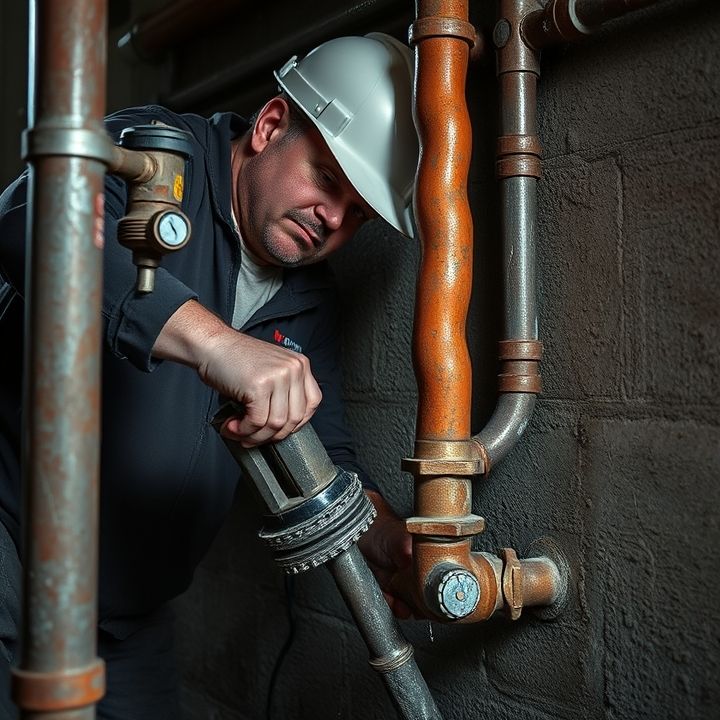
Unusual noises from pipes can be a significant indicator of potential plumbing issues that require immediate attention. Sounds such as banging, gurgling, or hissing can signal underlying problems like leaks or blockages.
When water flows through pipelines, it typically does so quietly. However, if you hear a loud bang when you turn off a faucet, this is known as ‘water hammer’, which results from a sudden change in water flow and may indicate the need for pressure adjustment or repairs.
Gurgling noises in drains often suggest that air is trapped in the pipes, which can be a sign of a blockage or improper venting. This can lead to water backing up in sinks and other fixtures.
Hissing or whistling noises may indicate a leak in the pipes, which can lead to water damage and increased utility bills if not addressed promptly.
Paying attention to these sounds can help homeowners identify potential issues early, allowing for timely repairs and maintenance.
Frequent clogs in drains leading to the need for plumbing drain cleaning
Frequent clogs in drains can be a significant warning sign of underlying plumbing issues. If you notice that your sinks, showers, or toilets are clogged regularly, it may be time to consider professional plumbing drain cleaning. These clogs can often be caused by a buildup of hair, soap, grease, or foreign objects in the pipes, leading to slower drainage and unpleasant odors.
In some cases, recurring clogs can indicate more serious problems, such as tree root infiltration or a damaged sewer line. Ignoring these signs can result in more severe blockages, water backups, and potential damage to your home’s plumbing system.
Regular drain cleaning not only helps to alleviate current issues but also prevents future problems. Investing in routine maintenance can improve the overall health of your plumbing, ensuring that your drains function efficiently. If clogs persist despite cleaning efforts, it is crucial to consult a licensed plumber who can diagnose and address the root cause of the issue.
Visible signs of water damage or mold growth around plumbing fixtures
Visible signs of water damage or mold growth around plumbing fixtures can be key indicators of underlying plumbing issues. Homeowners should be vigilant for discoloration on ceilings, walls, or floors, which often takes the form of yellow, brown, or dark spots. These stains can signify that water is leaking from pipes or fixtures, leading to more severe damage if left unaddressed.
Another important sign is the presence of mold, which typically appears as fuzzy patches of green, black, or white. Mold thrives in damp environments, and its presence indicates excess moisture that could be due to a plumbing leak.
Additionally, peeling paint or wallpaper near plumbing fixtures can also suggest water damage. This occurs when moisture seeps into walls and disrupts the integrity of finishes. Homeowners should inspect areas around sinks, toilets, and bathtubs carefully. Furthermore, a musty odor may also accompany these visual signs, indicating mold growth. Early detection of these issues can save homeowners from costly repairs and health risks associated with mold exposure.
Low water pressure suggesting potential plumbing issues
Low water pressure is often one of the first signs indicating potential plumbing issues in a home. When the water pressure drops, it can disrupt daily activities such as showering, washing dishes, or doing laundry. Typically, normal water pressure should allow for a strong, steady flow from faucets and showerheads. However, when this pressure diminishes, it can suggest several underlying problems.
One possible cause of low water pressure is a leak in the plumbing system. Even small leaks can significantly impact overall water pressure and lead to water waste. Additionally, clogged pipes due to mineral buildup or debris can restrict water flow, resulting in low pressure. This can commonly occur in older homes with aging pipes.
Another factor could be issues with the pressure regulator, which is responsible for maintaining consistent water pressure throughout the home. If this device malfunctions, it can lead to fluctuations in water pressure that can be bothersome and indicative of larger plumbing troubles. Therefore, recognizing the signs of low water pressure early can help prevent further damage and costly repairs.
Unpleasant odors indicating possible sewer gas leaks or clogs
Unpleasant odors in your home can be a significant indicator of plumbing issues, particularly those related to sewer gas leaks or clogs. Sewer gas, composed of various toxic gases from decomposing organic matter, can create a foul smell resembling rotten eggs or sulfur. If these odors are noticeable, it may suggest that there’s a blockage in your plumbing system, preventing proper drainage and allowing gas to escape into your living space.
Another warning sign could be if the smell intensifies in certain areas, particularly near drains, toilets, or in the basement. This may indicate a broken seal on a plumbing fixture or a cracked pipe, which requires immediate attention. Additionally, persistent odors could point to more serious issues like a sewage backup, which can pose health risks. It’s essential to address unpleasant smells promptly to prevent potential health hazards and costly repairs. Recognizing these signs early can help you mitigate the problem before it escalates further.
Increased water bills without change in usage pointing to hidden leaks
An unexpected increase in water bills can often indicate the presence of hidden leaks within your plumbing system. This situation becomes particularly concerning when there has been no noticeable change in your water usage habits. If your monthly bill spikes without any explanation, it’s crucial to investigate further.
Hidden leaks may occur in various areas such as behind walls, under floors, or even underground. These leaks can lead to significant water loss over time, impacting both your finances and the integrity of your home. Common signs of hidden leaks include damp spots on walls, ceilings, or floors, as well as mold or mildew growth. Additionally, you may notice a musty odor that suggests moisture accumulation in hidden areas.
If you suspect a hidden leak, it is advisable to conduct a thorough check of your plumbing system or consult with a professional plumber. They have the expertise and tools necessary to detect leaks that may not be visible to the naked eye, allowing for timely repairs and prevention of further damage.
Discoloration or rust in water suggesting plumbing pipe replacement might be necessary
Discoloration or rust in water is a common sign indicating that plumbing pipe replacement might be necessary. If you notice a brown or reddish tint in your water, it often signals that iron or rust is present, which may originate from aging pipes. Over time, metal pipes can corrode, leading to rust buildup that contaminates your water supply. This not only affects the aesthetic quality of your water but can also pose health risks if harmful substances are leached into it.
Another cause of discoloration may arise from sediment buildup within pipes, which can alter water color and clarity. If you experience this issue consistently, it’s crucial to address it promptly.
In some cases, discoloration might affect only hot or cold water; however, if both are impacted, the likelihood of needing a pipe replacement increases. Regular maintenance and prompt attention to these warning signs can help prevent more significant plumbing issues down the line.
Presence of water stains on ceilings or walls indicating possible slab leaks
The presence of water stains on ceilings or walls is a clear indication of a potential plumbing problem, particularly slab leaks. These stains often appear as discolored patches that can range from light yellow to dark brown, depending on the severity of the leak and the duration it has gone unnoticed. Slab leaks occur when water pipes running beneath the foundation of a home begin to leak, causing moisture to seep upward into the walls and ceilings. In many cases, these leaks can be silent, making it essential for homeowners to be vigilant about any signs of water damage.
Homeowners may also notice an increase in their water bill, which can accompany the visual signs of a leak. If left untreated, water stains can lead to more significant issues such as mold growth, structural damage, or compromised insulation. Spotting these stains early can help homeowners take immediate action to address the underlying issue, potentially saving both time and money in repairs.
Conclusion
In conclusion, recognizing the warning signs of plumbing problems is essential for every homeowner. If you encounter unusual noises, frequent clogs, signs of water damage, low water pressure, unpleasant odors, increased water bills, discoloration in your water, or visible water stains, it is crucial to act promptly. Addressing these issues early can prevent costly repairs and safeguard the integrity of your home. Ignoring these symptoms may lead to more severe complications, including extensive water damage and health hazards from mold growth. Therefore, if you suspect any plumbing issues, don’t hesitate to call for professional assistance. For reliable and expert plumbing services, call 573-555-2121 today and ensure your home’s plumbing system is functioning safely and efficiently.