Table of Contents
- Introduction
- Unusual odors, such as a rotten egg smell or sulfurous scent
- Frequent sewer backups or blockages in plumbing fixtures
- Gurgling sounds from drains or toilets
- Dull or wet spots on walls, ceilings, or floors
- Increased presence of pests, such as flies or rodents
- Nausea or other health symptoms among residents
- Discoloration around plumbing fixtures or drains
- Unexplained increases in utility bills
- Conclusion
- Frequently Asked Questions
Introduction
Imagine sitting in your home, enjoying a quiet evening, when suddenly an unmistakable foul odor starts to waft through the air. What you might think is just a minor inconvenience could actually signal a dangerous sewer gas leak lurking in your plumbing system. Sewer gas is not only unpleasant but can also pose serious health risks if not addressed promptly.
In this article, we will delve into the crucial signs that indicate a potential sewer gas leak, empowering you to take immediate action and protect your family. From unusual smells to unexpected health symptoms, being aware of these warning signals can make all the difference. Join us as we unmask the danger and help you recognize the red flags that shouldn’t be ignored. After all, your home should be a sanctuary, free from harmful gases that threaten your well-being.
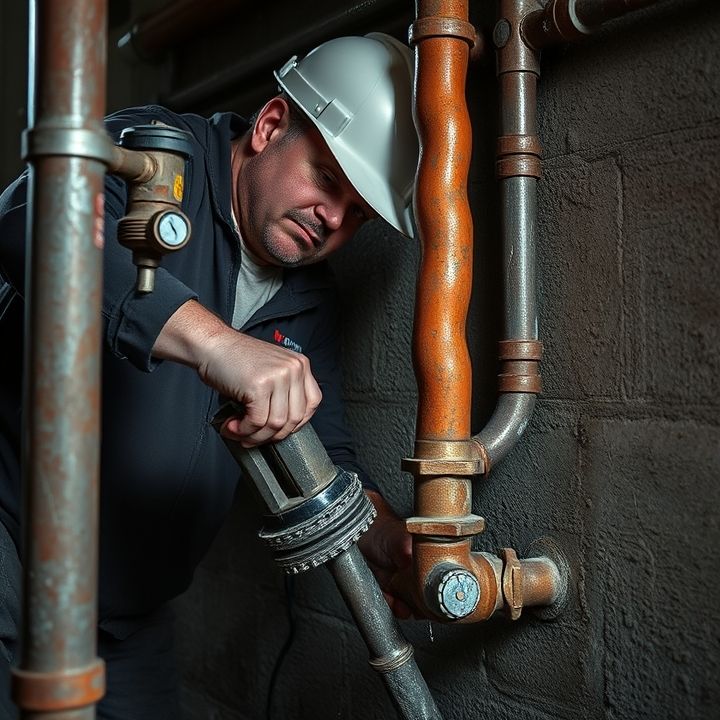
Unusual odors, such as a rotten egg smell or sulfurous scent
Unusual odors, particularly a rotten egg smell or a sulfurous scent, can be significant indicators of a sewer gas leak. These odors are often due to the presence of hydrogen sulfide, a gas that is both toxic and flammable. Normally, the odor is a result of bacteria breaking down organic matter in the sewer system. When there is a leak, this gas can escape into your home, leading to an uncomfortable and potentially hazardous environment.
Aside from the unpleasant smell, residents may also experience other signs of a leak, such as headaches, dizziness, or nausea, which can pose serious health risks.
It’s important to pay attention to any sudden and strong odors, especially if they are persistent. Identifying the source of the smell is crucial, as ignoring it can lead to more severe plumbing issues or health concerns. Regular maintenance of sewage systems can help minimize the risk of such leaks, but being vigilant about unusual odors is a key step in protecting your home and health.
Frequent sewer backups or blockages in plumbing fixtures
Frequent sewer backups or blockages in plumbing fixtures can serve as significant indicators of a sewage problem. When wastewater fails to flow freely through pipes, it may result from several issues, including clogged drains, tree root intrusion, or pipe damage. These backups can lead to unpleasant odors, unsanitary conditions, and potential health hazards. When multiple fixtures in a home, such as sinks, toilets, and bathtubs, experience problems simultaneously, it often points to a larger issue within the main sewer line.
Homeowners should pay close attention to the signs of slow drainage and recurring clogs, as these can be precursors to more serious sewer gas leaks. Additionally, unusual gurgling noises from the drains may indicate that air is becoming trapped in the plumbing system, often due to sewer line issues. If these incidents occur regularly, it’s essential to consult a professional plumber who can diagnose the root cause of the blockages and recommend appropriate solutions to ensure a properly functioning sewer system.
Gurgling sounds from drains or toilets
Gurgling sounds from drains or toilets can be one of the most noticeable signs of a sewer gas leak. These sounds often indicate that air is trapped in the plumbing system, which can cause water to back up or drain slowly. When wastewater moves through the pipes, it should flow smoothly; however, if there is a blockage or a break in the sewer line, the air may escape, creating a gurgling noise. This is particularly common when multiple fixtures are used simultaneously, such as flushing a toilet while running water in the sink.
Gurgling noises can also occur when there is insufficient venting in your plumbing system. Each plumbing fixture is connected to a vent that allows air to escape and prevents a vacuum from forming. If these vents are obstructed or damaged, it may lead to unusual sounds from your drains. While gurgling sounds can sometimes be innocuous, they may also signal a more serious plumbing issue that requires professional attention. Thus, it’s essential to monitor these sounds and investigate their cause to avoid potential hazards.
Dull or wet spots on walls, ceilings, or floors
Dull or wet spots on walls, ceilings, or floors can be a significant indicator of a sewer gas leak. These spots often appear due to moisture build-up, which can be a direct result of leaks from plumbing systems or faulty ventilation that allows sewer gases to infiltrate living spaces. The presence of such spots may suggest that sewer water is seeping into materials, causing discoloration and potential damage. In addition to being unsightly, these wet spots can lead to mold growth, presenting health risks to inhabitants.
It’s important to routinely inspect areas where plumbing is present, including bathrooms, kitchens, and basements, for these signs. If dull or wet areas are noticed, it may indicate a deeper issue that requires immediate attention. Homeowners should consider consulting a professional to assess the problem and determine the source of any leaks. Ignoring these signs can lead to more extensive repairs and health hazards, making timely intervention essential.
Increased presence of pests, such as flies or rodents
One of the noticeable signs of a sewer gas leak is the increased presence of pests, particularly flies and rodents. These creatures are generally attracted to the smell of decaying organic matter, which can be prevalent in areas affected by sewer issues. Flies, especially houseflies, thrive in environments where there is stagnant waste or decomposing materials, and their sudden appearance in small numbers can indicate a nearby problem. When sewer gas is present, it can create an inviting environment for these pests, making your home more appealing to them.
Rodents, including rats and mice, also tend to seek refuge in or near sewer lines. If they find an entry point, they may exploit it for access to food and shelter. Their droppings, gnaw marks, or even sightings can alert homeowners to a larger issue. Therefore, an uptick in pest activity should be taken seriously and investigated promptly, as it may suggest an underlying sewer problem that requires immediate attention.
Nausea or other health symptoms among residents
Nausea and other health symptoms among residents can serve as critical indicators of a sewer gas leak. These symptoms may manifest as a result of exposure to harmful gases like methane, hydrogen sulfide, and ammonia, which can be present in sewer systems.
Individuals may experience nausea, headaches, dizziness, and even respiratory issues, depending on the severity of the leak.
In particular, those with pre-existing health conditions, such as asthma or chronic obstructive pulmonary disease (COPD), may find their symptoms exacerbated in the presence of sewer gas.
Moreover, the odor associated with sewer gas—often described as rotten eggs—can also lead to discomfort and stress for residents, compounding the physical symptoms.
It’s essential for individuals experiencing these symptoms in tandem with unusual odors to investigate potential sources of sewer gas.
Prompt action can mitigate long-term health effects and ensure the safety and wellbeing of the affected residents.
Discoloration around plumbing fixtures or drains
Discoloration around plumbing fixtures or drains can signal a potential sewer gas leak and should not be overlooked. This discoloration often presents as dark stains or yellowing near sinks, toilets, or floor drains, which can indicate the presence of moisture or gas seeping through. When sewer gases escape through leaks, they can affect the surrounding areas, leading to unsightly marks or even damage to the surfaces.
Such discoloration might also stem from chemicals in the sewer gases reacting with the materials around the fixtures. Additionally, if you notice a persistent foul odor accompanying the discoloration, it further reinforces the possibility of a sewer gas issue. Ignoring these signs can lead to more severe plumbing problems and health risks due to exposure to harmful gases.
It’s crucial to investigate the source of the discoloration promptly. Homeowners should consider consulting a professional plumber to assess the situation and ensure that any necessary repairs are made to prevent further complications.
Unexplained increases in utility bills
Unexplained increases in utility bills can be one of the first signs of a sewer gas leak in your home. When plumbing systems are compromised, gases can escape from damaged pipes, resulting in higher consumption of water and gas. For instance, if you notice a sudden spike in your water bill without a corresponding increase in your usage, this could indicate that water is leaking somewhere, possibly in the sewer line.
Furthermore, when sewer gases are venting into your home, it can lead to increased energy use as your heating or cooling systems work harder to maintain ideal temperatures, further inflating your gas or electric bill. This unexpected rise in utility expenses is often overlooked, but it is a critical sign that invites attention. Monitoring your utility bills regularly can help track these anomalies, allowing for timely investigation and resolution of underlying issues, which could range from a simple leak to more serious plumbing problems. Understanding these signs can help homeowners take proactive steps to safeguard their property and ensure safe living conditions.
Conclusion
Recognizing the signs of a sewer gas leak is vital for maintaining a safe and healthy home environment. From unusual odors and gurgling sounds to increasing pest activity and unexplained utility bills, timely detection can prevent more significant plumbing issues and health risks. If you notice any of these warning signs, don’t hesitate to take action. Ignoring the symptoms can lead to unfortunate consequences that may affect both your property and your health.
For peace of mind and prompt plumbing assistance, contact a professional today. Our experts are ready to diagnose and resolve your sewer issues effectively. Call 573-555-2121 now to ensure the safety and comfort of your home.