Table of Contents
- Introduction
- Assessment of existing plumbing system
- Choosing the right materials for repiping
- Planning and scheduling the repiping process
- Executing the repiping installation
- Installing plumbing fixtures and valves
- Testing the new plumbing system for leaks
- Cleanup and restoration of affected areas
- Post-repair maintenance and plumbing service options
- Conclusion
- Frequently Asked Questions
Introduction
Are you facing persistent plumbing issues, or are your water bills mysteriously high? If so, it might be time to consider repiping your home. Repiping is not just a repair; it’s a comprehensive solution that can enhance your home’s plumbing system, improve water quality, and ensure long-term efficiency. But where do you start? This comprehensive guide will walk you through every step of the repiping process, from understanding when it’s needed to selecting the right materials and hiring the perfect professional for the job.
In this article, we will delve into the costs involved, so you can plan your budget effectively without unpleasant surprises. Additionally, we’ll share insider tips that can save you money and hassle along the way. Whether you’re a seasoned homeowner or a first-time buyer, this guide will equip you with the knowledge you need to make informed decisions. So, grab your tools—or just your coffee—and let’s dive into the world of repiping!
Assessment of existing plumbing system
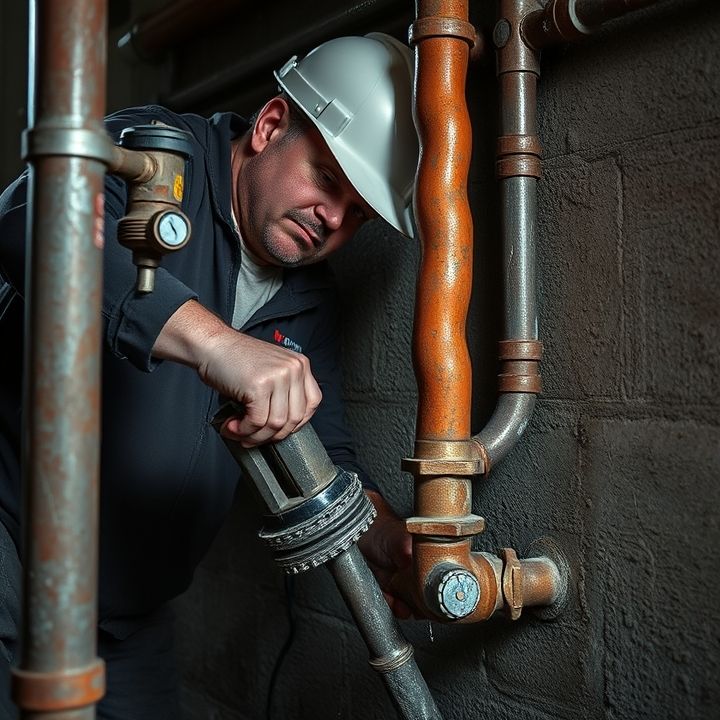
Assessing the existing plumbing system is a crucial first step in the repiping process. This assessment involves a thorough inspection of all visible and accessible pipes, fittings, and fixtures to identify any signs of wear, corrosion, or leakage. A licensed plumber typically conducts this evaluation, using specialized tools and techniques to determine the overall condition of the plumbing system.
During the assessment, the plumber will check for common issues such as rusting, scaling, or blockages that could impact the efficiency of the water flow. Additionally, they may use camera inspections to examine pipes hidden behind walls or underground, providing a comprehensive overview of the system’s health.
It is essential to consider the age of the pipes and the materials used, as older systems may be more prone to failures. Once the assessment is concluded, the plumber will provide recommendations that could include repiping options based on the condition of the existing system, ensuring that homeowners are well-informed to make the best decision for their plumbing needs.
Choosing the right materials for repiping
Choosing the right materials for repiping a house is a critical aspect of the process. Several options are available, each with its own benefits and potential drawbacks.
One of the most common materials is copper, known for its durability and resistance to corrosion. It is an excellent choice for both hot and cold water lines. However, copper can be more expensive than other materials.
PVC (polyvinyl chloride) is another popular option, especially for drain, waste, and vent lines. It is lightweight, easy to install, and resistant to corrosion, making it a budget-friendly alternative. However, PVC should not be used for hot water lines as it can warp under high temperatures.
PEX (cross-linked polyethylene) has gained popularity due to its flexibility and ease of installation. It can expand and contract with temperature fluctuations, reducing the risk of burst pipes. However, it is essential to check local building codes, as not all areas permit the use of PEX.
The choice of material will ultimately depend on the specific needs of the home, budget, and local regulations.
Planning and scheduling the repiping process
Planning and scheduling the repiping process is a crucial step to ensure a smooth and efficient project. Initially, homeowners should assess the current plumbing system to identify the extent of the issues. Engaging a licensed plumber for a thorough inspection will provide valuable insights into the necessary repairs or replacements. Once the scope is determined, it is essential to obtain multiple estimates from reputable contractors to compare costs and timelines.
After selecting a contractor, a detailed schedule should be established. This includes setting a start date, estimating the duration of the project, and planning for disruptions to daily routines. It is wise to communicate with all household members about the project timeline, especially since water service may be temporarily interrupted. Additionally, homeowners should make arrangements for their belongings, clearing spaces where repiping work will occur.
Lastly, obtaining any required permits before the work begins is vital to comply with local building codes. Proper planning and scheduling can mitigate stress and enhance the overall efficiency of the repiping process.
Executing the repiping installation
Executing the repiping installation in a house involves several crucial steps to ensure that the process is efficient and effective. First, a thorough inspection of the current plumbing system is conducted to identify the extent of the replacement needed. This includes locating existing pipes and determining the types of materials used. Once the assessment is complete, the next step is to prepare the work area, which may involve clearing furniture and other obstacles.
After preparation, it is important to safely shut off the water supply and drain the plumbing system. The existing pipes are then removed, taking care to minimize damage to walls and ceilings. New piping, typically made from materials like PEX or copper, is installed according to local building codes and regulations. It is essential to ensure that the new pipes are properly secured and placed to optimize water flow.
Finally, once the new piping is in place, the water supply is restored and the system is tested for leaks. Any necessary adjustments are made to ensure a durable and functional plumbing system that meets the household’s needs.
Installing plumbing fixtures and valves
Installing plumbing fixtures and valves is a crucial step in the process of repiping a house. Once the new piping is in place, it is essential to ensure that the fixtures, such as sinks, faucets, toilets, and showers, are properly connected.
First, it is important to check that all piping connections are securely fastened and leak-free before attaching any fixtures. Valves, including shut-off valves, should be installed to control water flow to different areas or appliances within the home.
When installing valves, it is vital to choose the right type for the specific application—ball valves are commonly used for their durability and ease of use.
Next, fixtures are typically installed according to the manufacturer’s instructions. This often involves aligning the fixture with the piping, securing it with appropriate brackets, and connecting the water supply lines.
After installation, it’s crucial to test each fixture for leaks and proper operation, ensuring that all plumbing elements function seamlessly together. Taking these steps will help create a reliable and efficient plumbing system for your home.
Testing the new plumbing system for leaks
Once the repiping process is complete, testing the new plumbing system for leaks is a critical step to ensure the integrity and functionality of your home’s water supply.
First, the plumber will pressure test the newly installed pipes. This involves isolating different sections of the system and introducing pressurized water or air to check for any drops in pressure. If the pressure remains stable, it indicates that the connections and joints are secure.
Next, a visual inspection will be conducted to identify any signs of moisture or water that may indicate a leak. Inspecting areas like joints, valves, and fittings is essential as these are common points where leaks can occur.
Additionally, running water through the system can help reveal leaks, as any dripping or pooling water will become apparent. Always monitor the system for a few days after testing, as some leaks may not be immediately noticeable. By thoroughly testing the new plumbing system, homeowners can ensure the reliability of their repiping project and prevent future issues.
Cleanup and restoration of affected areas
After completing the repiping process, the cleanup and restoration of affected areas are crucial steps in ensuring the home returns to its original condition. This involves removing debris such as old pipes, insulation, and any other materials disrupted during the repiping.
The first step is to inspect the areas for water damage, mold, or mildew, as these issues can arise from leaks before the repiping was done. Proper ventilation must be maintained while cleaning to prevent health risks.
Next, thorough cleaning should be conducted using appropriate cleaning solutions that can remove any stains or residue left behind. If drywall or flooring was damaged, repairs or replacements may be necessary to restore the aesthetic of the home.
Finally, it is important to address any lingering odors, which can be achieved through thorough air circulation and the use of air purifiers. Ensuring that all areas are restored to a safe and clean state not only enhances the home’s appearance but also improves overall health and safety.
Post-repair maintenance and plumbing service options
After repiping a house, post-repair maintenance is crucial to ensure the longevity and efficiency of the new plumbing system. Regular inspections can help identify any potential issues early on, such as leaks or signs of wear that may arise over time. Homeowners should schedule routine check-ups with a qualified plumbing professional, ideally annually, to maintain optimal function.
Additionally, homeowners may consider subscribing to a plumbing service plan. These plans often include routine maintenance, discounts on repairs, and priority service in emergencies. It’s a cost-effective way to ensure that the plumbing remains in good working order without the hassle of unexpected costs.
Furthermore, homeowners should also be mindful of their water quality and consider regular water testing, particularly after installation, to ensure there are no contaminants affecting their supply. This proactive approach to post-repair maintenance can help save money in the long run and ensure peace of mind.
Conclusion
In conclusion, repiping your home is a significant investment in the health and efficiency of your plumbing system. By understanding the steps involved, from the initial assessment to the final testing and cleanup, you can make informed decisions that best suit your needs. Remember to choose the right materials based on your specific situation and consult with licensed professionals to ensure the best results. Maintenance is key to longevity, so consider implementing a routine check-up schedule to prevent future issues. If you notice signs such as leaks, rust, or low water pressure, don’t wait until the problems escalate. Take action now for peace of mind and improved water quality. For expert plumbing assistance tailored to your home’s needs, contact us at 573-555-2121. Our team is ready to help with all your repiping and plumbing service needs!