Table of Contents
- Introduction
- Common causes of toilet clogs
- Tools and equipment used by plumbers
- Step-by-step process for unclogging toilets
- Chemical vs. mechanical methods of unclogging
- When to call a professional plumber
- Preventive measures to avoid future clogs
- Cost considerations for toilet unclogging services
- Importance of regular plumbing maintenance
- Conclusion
- Frequently Asked Questions
Introduction
Have you ever found yourself in the ominous position of a clogged toilet, staring helplessly at the swirling water and praying for a miracle?
Most of us have been there, but while we may panic, there exists a group of unsung heroes equipped with the skills and tools to tackle these watery dilemmas.
Plumbers are the masterminds behind the scenes, employing a blend of technical know-how and problem-solving prowess to restore order from chaos.
In this article, we delve deep into the intricate world of plumbing, uncovering the techniques and strategies that enable these professionals to expertly unclog toilets and tackle the most daunting blockages.
From the classic plunger to advanced hydro-jetting, the methods are as varied as the challenges they face.
Join us as we explore the art and science of toilet unclogging, revealing the secrets that transform plumbing nightmares into triumphs.

Common causes of toilet clogs
Clogged toilets can be a common household issue, and understanding their causes can help prevent them from occurring. One of the primary reasons for toilet clogs is the inappropriate disposal of items. Many people mistakenly flush things like paper towels, sanitary products, or excessive toilet paper, which are not designed to break down in water and can easily cause blockages.
Another common cause is the accumulation of mineral deposits and hard water in the toilet’s inlet holes and pipes. Over time, these deposits can significantly reduce water flow, leading to ineffective flushing and potential clogs.
Additionally, foreign objects can unintentionally get lodged in the toilet, especially in households with young children. Toys, toothbrushes, or other small items can create immediate blockages.
Lastly, an aging or malfunctioning toilet mechanism can contribute to clogging issues. Problems such as a faulty flapper or low water levels in the tank can prevent the toilet from flushing efficiently, increasing the likelihood of clogs.
Tools and equipment used by plumbers
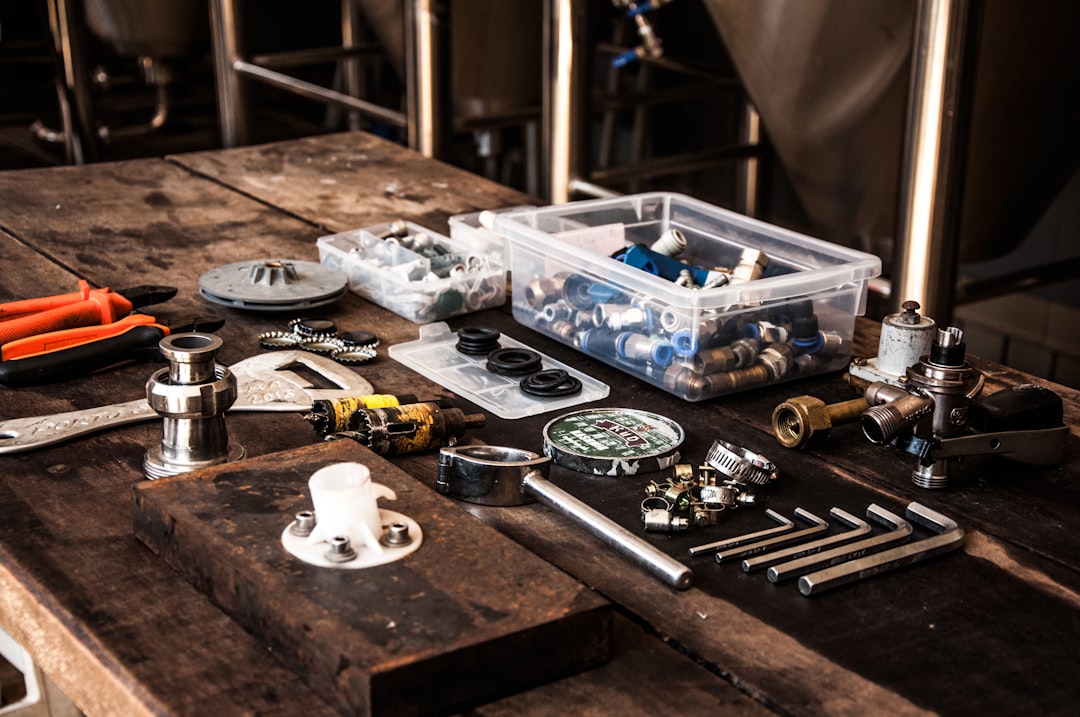
Plumbers utilize a variety of tools and equipment to effectively unclog toilets and perform other plumbing tasks. One of the most common tools is the plunger, which creates suction to dislodge clogs. Plumbers also use augers, or plumbing snakes, which are flexible tools that can reach deep into pipes to break up blockages. In addition, drain cleaning machines are often employed for tougher clogs, offering high-powered options to clear pipes.
Another essential tool is the pipe wrench, which provides a strong grip for tightening or loosening pipes and fittings. For more delicate tasks, plumbers may include slip joint pliers and channel lock pliers in their toolkit to grip and manipulate smaller components. Additionally, a plumber’s toolkit often contains a variety of screwdrivers, utility knives, and measuring tapes to assist with general repairs and installations.
Finally, safety equipment, such as gloves and goggles, are crucial for protecting plumbers while they work. Understanding the proper use of these tools and equipment allows plumbers to handle various challenges effectively and efficiently.
Step-by-step process for unclogging toilets
Unclogging a toilet is a common problem that can often be resolved with some basic tools and a step-by-step approach. First, gather your materials. You will need a plunger, a toilet auger, and rubber gloves.
Next, ensure the toilet bowl has enough water to cover the plunger. If it’s low, add water carefully.
Begin by using the plunger. Place it over the drain hole and push down firmly, creating a tight seal. Pump the plunger up and down vigorously for about 15-20 seconds. This action should help to dislodge the blockage.
If the plunger doesn’t work, consider using a toilet auger, which is designed for tougher clogs. Insert the auger into the toilet drain and twist the handle to break up the obstruction. Pull it back to remove any debris it captures.
Finally, flush the toilet to see if the clog has cleared. If the water drains normally, you’ve successfully unclogged the toilet. If not, it may be time to call a professional plumber for assistance.
Chemical vs. mechanical methods of unclogging
When it comes to unclogging toilets, plumbers commonly utilize two main approaches: chemical methods and mechanical methods.
Chemical methods involve the use of specific substances designed to dissolve clogs. These chemicals, often found in commercial drain cleaners, can effectively break down organic material, grease, and other debris that may be causing the blockage. However, while chemical solutions can be convenient, they often contain harsh ingredients that may damage pipes over time or pose health risks if not handled properly.
On the other hand, mechanical methods rely on physical tools to remove the obstruction. A plumber might use a plunger, which creates pressure to dislodge the clog, or a plumbing snake, a flexible auger that can reach deeper blockages. Mechanical methods are generally considered safer for the plumbing system, as they do not involve the use of corrosive chemicals.
Both methods have their advantages and disadvantages, and the choice often depends on the nature of the clog and the condition of the plumbing system.
When to call a professional plumber
Knowing when to call a professional plumber is crucial for maintaining your home’s plumbing system. If you encounter repeated clogs that traditional methods cannot clear, it may indicate a deeper issue within the plumbing lines. Similarly, if you notice water backing up in multiple drains simultaneously, this could signal a significant blockage further down the line.
Additionally, if your toilet is overflowing or leaking water onto the floor, immediate assistance is necessary to prevent water damage and potential mold growth.
In cases of strange noises, such as gurgling sounds from pipes or toilets, it’s advisable to consult a professional, as these can indicate air trapped in the system or a faulty vent.
Lastly, if you’re facing plumbing issues alongside recurring low water pressure or water discoloration, a professional’s expertise can help identify and resolve the underlying problems. Taking prompt action can save you money and prevent more extensive repairs down the line, ensuring your plumbing system functions effectively.
Preventive measures to avoid future clogs
Preventive measures to avoid future clogs in toilets are essential for maintaining a smoothly functioning plumbing system. One of the foremost steps is to ensure that only human waste and toilet paper are disposed of in the toilet. Items like wipes, feminine hygiene products, and dental floss can lead to blockages and should be discarded in the trash instead.
Regularly inspecting the toilet for small leaks or signs of wear can help identify potential issues before they become serious problems. Additionally, using a toilet brush to clean the bowl, particularly under the rim, can help prevent buildup.
Installing a toilet with a larger trap way can also minimize clogging. For households with children, educating them on what can or cannot be flushed is crucial. Implementing these preventive measures not only enhances the longevity of the toilet but also reduces the need for emergency plumbing services. Being proactive can save time, money, and frustration in the long run.
Cost considerations for toilet unclogging services
When considering toilet unclogging services, cost is a significant factor to bear in mind. Various elements influence the price of these services, including the severity of the clog, the type of service required, and the geographical location of the plumbing company.
Typically, a standard service call may range from $100 to $300, but this can increase if the clog is particularly challenging to resolve.
In cases where specialized tools, such as an auger or hydro-jetting equipment, are necessary, costs may rise significantly, potentially exceeding $500.
Moreover, additional fees may be applied for emergency services, which can be up to 50% more expensive than standard rates.
Homeowners should also consider potential add-ons such as camera inspections to diagnose underlying issues, which can further increase the total cost.
It’s advisable to request detailed estimates from multiple service providers to ensure competitive pricing while also assessing their experience and customer reviews to gauge the quality of service.
Importance of regular plumbing maintenance
Regular plumbing maintenance is essential for the longevity and efficiency of your plumbing system. Over time, wear and tear can lead to leaks, clogs, and more serious issues that may require costly repairs. By scheduling routine maintenance, homeowners can identify potential problems early on, allowing for timely interventions before they escalate into major headaches.
One important aspect of plumbing maintenance is drain cleaning, which helps prevent blockages from accumulating. This practice not only keeps the water flowing but also reduces unpleasant odors caused by stagnant water. Moreover, regular checks of pipes, faucets, and fixtures can reveal signs of corrosion or other damage, enabling proactive repairs that maintain the system’s integrity.
Additionally, consistent maintenance contributes to energy efficiency. For example, hot water heaters that receive regular servicing tend to operate more efficiently, which can save homeowners money on utility bills. In summary, regular plumbing maintenance should be viewed as an investment in home care, ensuring comfort and peace of mind while enhancing the overall value of the property.
Conclusion
In conclusion, understanding the intricacies of toilet clogs and the masterful techniques that plumbers employ to address them can save homeowners both time and stress. By familiarizing yourself with common causes, necessary tools, and effective methods—be it mechanical or chemical—you can better manage minor clogging issues. However, should problems persist or escalate, don’t hesitate to seek professional assistance. Calling a plumber isn’t just about unclogging a toilet; it’s about ensuring the health of your entire plumbing system. Regular maintenance, along with timely interventions, can prevent small issues from spiraling into costly repairs. Remember, your plumbing system deserves the best care. If you find yourself in need of expert assistance, call 573-555-2121 today for reliable plumbing solutions that will keep your home running smoothly.