Categories
sermons

Rejoicing in God’s Goodness: A Deep Dive into David’s Psalm of Thanksgiving in 1 Chronicles 16:8-36

Table of Contents

Introduction

In a world often overshadowed by uncertainty and despair, the timeless words of King David in 1 Chronicles 16:8-36 remind us of the profound power of gratitude and worship. This captivating psalm of thanksgiving beckons us to immerse ourselves in a tapestry of praise woven through Israel’s history, a celebration of God’s unfailing goodness.

As we explore this rich passage, we encounter David’s heartfelt call: ‘Give thanks to the Lord; call on His name; make His deeds known among the peoples.’ (1 Chronicles 16:8, CSB) Through his exultant words, David paints a vivid picture of God’s faithfulness—from the miraculous deliverance of His people to the blessings that flow from a heart attuned to divine grace.

Join us on this spiritual journey of discovery as we delve deep into the layers of meaning within this psalm. Uncover the transformative impact of rejoicing in God’s goodness and learn how these ancient verses can inspire a modern rhythm of gratitude in our lives today. Prepare to be uplifted and inspired; the beauty of worship awaits you!

Context of David’s Psalm: Historical Background of 1 Chronicles

The context of David’s Psalm of Thanksgiving, found in 1 Chronicles 16:8-36, is situated within a pivotal moment in Israel’s history. This period marks the establishment of Jerusalem as the political and spiritual center of the nation. After bringing the Ark of the Covenant to Jerusalem, King David sought to express his gratitude and reverence to God through a psalm, reflecting on the significance of the Ark in the life of Israel.

The historical background reveals that the Israelites had endured a tumultuous journey leading up to this event, including the challenges of wandering in the desert and experiencing cycles of disobedience and repentance. The psalm serves as a reminder of God’s steadfast love, faithfulness, and sovereignty over Israel. It was also a call for the people to remember their heritage and worship the God who had guided them through adversity.

This context not only enhances the understanding of David’s heartfelt praises but also emphasizes the communal aspect of thanking and praising God, encouraging future generations to recognize their identity and relationship with the divine.

Significance of Thanksgiving in Worship and Community

The significance of thanksgiving in worship and community is profound and multifaceted. In religious contexts, particularly in Judeo-Christian traditions, thanksgiving is an expression of gratitude towards God for His blessings and providence.
When individuals gather to give thanks, they create a sense of unity and shared purpose. This collective acknowledgment strengthens community ties and fosters a spirit of belonging among participants.
Thanksgiving serves not only as an act of worship but also as a reminder of the importance of humility and recognition of one’s blessings, paving the way for a deeper spiritual connection.
Furthermore, expressing gratitude in communal settings can enhance emotional well-being, as it encourages positive reflections and reinforces a hopeful outlook on life.
In this way, thanksgiving transcends mere words, becoming a vital part of the worship experience that nurtures both individual and communal identities, encouraging a lifestyle centered around appreciation and joy. Ultimately, it promotes a culture of gratitude, which can have lasting effects on relationships and community dynamics.

Expressions of Gratitude: Key Phrases and Themes in the Psalm

In 1 Chronicles 16:8-36, David’s Psalm of Thanksgiving serves as a profound expression of gratitude, illustrating key phrases and themes that resonate throughout the text. One prominent theme is the recognition of God’s majesty and strength, with phrases emphasizing His deeds and wonders. David encourages the people to proclaim His greatness and to share their testimonies of His faithfulness.
Another significant aspect is the call to worship, where David invites all creation to rejoice in the Lord and to offer thanks. The psalm reflects a deep sense of community, reminding the Israelites of their collective identity as God’s chosen people.
The repetition of phrases such as ‘Give thanks’ and ‘His love endures forever’ highlights the enduring nature of God’s covenant with His people, reinforcing the idea that gratitude should be an integral part of their lives.
Moreover, the psalm underscores the importance of remembering past deliverances and blessings, encouraging a posture of humility and continuous praise in response to God’s goodness.

The Call to Remember God’s Past Deeds and Promises

The passage in 1 Chronicles 16:8-36 serves as a poignant reminder of the importance of recalling God’s past deeds and promises. The psalm of thanksgiving, attributed to David, encourages the people of Israel to remember the great works that God has performed throughout their history. This call to remembrance is not merely an exercise in nostalgia; it serves as a foundational element of faith. By reflecting on the past, individuals can strengthen their trust in God’s continued presence and providence.
Remembering the miraculous deliverance from Egypt, the provision in the wilderness, and the establishment of the Israelite nation serves to reinforce God’s character as a faithful protector and provider.
Moreover, the psalm highlights the necessity of gratitude as a response to God’s faithfulness. Acknowledging what God has done fosters a spirit of thankfulness within the community and helps to cultivate a deeper relationship with Him. Through this act of remembrance, believers are empowered to live out their faith with confidence, knowing that the same God who was faithful in the past remains faithful today.

David’s Declaration of God’s Sovereignty and Power

David’s Psalm of Thanksgiving in 1 Chronicles 16:8-36 is a profound declaration of God’s sovereignty and power. In this psalm, David emphasizes the greatness of God, acknowledging His role as the Creator and sustainer of all things. He begins by calling upon the people to give thanks and to proclaim the mighty acts of the Lord, highlighting the importance of remembering God’s faithfulness throughout history.

Throughout the psalm, David recounts God’s covenant with Israel, proclaiming His mighty deeds and the wonders performed among the nations. He emphasizes that God is not only the God of Israel but also the sovereign ruler of the entire world. David encourages the people to worship the Lord in the splendor of His holiness and to tremble before Him, recognizing His unmatched power and majesty. This acknowledgment serves to strengthen the faith of the Israelites, reminding them of their identity as God’s chosen people. By celebrating God’s sovereignty, David inspires a collective response of gratitude, reverence, and trust in the Lord’s enduring presence and authority.

The Importance of Singing and Music in Worship

Singing and music play a vital role in worship, serving as expressions of faith, gratitude, and communal identity. In the context of 1 Chronicles 16:8-36, we see how David’s Psalm of Thanksgiving utilizes music to glorify God and recount His mighty deeds.

Music has the unique ability to reach the depths of our emotions, allowing worshippers to connect with the divine in a profound way. Songs often carry themes of hope, love, and redemption, making them powerful tools for reflection and encouragement within the faith community.

Additionally, congregational singing fosters unity among believers, creating a shared experience that transcends individual differences. It encourages participation and engagement, drawing everyone into the act of worship. The incorporation of instruments and melodies enhances the overall atmosphere, making worship more vibrant and memorable.

Ultimately, music serves as a channel through which believers can express their devotion, celebrate their faith, and inspire one another, reinforcing the importance of collective worship in the life of a community.

The Response of the People: Joy and Celebration in Community

The response of the people in 1 Chronicles 16:8-36 is marked by profound joy and community celebration, reflecting the powerful impact of King David’s Psalm of Thanksgiving. As the Ark of the Covenant was brought into Jerusalem, it symbolized not only God’s presence but also a significant spiritual milestone for the nation. The people rejoiced, singing and praising the Lord for His goodness and enduring mercy.

The collective response showcases the importance of community in worship, as individuals came together to express their gratitude and devotion. Instruments were played, and voices united in a symphony of praise, indicating that worship is not merely an individual act but a shared experience that strengthens communal bonds. This celebration acted as a reminder of their unity and collective identity as God’s chosen people.

The act of thanking God for His past deliverance and blessings paved the way for future hope, instilling a sense of purpose among the Israelites. Their joyful response was not just a spontaneous reaction but a deliberate affirmation of faith, emphasizing how moments of collective worship can foster a deeper sense of community and belonging.

Theological Insights: The Nature of God in Worship

The excerpt from 1 Chronicles 16:8-36 highlights profound theological insights into the nature of God as expressed through worship. In this passage, King David sings praises to the Lord, emphasizing His greatness, sovereignty, and steadfast love. Worship, in this context, is not merely a ritualistic act but a heartfelt response to God’s character and His mighty deeds.
Additionally, the psalm reflects the importance of gratitude in worship, as David recounts the history of Israel’s deliverance and God’s faithfulness. This act of remembering fosters a deeper awareness of God’s enduring presence and power, reinforcing the community’s relationship with Him.
The passage also illustrates that worship involves an invitation for all creation to join in glorifying God, indicating that His sovereignty extends beyond humanity to all realms of existence. This holistic view of worship calls individuals not only to express personal devotion but also to engage in a communal acknowledgment of God’s divine attributes.
Ultimately, the nature of God revealed in this worship is one of deep love and justice, urging believers to respond with reverence, joy, and gratitude.

Conclusion

In conclusion, David’s Psalm of Thanksgiving in 1 Chronicles 16:8-36 serves as a powerful reminder of God’s enduring goodness and faithfulness. As we reflect on this passage, let us embrace the profound truth that we are never alone. Christ is always with us, extending His arms of love and grace, ready to embrace us in our times of need. This psalm not only calls us to gratitude but also invites us into a deeper relationship with our Savior.

Therefore, I ask you, ‘What is God saying to you today?’ Is He calling you to remember His past faithfulness or urging you to respond in thanksgiving? More importantly, ‘What are you going to do about it?’ Let this be an opportunity to act on your faith, to worship Him with joy, and to share His goodness with others in your community. By living out our gratitude and recognizing His presence in our lives, we invite a culture of worship and thanksgiving that can transform not only our hearts but also those around us.

Frequently Asked Questions

What is the main theme of 1 Chronicles 16:8-36?

The main theme is a song of thanksgiving and praise to God, celebrating His goodness, faithfulness, and mighty acts in the history of Israel.

Who was the author of this Psalm of Thanksgiving?

The Psalm was written by David, as he appointed the Levites to lead worship and give thanks to God.

What specific actions of God does David mention in this passage?

David mentions God’s covenant with Israel, His deliverance from enemies, and His creation as reasons to give thanks and praise.

How does David instruct the people to respond to God’s greatness?

David instructs the people to sing, rejoice, and proclaim God’s deeds among the nations.

What does the passage reveal about corporate worship?

The passage emphasizes the importance of corporate worship, community gratitude, and declaring God’s greatness together.

Categories
plumbing

Essential Fixed Plumbing Services: Keeping Your Home Flowing Smoothly

Table of Contents

Introduction

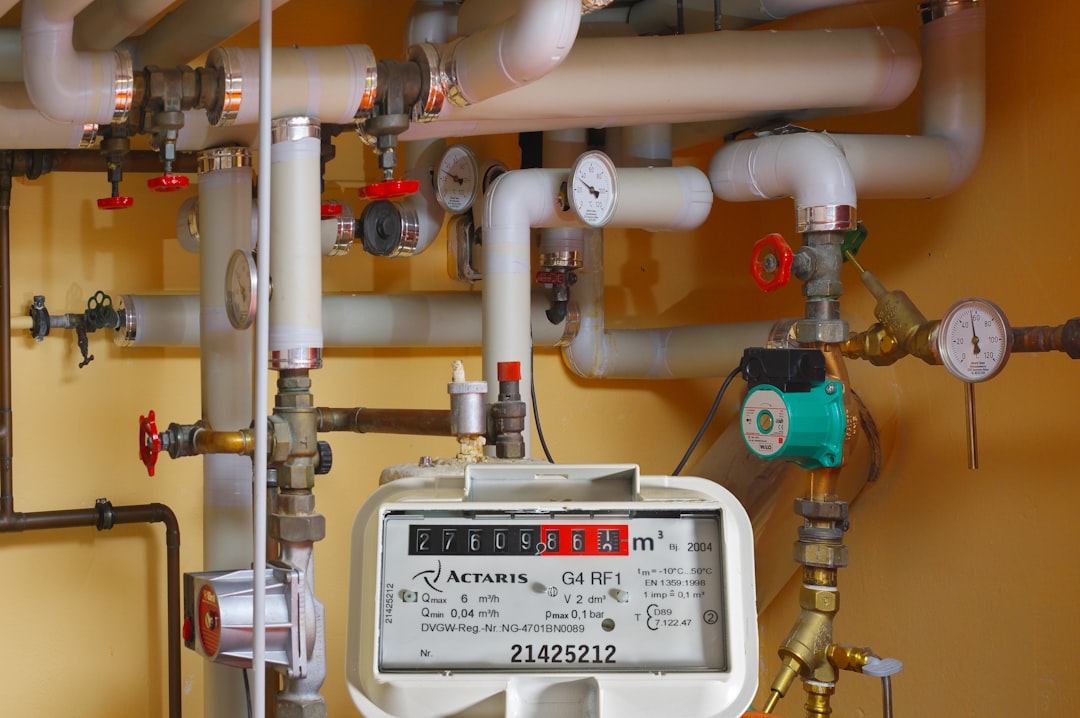
In the heart of every home lies a complex network of plumbing, often taken for granted until something goes awry. From the soothing sound of running water to the convenience of flushing toilets, the intricate systems we rely on daily keep our lives flowing smoothly. But what happens when these essential services fail? Issues like clogs, leaks, and malfunctioning fixtures can quickly turn a peaceful household into a chaotic scene of frustration.

Understanding the importance of fixed plumbing services is crucial for homeowners wishing to maintain a comfortable and efficient living space. These services encompass everything from routine inspections and maintenance to urgent repairs that can save you from costly damages. In this article, we will explore the critical plumbing services that every homeowner should prioritize, ensuring that water flow remains uninterrupted and worries are minimized.

Plumber repairing a sink in a modern kitchen

Overview of plumbing services offered

Fixed plumbing services encompass a wide range of offerings designed to address various plumbing issues in residential and commercial settings. These services typically include installations, repairs, and maintenance of plumbing systems. Common tasks performed by plumbing professionals include the installation of sinks, toilets, and bathtubs, as well as the repair of leaking pipes and faucets.

In addition, fixed plumbing services often extend to the inspection and cleaning of drains to prevent blockages. Plumbers may also provide services related to water heaters, ensuring they function efficiently and safely. Emergency plumbing services are also available for unexpected issues that require immediate attention, such as burst pipes or severe leaks.

Overall, reliable plumbing services are critical for maintaining the functionality and hygiene of a property. Regular maintenance can help prevent costly repairs and ensure that plumbing systems operate smoothly. Homeowners and business owners can benefit from knowing the various services available to effectively manage their plumbing needs.

Importance of plumbing pipe replacement

Plumbing pipe replacement is an essential aspect of maintaining a functional and safe household. Over time, pipes can deteriorate due to factors like corrosion, mineral buildup, and wear and tear from age. When pipes become compromised, they can lead to serious issues such as leaks, water damage, and even health risks from contaminated water.

One major reason for replacing old or damaged pipes is to improve water quality. Rusty or corroded pipes can introduce harmful substances into the water supply, making it unsafe for consumption. Additionally, leaking pipes can waste a significant amount of water, contributing to inflated utility bills and environmental concerns.

Another crucial factor is the prevention of costly repairs in the future. Addressing plumbing issues early can save homeowners from extensive property damage and emergency repairs. By investing in plumbing pipe replacement, homeowners not only ensure the comfort and safety of their living space but also enhance the overall value of their property. Regular inspections and maintenance can help identify when it’s time for a replacement, ensuring long-lasting performance.

Key aspects of plumbing fixture installation

Installing plumbing fixtures is a critical component of any plumbing project, whether it’s a new installation or a renovation. Several key aspects must be considered to ensure that the installation is successful and meets local codes.

First, proper measurements are essential. Before purchasing a new fixture, measure the space available and ensure it fits well with the surrounding area.

Next, selecting the right materials is crucial. Different fixtures may require specific types of connectors, pipes, or fittings. Using the correct materials helps avoid leaks and ensures longevity.

Another key aspect is the installation process itself. This may involve securing the fixture to the wall, connecting it to the plumbing lines, and checking for any leaks. It’s advisable to follow manufacturer instructions closely during this process.

Finally, ensuring that all fixtures are properly sealed and caulked is important to prevent water damage and mold growth. Professional installation can often provide peace of mind, knowing that everything is installed correctly and safely.

Common plumbing emergencies and their solutions

Plumbing emergencies can arise unexpectedly, often leading to significant damage if not addressed promptly. One common issue is a burst pipe, which can cause flooding and water damage. In such cases, turning off the main water supply and calling a plumber immediately is essential.

Another frequent emergency is a clogged drain, which can lead to wastewater backup. Homeowners can try using a plunger or drain snake to resolve minor clogs, but if the problem persists, professional help is needed.

Overflowing toilets are also common emergencies. If the toilet is overflowing, the first step is to turn off the water supply to the toilet to prevent further spillage. A plumber can assess the cause, whether it’s a clog or a malfunctioning float.

Lastly, water heater failures can be inconvenient, especially during colder months. If there’s no hot water, homeowners should check the thermostat settings. If the issue remains, it’s advisable to contact a plumber to handle repairs or replacements safely.

Benefits of regular plumbing maintenance and inspections

Regular plumbing maintenance and inspections offer numerous benefits that can help homeowners save time and money in the long run. One significant advantage is the early detection of potential issues, such as leaks or corrosion, which can be identified before they escalate into costly repairs. By scheduling routine inspections, plumbing professionals can ensure that all components of the system function properly, thereby enhancing overall efficiency.

Moreover, regular maintenance can prolong the lifespan of plumbing systems and fixtures, preventing premature replacements that can strain a household budget. It also helps in maintaining water quality, reducing the risk of contaminants from old or damaged pipes seeping into the water supply.

Additionally, well-maintained plumbing can improve water pressure, leading to better performance in daily tasks such as showering and washing. This proactive approach not only enhances comfort but also contributes to better resource management by reducing water waste.

Innovations in plumbing technology, including camera inspections and hydro jetting

Innovations in plumbing technology have revolutionized the way plumbing services are conducted, enhancing efficiency and effectiveness. One notable advancement is the use of camera inspections, which allow plumbers to visually assess the condition of pipes without invasive methods. This technology involves inserting a small camera into the plumbing system to provide real-time footage, helping to identify blockages, leaks, or structural issues.

Another significant innovation is hydro jetting, a powerful method used to clean and clear clogged pipes. This technique utilizes high-pressure water streams to remove debris, grease, and sediment buildup, restoring the pipes’ flow capabilities. Hydro jetting is not only effective in clearing blockages but also preventative, as it can help maintain the integrity of the plumbing system.

These advancements in plumbing technology allow for more precise diagnostics and excellent results, ultimately leading to improved service for residential and commercial properties alike. With the implementation of these modern methods, plumbing professionals can tackle complex issues efficiently, minimizing repair times and costs.

Cost considerations for different plumbing services

When considering fixed plumbing services, it is essential to account for various cost factors that may influence the overall expense.
One significant consideration is the type of service required, as different plumbing issues demand varying levels of expertise and labor. For instance, routine maintenance, such as drain cleaning, is generally less costly compared to complex repairs like pipe replacement or fixture installation.
Additionally, the materials utilized play a crucial role in pricing, with high-quality materials often leading to higher costs but potentially offering better durability.
Labor costs can also vary, depending on the plumber’s experience and geographic location; urban areas may exhibit higher rates compared to rural settings.
Lastly, emergency plumbing services usually come at a premium, particularly outside regular business hours, and this should be factored into your budget planning.
Taking all these aspects into account will help homeowners make informed decisions when hiring plumbing services.

Understanding plumbing codes and compliance for installations

Understanding plumbing codes and compliance for installations is crucial for ensuring the safety, efficiency, and legality of plumbing systems. Plumbing codes are a set of regulations that dictate how plumbing systems should be designed, installed, and maintained. These codes are developed to protect public health and safety, prevent water contamination, and ensure proper waste disposal.
Compliance with these codes is not just a recommendation; it is a legal requirement in most jurisdictions. Plumbing professionals must be well-versed in local codes, as they can vary widely between regions. From the selection of materials to the layout of pipes, every aspect of a plumbing installation may be subject to inspection and approval by local authorities.
Failure to adhere to plumbing codes can lead to serious consequences, including fines, legal action, and the need for costly repairs. Therefore, working with licensed plumbing professionals who understand these regulations is essential for homeowners and businesses alike. By prioritizing code compliance, property owners can ensure their plumbing systems are safe, durable, and efficient.

Conclusion

In conclusion, maintaining a well-functioning plumbing system is essential for the comfort and safety of your home. From regular inspections to emergency repairs, understanding the various fixed plumbing services available helps homeowners proactively manage their plumbing needs. By investing in services like pipe replacements, fixture installations, and routine maintenance, you can prevent costly issues and ensure a smooth flow of water throughout your property. Innovations in plumbing technology, such as camera inspections and hydro jetting, further enhance the way plumbing services are provided, making them more efficient and effective. Don’t wait until a minor issue becomes a major problem; it is crucial to be proactive about your plumbing. For reliable assistance and professional plumbing solutions tailored to your needs, call 573-555-2121 today! Your plumbing issues deserve immediate attention, and we’re here to help ensure that your home continues to flow smoothly.

Frequently Asked Questions

What are fixed plumbing services?

Fixed plumbing services refer to the permanent installation, repair, and maintenance of plumbing systems, including pipes, fixtures, and appliances.

How do I know if I need fixed plumbing services?

You may need fixed plumbing services if you experience persistent leaks, low water pressure, or issues with drainage that cannot be resolved through simple maintenance.

What types of issues can fixed plumbing services address?

They can address issues such as burst pipes, clogged drains, broken fixtures, water heater problems, and any necessary system upgrades.

Are fixed plumbing services covered by home insurance?

Coverage for fixed plumbing services can vary by policy, so it is best to consult with your insurance provider to understand what is included.

How frequently should I schedule fixed plumbing services?

It is advisable to schedule maintenance at least once a year to ensure your plumbing system is functioning efficiently and to catch potential issues early.

Categories
Email Marketing

Unlock the Secret Formula: How to Skyrocket Your Email Marketing with Automation and Drip Campaigns!

Table of Contents

Introduction

Imagine propelling your email marketing strategy into the stratosphere, leaving your competition in awe. Ready to unlock the mystery behind this meteoric rise? Our article unveils the secret formula to harness the power of automation and drip campaigns, transforming your email marketing from ordinary to extraordinary. As businesses tap into the digital realm, understanding the fine art of these strategies is no longer optional—it’s essential.

Email Follow-Up Sequence Creation

Picture a machine working tirelessly around the clock, delivering precisely crafted messages to your audience at just the right moment. That’s the magic of email automation, and when combined with well-planned drip campaigns, it becomes a powerful tool in guiding your subscribers through a seamless customer journey. Discover insights that can redefine your email marketing landscape.

Features Benefits
Automation 24/7 Engagement
Drip Campaigns Nurture Leads Effectively
Personalization Boosted Engagement

Unroll the scroll as we dissect the strategies that can elevate your email marketing game, enriching both your business and your inbox results.

Understanding the Basics: What Are Email Automation and Drip Campaigns?

Email automation and drip campaigns are integral parts of modern digital marketing strategies. Understanding these concepts is crucial for businesses looking to enhance their customer engagement and conversion rates.

Email automation refers to the use of software to send emails automatically, based on predefined triggers and schedules. This technology allows marketers to send timely, relevant, and personalized messages to subscribers, thereby increasing efficiency and maintaining consistent communication without manual intervention.

A drip campaign, on the other hand, is a type of email marketing strategy that involves sending a series of automated emails to recipients over a set period of time. These emails are scheduled to go out sequentially and are often targeted based on user actions or specific timelines. Drip campaigns are effective in nurturing leads, educating subscribers, and encouraging engagement by delivering the right information at the right time.

Understanding the basics of email automation and drip campaigns helps businesses automate routine marketing tasks, maintain ongoing communication with their audience, and nurture leads systematically. These tools not only streamline marketing efforts but also improve customer relations by providing tailored content to each recipient.

Setting and Aligning Campaign Goals with Business Objectives

Setting and aligning campaign goals with business objectives is a crucial aspect of leveraging automation and drip campaigns in email marketing. To begin, it’s essential to clearly define what you hope to achieve through your email marketing efforts. Goals can vary, from increasing brand awareness and engagement to driving sales or nurturing leads. Importantly, these goals should be Specific, Measurable, Achievable, Relevant, and Time-bound (SMART).
Once goals are established, aligning them with broader business objectives ensures that your email marketing strategy supports overall company growth. This alignment involves understanding the organization’s key performance indicators (KPIs) and ensuring your campaign’s metrics contribute to these targets. For example, if a business objective is to increase revenue by 20%, an email campaign might focus on promoting top-selling products or upselling to existing customers.
Moreover, collaboration with other departments, such as sales and customer service, can provide valuable insights into customer needs and behaviors, enabling more tailored and effective campaigns. By setting clearly defined goals and aligning them with business objectives, you create a cohesive strategy that enhances the effectiveness of your email marketing efforts, ultimately driving growth and achieving desired outcomes.

Segmenting Your Audience for Targeted Messaging

Segmenting your audience is crucial for creating targeted messaging in email marketing. By dividing your subscribers into specific groups based on distinct characteristics or behaviors, you can tailor your content to meet their individual needs and preferences. This approach not only increases engagement rates but also enhances conversion efforts, as recipients receive messages that are more relevant to their interests.

Effective segmentation often involves categorizing your contacts based on demographic information such as age, gender, or location. Additionally, considering their past interactions with your brand, including purchase history or email open rates, allows for even more refined targeting. Advanced segmentation can also factor in behavioral indicators like browsing patterns or engagement with specific email campaigns.

To leverage this tactic effectively, use email marketing platforms that offer robust segmentation tools. These platforms allow you to create and manage different audience segments easily and provide insights into their performance. As a result, you can continuously refine your strategies to ensure each segment receives the most impactful content. In summary, audience segmentation not only personalizes the email experience but also drives better results for your marketing campaigns.

Crafting Compelling and Personalized Email Content

Crafting compelling and personalized email content is a crucial aspect of successful email marketing strategies. To truly engage with your audience, it’s important to create messages that resonate on a personal level. Start by segmenting your email list based on factors like demographics, past purchase behavior, or engagement history. This allows you to tailor your content to specific groups, making it more relevant and engaging.

Next, focus on writing captivating subject lines that draw recipients in and spark curiosity. Your content should deliver on the promises made in the subject line, offering value, insights, or solutions to the recipient’s needs. Personalization goes beyond just using the recipient’s name; it involves understanding their preferences and pain points, then addressing them through the email content.

Utilize dynamic content to adjust messaging based on recipient data, and incorporate A/B testing to determine which content types and formats perform best. Employ storytelling techniques to create a narrative that captures attention and encourages action. Remember, your emails should not only inform but also nurture the relationship between the brand and the customer, leading to stronger loyalty and increased conversions.

Setting Up Triggers and Timing for Maximum Engagement

When it comes to setting up triggers and timing for your email marketing campaigns, precision and personalization are key. Start by identifying the customer actions that can serve as triggers for your automated emails. These can include events such as sign-ups, cart abandonment, or specific website activity. The goal is to send the right message at the right time, which requires a clear understanding of your audience’s behavior and preferences.

Once you have established the triggers, it’s crucial to focus on timing. Sending emails too soon may come off as intrusive, while waiting too long might result in missed opportunities for engagement. Analyze past campaign data to identify the optimal times for sending emails. Align your timing strategy with your audience’s time zones and engagement patterns for maximum impact.

Additionally, consider incorporating A/B testing to determine which timing schedules yield the highest open and click-through rates. This will help you fine-tune your approach and ensure that your drip campaigns lead to increased engagement and conversions. By carefully setting up triggers and adjusting the timing of your emails, you can create a more dynamic and responsive email marketing strategy that resonates with your audience.

Conclusion

In conclusion, harnessing the power of email automation and drip campaigns can significantly enhance your marketing outcomes. By leveraging these tools, businesses can streamline their communication processes and provide more personalized, timely content to their audiences. The key to success lies in understanding the fundamental concepts of email automation, setting clear campaign goals aligned with business objectives, and effectively segmenting your audience for targeted messaging. Furthermore, crafting compelling and personalized email content ensures that you engage the right audience while setting up precise triggers and timing maximizes engagement. To achieve the best results, embracing advanced automation tools and analytics will allow you to continuously refine and optimize your strategies, ultimately driving deeper customer relationships and achieving better conversion rates. Embrace these tactics and watch your email marketing efforts skyrocket, turning potential leads into loyal customers with ease.

Frequently Asked Questions

What is the role of automation in email marketing?

Automation in email marketing helps streamline the process of sending timely and personalized emails based on specific triggers or user actions, increasing efficiency and engagement.

How do drip campaigns differ from traditional email campaigns?

Drip campaigns consist of a series of automated emails sent based on a user’s specific actions or timelines, whereas traditional email campaigns are typically one-time sends to everyone.

What are the benefits of using drip campaigns?

Drip campaigns nurture leads by delivering the right content at the right time, improving engagement, conversion rates, and customer retention.

How can personalization enhance automated email campaigns?

Personalization makes emails more relevant to recipients by using data such as name, preferences, and past interactions, leading to higher open and click-through rates.

What tools can assist in creating effective automated and drip campaigns?

Email marketing platforms like Mailchimp, ActiveCampaign, and HubSpot offer automation and drip campaign features that can be tailored to specific marketing goals.