Table of Contents
- Introduction
- Regular inspection of plumbing fixtures
- Techniques for plumbing leak detection
- Steps for plumbing drain cleaning
- Maintenance of water heater and signs of failure
- Understanding plumbing code compliance and repairs
- Planning for plumbing emergencies and service needs
- Options for plumbing pipe replacement and repiping services
- Importance of professional plumbing consultation and tips
- Conclusion
- Frequently Asked Questions
Introduction
Every homeowner knows that plumbing issues can turn into a homeowner’s worst nightmare if not addressed promptly. From drippy faucets to stubborn clogs, the smallest problem can escalate into a significant expense. Yet, maintaining a healthy and efficient plumbing system doesn’t have to be daunting! With the right knowledge and preventive measures, you can keep your pipes flowing smoothly and your home worry-free.
In this article, we’ll explore essential tips that will empower you to take charge of your plumbing maintenance. Discover simple yet effective practices to prevent leaks, maintain water pressure, and even choose the right fixtures. By implementing these straightforward strategies, you not only ensure the longevity of your plumbing system but also contribute to a more sustainable household.
Ready to dive in? Let’s unlock the secrets to a well-functioning plumbing system, ensuring your home remains a haven of comfort and efficiency!
Regular inspection of plumbing fixtures
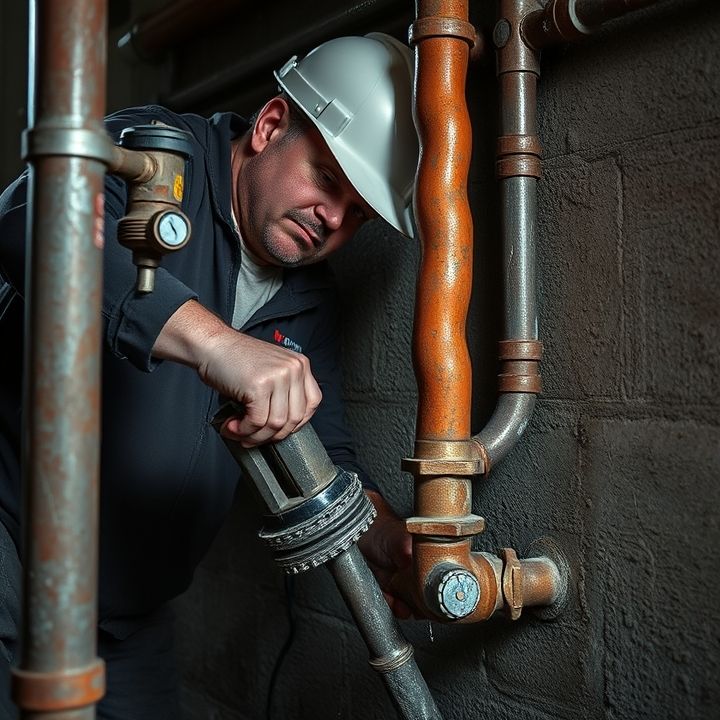
Regular inspection of plumbing fixtures is crucial for maintaining a healthy plumbing system in your home. This process involves routinely checking faucets, toilets, showerheads, and pipes for leaks, corrosion, and signs of wear. Undetected leaks can lead to significant water damage over time and increase your water bill. By performing regular inspections, you can identify and address minor issues before they escalate into expensive repairs.
Start by visually examining fixtures for any visible signs of leaks or damage. Look for water stains, drips, or pooling water around plumbing fixtures. Additionally, listen for unusual sounds such as dripping, hissing, or gurgling that may indicate an underlying problem. Don’t forget to check the water pressure, as high pressure can stress pipes and lead to failure.
It is also essential to be aware of the age of your plumbing fixtures. Older fixtures may need replacement or upgrading to more efficient models, which not only conserve water but can also enhance overall performance. Regular inspections can help you stay proactive and ensure the longevity of your home’s plumbing system.
Techniques for plumbing leak detection
Detecting leaks in your plumbing system is crucial to prevent water damage and maintain efficiency. One effective technique is to visually inspect pipes for any signs of corrosion or moisture buildup. Pay close attention to joints and fittings, where leaks are commonly found.
Another approach is to conduct a water meter test. Turn off all faucets and appliances using water, then check the water meter. If the meter continues to run, a leak is likely present.
Utilizing sound can also be an effective method; listen for unusual sounds like hissing or dripping, which may indicate a leak.
For more advanced detection, moisture meters and thermal imaging cameras can be employed. Moisture meters provide precise readings of dampness in walls and floors, enabling you to identify hidden leaks, while thermal imaging can reveal cold spots where water may be pooling unseen.
Lastly, professional leak detection services offer specialized tools and expertise to find leaks with minimal intrusion.
Steps for plumbing drain cleaning
Maintaining your plumbing drains is essential for preventing clogs and ensuring the smooth operation of your plumbing system. Here are some effective steps for plumbing drain cleaning. First, regularly use a natural cleaner, such as a mixture of baking soda and vinegar, to help break down buildup in your pipes. Pour half a cup of baking soda followed by half a cup of vinegar down the drain, and let it sit for about 30 minutes before flushing it with hot water.
Second, install drain strainers in your sinks and tubs to catch hair and debris, preventing them from entering your plumbing system. Clean these strainers regularly to ensure their effectiveness.
Third, avoid pouring grease or oil down the drain as they can solidify and cause blockages. Instead, collect them in a container and dispose of them properly.
Lastly, consider scheduling professional plumbing inspections every few years to identify and address potential issues before they become major problems. Regular maintenance will prolong the life of your plumbing system and keep your home running smoothly.
Maintenance of water heater and signs of failure
Maintaining your water heater is crucial for ensuring it operates efficiently and has a long lifespan. Regular inspections should be part of this maintenance routine. It is advisable to flush the tank at least once a year to remove sediment buildup, which can hinder performance and efficiency. Additionally, checking the temperature setting is important; ideally, it should be set to 120 degrees Fahrenheit to prevent scalding and reduce energy bills.
Look out for signs of failure, such as strange noises coming from the unit, which may indicate sediment buildup or other issues. Persistent leaks or puddles around the base of the unit signal a more serious problem that needs immediate attention. Fluctuations in water temperature, such as experiencing lukewarm water when expecting hot, can also point to a failing element. It is essential to address these signs promptly to avoid more significant damage and ensure a consistent supply of hot water.
Understanding plumbing code compliance and repairs
Understanding plumbing code compliance is crucial for maintaining your home’s plumbing system. These codes are set by local governments to ensure that plumbing systems are safe, efficient, and environmentally friendly. They provide guidelines on the installation, repair, and maintenance of plumbing fixtures and pipes. Compliance with these codes not only helps in avoiding costly repairs and fines but also ensures the health and safety of the residents.
When undertaking plumbing repairs, it is essential to familiarize yourself with the relevant codes in your area. This may include specific requirements for materials used, how pipes should be installed, and the proper methods for connecting to municipal sewage systems. Additionally, hiring a licensed plumber can often make the process easier, as these professionals are trained and experienced in code compliance.
Regularly inspecting your plumbing for signs of wear and tear can also help you stay compliant with plumbing codes, potentially avoiding major repairs down the line. For the best outcomes, ensure that any repairs are documented and comply with local regulations.
Planning for plumbing emergencies and service needs
Planning for plumbing emergencies and service needs is crucial for every homeowner. Being proactive can save you time, money, and stress during a plumbing crisis. First, familiarize yourself with your home’s plumbing system, including the location of shut-off valves for the water supply. Knowing how to quickly turn off the water can prevent extensive damage in case of a leak or burst pipe.
Next, create a list of trusted local plumbers and service providers. Look for licensed and insured professionals with positive reviews to ensure quality work when needed. Keep their contact information in an easily accessible place.
Additionally, consider scheduling regular plumbing maintenance checks. These inspections can identify potential issues before they escalate into emergencies. During these visits, plumbers can also provide you with tips on keeping your system in top shape.
Finally, invest in basic plumbing tools and common replacement parts, such as washers and plungers, so you can handle minor issues yourself. Preparation is key to effectively managing plumbing emergencies and ensuring your system functions smoothly.
Options for plumbing pipe replacement and repiping services
When considering plumbing pipe replacement and repiping services, several options are available to homeowners.
One common option is to use copper pipes, which are known for their durability and resistance to corrosion. Copper is a reliable choice for both hot and cold water lines, offering longevity in plumbing systems.
Another popular material is PEX (cross-linked polyethylene) piping. PEX is flexible, easy to install, and resistant to scale and chlorine, making it a favorable choice for many modern homes.
For those on a budget, PVC (polyvinyl chloride) pipes can be a cost-effective solution, particularly for drainage, waste, and vent systems. However, they are not suitable for hot water lines.
Additionally, homeowners may consider using CPVC (chlorinated polyvinyl chloride) pipes, which can withstand higher temperatures and are often utilized in hot water applications.
Ultimately, the choice of material should be based on factors such as water quality, budget, and the specific needs of the home’s plumbing system.
Importance of professional plumbing consultation and tips
Maintaining your home’s plumbing system is crucial for ensuring a functional and hassle-free living environment. While many homeowners may attempt DIY repairs, the importance of professional plumbing consultation cannot be overstated. Professional plumbers possess the expertise and experience necessary to identify underlying issues that may not be immediately apparent. They can also provide valuable tips on maintaining your plumbing system, such as regular inspections and the use of proper fixtures and materials.
Additionally, a professional can guide you on how to handle specific plumbing problems, such as clogs or leaks, ensuring that they are resolved effectively and preventing further damage. It is also advisable to schedule routine maintenance, which can help to extend the lifespan of your plumbing system and save you money in the long run. Lastly, having a trusted plumber on call gives you peace of mind, knowing that any plumbing emergencies can be addressed swiftly and efficiently.
Conclusion
In conclusion, maintaining a healthy and efficient plumbing system in your home is essential for preventing costly repairs and ensuring your comfort. By following the essential tips outlined in this article, such as regular inspections, timely leak detection, and proper drain cleaning, you can safeguard your plumbing system from the common pitfalls that homeowners face. Additionally, being proactive about water heater maintenance, understanding plumbing codes, and planning for emergencies will empower you to take control of your home’s plumbing needs. Remember, the expertise of professional plumbers can be invaluable in identifying issues early and providing guidance for ongoing maintenance. Don’t hesitate to call 573-555-2121 for reliable plumbing assistance—our experts are ready to help you keep your plumbing system in top shape and ensure peace of mind for you and your family.