Table of Contents
- Introduction
- Assessing the need for sewer line replacement
- Scheduling a plumbing inspection with certified plumbers
- Conducting a plumbing camera inspection to diagnose issues
- Obtaining necessary permits for plumbing work
- Excavating the area to access the sewer line
- Removing the old sewer line and assessing plumbing repairs
- Installing the new sewer line and ensuring plumbing code compliance
- Conducting final inspections and restoring the area
- Conclusion
- Frequently Asked Questions
Introduction
When sewer troubles arise, the thought of replacing a sewer line can feel overwhelming. However, understanding the complexities and nuances of the process is crucial for every homeowner. Whether you’re facing frequent backups, foul odors, or soggy patches in your yard, a damaged sewer line is not just an inconvenience; it’s a call to action.
In this guide, we will walk you through the step-by-step process of replacing your sewer line, transforming what seems like an insurmountable task into a manageable reality. With the right knowledge and preparation, you can tackle this essential home repair with confidence, ensuring your plumbing system runs smoothly for years to come.
Ready to embark on this journey? Let’s dive into the depths of sewer line replacement and empower you with the skills needed to restore your home’s plumbing to peak performance!
Assessing the need for sewer line replacement
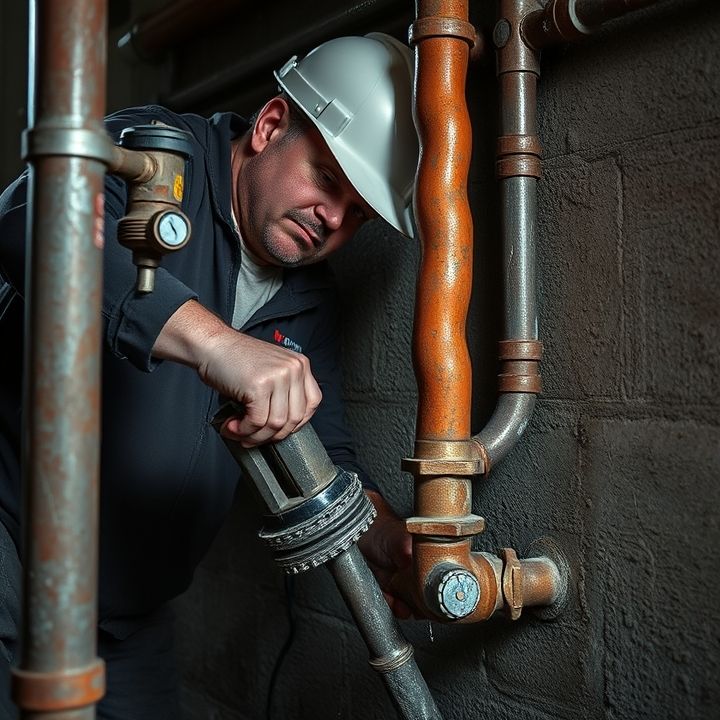
Assessing the need for sewer line replacement is a critical step for homeowners facing drainage issues. Signs that may indicate a failing sewer line include persistent clogs, slow drains, and unusual odors in or around the home. Additionally, homeowners should be alert to wet patches in the yard, especially if they are not due to rainfall, as these may signify a leak in the sewer line.
To accurately assess the condition of the sewer line, a professional inspection is often recommended. This typically involves the use of a camera that can traverse the pipe and provide a clear view of its interior. Tree root intrusion, cracks, and significant corrosion are common problems that can necessitate replacement.
Another factor to consider is the age of the existing sewer line. Older materials, such as clay or cast iron, may be more prone to failure. Regular maintenance can prolong the lifespan of the sewer line, but at some point, replacement may be the most viable option. Consulting with a licensed plumber can help homeowners make informed decisions regarding their sewer infrastructure.
Scheduling a plumbing inspection with certified plumbers
Scheduling a plumbing inspection with certified plumbers is a crucial step in maintaining the health of your sewer line.
When planning an inspection, it’s important to research local plumbing services to find licensed professionals with experience in sewer line assessments.
Many plumbing companies offer free estimates and can provide insights into what the inspection entails.
Once you have selected a certified plumber, contact them to discuss the symptoms you’ve noticed, such as slow drainage or unusual odors, as these can inform their inspection approach.
Be prepared to provide access to your property, especially areas where the sewer line may be located.
Typically, certified plumbers will use specialized equipment, such as video cameras, to thoroughly inspect the sewer line for blockages, leaks, or damage.
After the inspection, the plumber will provide a detailed report outlining any issues identified and recommend necessary repairs or replacements.
Scheduling regular plumbing inspections can help prevent major issues in the future and ensure your sewer line operates efficiently.
Conducting a plumbing camera inspection to diagnose issues
Conducting a plumbing camera inspection is a critical step in diagnosing sewer line issues. This advanced technique involves using a specialized waterproof camera attached to a flexible tube, which is inserted into the sewer line. The camera provides real-time live feed images of the interior of the pipes, allowing plumbers to identify blockages, cracks, and other possible problems without invasive digging.
During the inspection, the camera captures detailed footage of the pipe’s condition, which can then be analyzed to determine the best course of action for repairs or replacements. Common issues detected by the camera include tree root intrusion, corrosion, and the build-up of grease or debris.
By utilizing this technology, homeowners and plumbing professionals can save time and money, as it minimizes the need for exploratory digging and helps pinpoint the exact location and nature of the problem. This proactive approach ensures that sewer line issues are addressed efficiently and effectively, ultimately extending the lifespan of the plumbing system and reducing the risk of future complications.
Obtaining necessary permits for plumbing work
When it comes to replacing a sewer line, obtaining the necessary permits for plumbing work is a crucial step in the process. Local regulations often require homeowners or contractors to secure permits to ensure that the work complies with safety standards and local building codes.
The first step is to contact your local building department to inquire about specific permit requirements for sewer line replacement. This may involve filling out an application, providing details about the scope of the work, and possibly submitting plans or drawings. Depending on your location, you may need separate permits for excavation, plumbing, and even to connect to municipal systems.
In some areas, inspections may also be required at various stages during the project to ensure that the work is carried out correctly. Failing to obtain the proper permits can lead to fines, additional costs, and even the need to redo the work, making it essential to comply with all legal requirements before beginning any plumbing project.
Excavating the area to access the sewer line
Excavating the area to access the sewer line is a critical step in the sewer line replacement process. The excavation involves digging a trench to expose the damaged or outdated sewer pipe. Before beginning the excavation, it’s essential to locate the existing sewer line accurately. This may require consulting municipal maps or using ground-penetrating radar to avoid damaging other underground utilities.
Once the location is confirmed, the next step is to clear the area of any obstacles such as landscaping, driveways, or structures that could hinder the digging process. Proper precautions should be taken to ensure safety and minimize disruption.
Heavy machinery, such as an excavator or backhoe, is typically used for the excavation due to the depth and width required. The soil removed from the excavation site should be stored nearby to refill the trench after the sewer line replacement is completed. It is vital to follow local regulations and guidelines during the excavation process to ensure compliance and safety throughout the project.
Removing the old sewer line and assessing plumbing repairs
Removing an old sewer line is a crucial step in the process of replacing it. This task typically begins with locating the affected section of the line, which may require the use of cameras and other diagnostic tools to identify blockages or damage. Once located, the area will often need to be excavated to expose the pipe. It’s important for homeowners to be aware that this process can be complex, involving excavation, heavy equipment, and potentially intrusive work on landscaping or concrete.
After the old sewer line is removed, it’s essential to assess any plumbing repairs that may be needed. This evaluation helps determine whether other plumbing components should be repaired or replaced while access is readily available. Factors to consider include the age of the existing plumbing, the extent of the damage in various areas, and whether any upgrades can improve overall efficiency. Addressing these repairs promptly can prevent future issues and ensure the new sewer line operates optimally.
Installing the new sewer line and ensuring plumbing code compliance
Installing a new sewer line is a crucial step in the replacement process and must be executed with precision to ensure plumbing code compliance. Before installation begins, it is essential to check local plumbing codes, as they vary by location and dictate specific requirements for sewer line installation.
Once the trench for the new line is excavated, the pipe must be laid at the appropriate slope, typically 1/4 inch per foot, to facilitate proper drainage. Proper materials, such as PVC or ABS pipes, should be used according to local regulations.
As the new line is installed, it is vital to connect it to existing plumbing systems seamlessly, which may require proper fittings and transitions. After placement, testing the line for leaks and proper flow is crucial to ensure it functions effectively.
Finally, the installation should be inspected by a licensed plumber or local inspector to confirm compliance with plumbing codes, thereby preventing future issues and ensuring a reliable sewage disposal system.
Conducting final inspections and restoring the area
After the new sewer line has been installed, conducting final inspections is a critical step to ensure that everything is functioning properly. This typically involves checking the connections and ensuring that there are no leaks, blockages, or any other issues that could lead to future problems. Inspectors may also use specialized cameras to visually examine the interior of the new pipes, confirming that the installation meets local codes and regulations.
Once inspections are complete and any necessary adjustments are made, the next phase involves restoring the area that was disturbed during the replacement process. This may include filling in trenches, compacting the soil, and re-seeding or landscaping affected areas to restore their original appearance. Proper restoration is essential not only for aesthetic reasons but also to prevent soil erosion and future issues with the ground settling. It is important to follow up with the property owner to ensure satisfaction with the work completed and to provide guidance on how to care for the newly landscaped areas.
Conclusion
In conclusion, replacing your sewer line is a comprehensive process that requires careful assessment, planning, and execution. By following the steps outlined in this guide—from recognizing the signs of sewer line issues to completing the final inspections—you can ensure a successful replacement that safeguards your home’s plumbing system for years to come. Don’t overlook the importance of working with qualified professionals at each step, as their expertise will not only save you time and money but also ensure compliance with local regulations.
If you’re experiencing any symptoms of sewer line problems or need assistance navigating this process, take action today! Call 573-555-2121 to connect with our expert plumbers who can provide the help you need to resolve any concerns and restore your plumbing system effectively.