Table of Contents
- Introduction
- Visual inspection of plumbing fixtures and pipes
- Using sound and pressure testing methods
- Advanced plumbing camera inspection techniques
- Employing moisture detection tools
- Utilizing thermal imaging for leak detection
- Hydrostatic testing in plumbing systems
- Identifying signs of water damage and mold
- Consultation and assessment for plumbing repairs
- Conclusion
- Frequently Asked Questions
Introduction
Have you ever wondered what goes on behind the walls of your home when mysterious puddles begin to form or strange sounds echo from your plumbing?
Hidden leaks can wreak havoc on your property, leading to costly repairs and detrimental effects on your health. But how do skilled plumbers uncover these elusive issues without tearing apart your home? In this article, we will unveil the secrets of leak detection, exploring the innovative techniques and technologies that plumbing professionals utilize to locate concealed leaks efficiently.
From state-of-the-art acoustic devices to thermal imaging cameras, the tools of the trade are more advanced than ever before. As we delve deeper into the world of plumbing, you’ll discover how expertise, intuition, and technology converge to bring peace of mind to homeowners faced with the threat of hidden leaks.
Visual inspection of plumbing fixtures and pipes
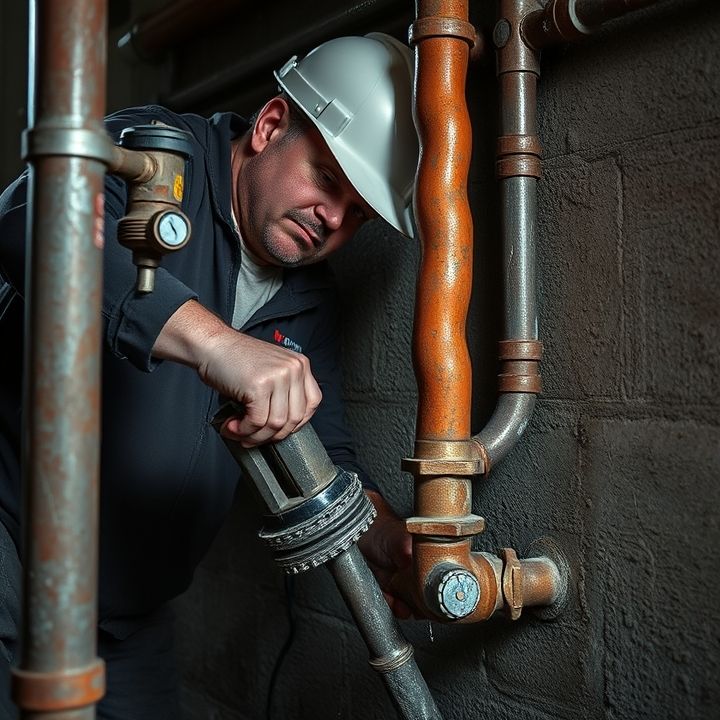
Visual inspection of plumbing fixtures and pipes is one of the primary methods plumbers use to detect leaks in a plumbing system. During this process, a plumber carefully examines visible components such as faucets, toilets, and exposed piping for any signs of damage or wear. They look for obvious indicators like water stains, corrosion, or accumulated moisture, which can signal a potential leak.
In addition to checking for leaks, the plumber will assess the integrity of joints and connections where pipes meet. Often, these areas are prone to leaks if not secured properly. The condition of seals and gaskets is also scrutinized, as wear over time can lead to ineffective seals.
For more challenging areas, such as behind walls or under flooring, visual inspection may be supplemented with advanced tools like thermal imaging cameras or moisture meters. These technologies help identify leaks that aren’t immediately visible. Overall, a thorough visual inspection is a crucial first step in leak detection and necessary for ensuring the plumbing system operates efficiently.
Using sound and pressure testing methods
Plumbers utilize various techniques to detect leaks in plumbing systems, with sound and pressure testing being two of the most effective methods.
Sound testing involves using specialized equipment, such as acoustic leak detectors, which can pick up the sound of water escaping from pipes. These devices amplify the noise of the leak, allowing plumbers to pinpoint its location even beneath walls or floors.
On the other hand, pressure testing is a method that assesses the integrity of the plumbing system. Plumbers introduce air or water into the system and monitor the pressure levels over time. If there is a significant drop in pressure, it indicates a leak present in the system. This approach not only helps in identifying the location of the leak but also evaluates the overall condition of the pipes.
Both sound and pressure testing are non-invasive methods that help in minimizing damage to property while effectively identifying the source of leaks, making them essential tools in a plumber’s arsenal.
Advanced plumbing camera inspection techniques
Advanced plumbing camera inspection techniques have revolutionized the way plumbers detect leaks and faults in plumbing systems. Utilizing high-definition video cameras, plumbers can access hard-to-reach areas within pipes without the need for invasive digging or removal. This technology enables them to visually inspect the interior of pipes for signs of damage, corrosion, or blockages.
One common method involves the use of a flexible camera, which can navigate bends and turns in the plumbing system. Equipped with various features such as LED lighting and video recording, these cameras provide clear visuals that can be analyzed in real-time. In addition, many systems are now equipped with sonar technology, allowing plumbers to identify leaks even in the most concealed areas.
This innovative approach not only saves time and reduces labor costs but also minimizes disruption to the surrounding environment. By pinpointing the exact location of a problem, plumbers can devise targeted solutions, ensuring effective and efficient repairs.
Employing moisture detection tools
Employing moisture detection tools is an essential technique used by plumbers to identify leaks in plumbing systems. These specialized instruments can accurately locate hidden leaks that are not easily visible to the naked eye. One common tool used is the moisture meter, which measures the moisture content in various materials. By sliding the meter along walls, floors, and ceilings, plumbers can pinpoint areas with excessive moisture, which may indicate a leak behind the surface.
Another effective tool is the infrared camera, which detects temperature variations in surfaces. This helps in identifying cold spots, typically indicating water accumulation due to leaks. Such technology allows plumbers to see beyond what is visible and helps them target their repairs effectively.
Acoustic leak detection devices are also popular, utilizing sound waves to identify water leaking under pressure. By listening for specific frequencies associated with leaks, plumbers can trace the source without invasive methods.
Deploying these moisture detection tools enhances efficiency, minimizes damage and saves time during repairs.
Utilizing thermal imaging for leak detection
Utilizing thermal imaging for leak detection is a cutting-edge technique that allows plumbers to identify hidden leaks without invasive procedures. Thermal imaging cameras detect temperature variations in building materials, allowing for the observation of areas that may be affected by moisture. When a leak occurs, the water typically causes a change in temperature, as it may either cool or heat the surrounding area, depending on its source and location.
This technology not only enhances the accuracy of leak detection but also saves time and reduces repair costs. By providing a clear visual representation of temperature differences, plumbers can pinpoint the exact location of a leak, often behind walls or under floors, without having to excavate or demolish structures. Additionally, thermal imaging can help identify other potential issues within the plumbing system, such as insulation problems or failing heating elements.
The use of thermal imaging represents a significant advancement in plumbing diagnostics, enabling professionals to respond quickly and effectively to leak-related problems while minimizing disruption to the property.
Hydrostatic testing in plumbing systems
Hydrostatic testing is a method employed by plumbers to detect leaks within plumbing systems. This process involves filling the plumbing system with water and then applying a specified amount of pressure. By monitoring the pressure levels, plumbers can determine if there are any leaks present. If the pressure drops over time, it indicates that there is an issue somewhere in the system.
During hydrostatic testing, plumbers typically isolate sections of the pipes or fixtures to identify the exact location of the leak. This method is highly effective as it can be used on various types of piping, including PVC, copper, and steel.
Additionally, hydrostatic testing is beneficial because it is less invasive than other leak detection methods, causing minimal disruption to the plumbing infrastructure. It is also a valuable tool for ensuring that new installations meet safety and regulatory standards. Regular plumbing inspections that include hydrostatic testing can help homeowners avoid costly repairs by identifying potential issues early.
Identifying signs of water damage and mold
Identifying signs of water damage and mold is crucial for maintaining the integrity of your plumbing system and your home. Common signs of water damage include discoloration on walls or ceilings, which may appear as brown or yellow spots. These stains indicate that water has infiltrated the area, potentially from a leaking pipe or roof.
Additionally, peeling or bubbling paint and wallpaper can signal moisture accumulation beneath the surface. It is also important to monitor for warped flooring, which might suggest water has seeped into the subfloor.
Mold growth is another indicator of water issues; it typically appears as green, black, or white patches in damp areas such as bathrooms, basements, and under sinks. A musty odor surrounding these areas often accompanies mold, indicating ongoing moisture problems.
Regular inspections and maintenance can help prevent serious water damage and keep mold at bay, ensuring that your plumbing system remains in good condition.
Consultation and assessment for plumbing repairs
Consultation and assessment are crucial first steps in addressing plumbing repairs. A qualified plumber will begin by conducting a thorough inspection of the plumbing system to identify the source of the issue. This may involve checking for visible signs of leaks, such as water stains on ceilings or walls, or damp patches in the flooring.
Additionally, they may use specialized tools like infrared cameras or moisture meters to detect hidden leaks that are not immediately apparent. During the assessment, the plumber will also evaluate the overall condition of the plumbing system, including pipes, fixtures, and drainage.
Once the assessment is completed, the plumber will discuss their findings with the homeowner, outlining the necessary repairs and providing a detailed estimate. This transparent communication ensures that the homeowner is fully informed about the repair process and costs involved.
Ultimately, thorough consultation and assessment help to ensure that repairs are effective and long-lasting, preventing future plumbing issues.
Conclusion
In conclusion, detecting hidden leaks in your plumbing system is a multifaceted process that combines various techniques, ranging from visual inspections and sound testing to advanced technologies like thermal imaging and camera inspections. By leveraging these methods, plumbers can effectively identify and address leaks before they lead to significant damage and costly repairs. It is crucial for homeowners to be aware of the signs of leaks, such as water stains, mold growth, and unusual increases in water bills, and to act quickly when these indicators arise. Regular plumbing assessments and utilizing state-of-the-art detection tools ensure your plumbing system remains in optimal condition. Don’t wait for a small leak to become a bigger problem. For prompt and professional plumbing assistance, call 573-555-2121 today and let our experienced team help you safeguard your home from hidden leaks.