Table of Contents
- Introduction
- Initial assessment and diagnosis of sewer line issues
- Obtaining necessary permits and complying with plumbing codes
- Excavation and preparation for sewer line replacement
- Replacing the old sewer line with new plumbing pipe installation
- Conducting plumbing camera inspection to ensure integrity
- Backfilling and restoring the excavation site after installation
- Testing the new sewer line for leaks and functionality
- Providing maintenance tips and scheduling follow-up inspections
- Conclusion
- Frequently Asked Questions
Introduction
When faced with the daunting task of replacing a sewer line, many homeowners feel overwhelmed and uncertain. The thought of navigating through extensive underground plumbing systems can evoke images of muddy backyards and chaotic construction sites. However, fear not! This guide aims to illuminate the process, transforming a seemingly insurmountable challenge into a manageable project.
With the right information and techniques at your disposal, you can tackle this essential home improvement with confidence. Whether you’re dealing with persistent clogs, foul odors, or even visible damage, understanding how to replace your sewer line can save you time, money, and stress. As we delve into each step of the process, you’ll discover practical tips, necessary tools, and professional insights that will help you navigate your way through the underground without a hitch. So, roll up your sleeves and prepare to get your hands a little dirty—your home’s plumbing is about to get a serious upgrade!
Initial assessment and diagnosis of sewer line issues
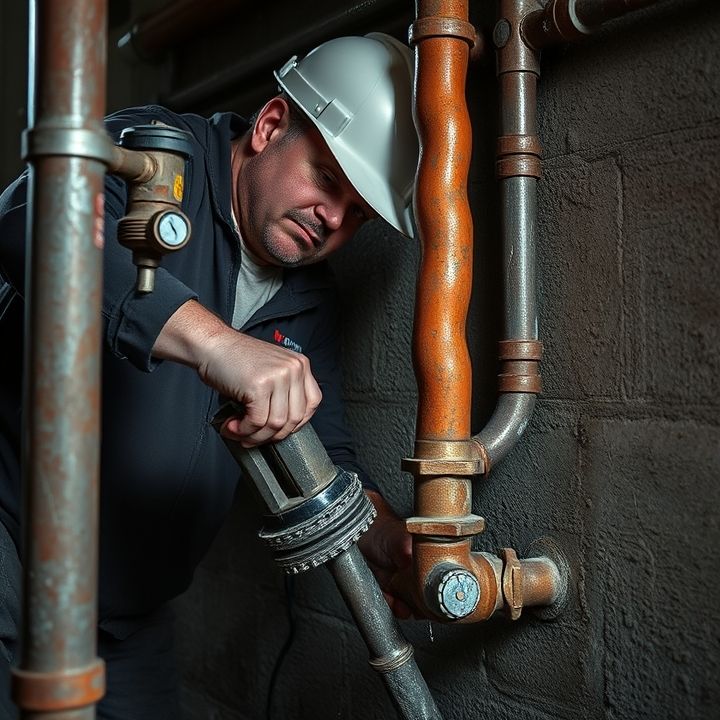
The initial assessment and diagnosis of sewer line issues are critical steps in addressing any potential problems. Typically, this begins with a visual inspection of the affected areas. Homeowners may notice warning signs such as slow drainage, unusual odors, or multiple backed-up fixtures. If these symptoms are present, it is advisable to contact a plumbing professional.
Once a plumber arrives, they will perform a thorough examination of the plumbing system. This may involve the use of specialized tools such as video camera inspections to identify blockages, cracks, or other damage within the sewer lines. By capturing real-time footage, plumbers can accurately diagnose the extent of the issue and its exact location.
The analysis will take into consideration factors such as the age of the plumbing system, materials used, and previous repairs. Understanding these elements is essential, as older pipes may be more susceptible to issues like tree root intrusion or corrosion. After gathering all necessary data, the plumber can outline possible solutions, which may include repairs, cleaning, or a complete replacement of the sewer line.
Obtaining necessary permits and complying with plumbing codes
Replacing a sewer line is a significant undertaking that requires careful planning, especially when it comes to obtaining necessary permits and complying with plumbing codes. Before any work begins, homeowners must check with their local government to understand the specific requirements for sewer line replacement. This often involves submitting an application for a permit that outlines the scope of work to be done.
Additionally, plumbing codes vary by location and dictate how the replacement must be handled to ensure safety and functionality. These codes cover aspects such as material used, installation methods, and even depth at which the new line must be laid.
Compliance with these regulations is vital not just for ensuring a successful outcome, but also for avoiding potential fines and legal complications. In most cases, inspections will be required at various stages of the project to verify that the work meets local standards.
Working with a licensed plumber who is familiar with the local codes can help streamline this process and ensure that all necessary permits are obtained.
Excavation and preparation for sewer line replacement
Excavation and preparation are critical steps in the process of replacing a sewer line. The first phase involves locating the existing sewer line, which may require the use of specialized equipment to identify its exact path. Once located, permits from local authorities are often necessary to ensure compliance with regulations. Following the necessary approvals, the excavation begins.
The area above the sewer line is carefully dug up using a backhoe or manual labor, depending on the project size and location. It is crucial to handle this process with care to avoid damaging surrounding structures or utilities. The depth of the excavation must be sufficient to access the old sewer line, usually around 3 to 5 feet.
During excavation, workers should also be cautious of any underground utilities such as water lines or electrical cables. Proper safety measures must be implemented to protect workers and ensure the site remains secure. Once the site is prepared and the old line is exposed, the next steps, including removal and replacement, can proceed efficiently.
Replacing the old sewer line with new plumbing pipe installation
Your old sewer line may need to be replaced due to a variety of reasons, including tree root intrusion, corrosion, or significant damage. Replacing the old sewer line involves several critical steps to ensure proper plumbing pipe installation. First, a thorough inspection using video camera technology is recommended to assess the current condition of the sewer line and determine the best approach for replacement. Once the problem is identified, access points may need to be created in your yard or basement for the excavation process.
Next, the old sewer line is carefully excavated and removed, taking care to manage any waste effectively. After the old line is out, the new plumbing pipe, typically made of PVC or ABS due to their durability and resistance to tree roots, is installed. Proper alignment and connection to existing plumbing systems are crucial for preventing future issues.
Finally, the trenches are backfilled, and the area is restored to its original state, ensuring minimal disruption to your property. Completing this process may take several days, depending on the complexity of the situation.
Conducting plumbing camera inspection to ensure integrity
Conducting a plumbing camera inspection is a vital step in ensuring the integrity of a sewer line. This process involves using a specialized camera attached to a flexible rod that can navigate through the pipes, providing a real-time visual assessment. The camera is inserted into the sewer line through a cleanout or access point, allowing plumbers to examine the interior condition of the pipes without invasive digging.
During the inspection, visual data is collected to identify issues such as blockages, cracks, root intrusions, and other structural problems. This information is crucial for determining the appropriate course of action for repairs or replacements. By pinpointing the exact location and nature of any damage, plumbing professionals can avoid unnecessary excavation and minimize disruption to the property.
Additionally, the recorded footage can serve as a valuable reference for future inspections or repairs. This proactive approach not only enhances the longevity of the sewer line but also ensures compliance with local regulations, ultimately safeguarding the health and sanitation of the surrounding environment.
Backfilling and restoring the excavation site after installation
Backfilling and restoring the excavation site is a crucial step following the installation of a new sewer line. This process involves filling the trench that was dug to accommodate the new pipe. Care must be taken to use the right materials for backfilling, which typically include the original soil and gravel.
Proper compaction is vital to prevent future settling or shifts in the ground. Workers often use specialized equipment to ensure that the backfill is tightly packed around the newly installed sewer line. This step also helps to protect the pipe from potential damage due to ground movement.
After backfilling, the restoration of the excavation site begins. This may involve leveling the ground, replacing sod or asphalt, and ensuring proper drainage. The goal is to return the area to its original state while leaving it functional and safe. Overall, this stage is essential not just for aesthetics but also for ensuring the longevity of the sewer line and the surrounding landscape.
Testing the new sewer line for leaks and functionality
After the new sewer line is installed, it is crucial to test it for leaks and ensure its functionality. This process begins with conducting a visual inspection of the entire installation, looking for any obvious signs of damage or misalignment. Next, a common method to test for leaks is to perform a water test. Water is introduced into the line, and the inspector watches for any signs of leakage at joints or along the pipeline. Additionally, an air test can be conducted, wherein air is pumped into the system and monitored for pressure drops, which may indicate leaks.
Besides leak detection, it’s important to check the overall functionality of the new sewer line. This includes ensuring that wastewater flows through the system without obstruction and that venting systems are properly installed to prevent any potential build-up of gases. A functional test may also involve running water through the system to simulate normal usage and ensure that everything operates as intended.
Providing maintenance tips and scheduling follow-up inspections
Maintaining your sewer line is essential for preventing costly repairs and ensuring its longevity. Regular maintenance helps identify potential issues before they become major problems. Start by scheduling routine inspections with a professional plumber, ideally every 1 to 2 years, to check for blockages, leaks, or corrosion. During these inspections, high-resolution cameras can be used to assess the condition of the sewer line without significant disruption.
In addition to professional inspections, practice good habits at home. Avoid flushing non-biodegradable items, such as wipes, feminine hygiene products, and grease, down the toilet or sink. These can lead to clogs and exacerbate wear on the sewer line.
Furthermore, consider a yearly maintenance routine where you flush the system with hot water combined with enzyme-based cleaners to break down buildup. Scheduling follow-up inspections after significant weather events, such as heavy rains or storms, is also advisable, as these can exacerbate existing issues or create new ones. Keeping a log of maintenance and inspections can help you track the health of your sewer line over time.
Conclusion
In conclusion, replacing your sewer line is a substantial yet essential undertaking that requires careful planning and execution. By following the step-by-step guide outlined in this article, homeowners can navigate the complexities of sewer line replacement with confidence. From the initial assessment and obtaining necessary permits to the actual installation and maintenance tips, each stage plays a crucial role in ensuring the longevity and functionality of your plumbing system. Regular inspection and proactive maintenance are vital for avoiding costly future repairs. If you’re facing signs of sewer line issues or need assistance with the replacement process, don’t hesitate to reach out for professional help. Call 573-555-2121 today to get expert plumbing assistance tailored to your needs, ensuring a smooth and effective resolution to your sewer line concerns.