Table of Contents
- Introduction
- Hidden leaks in plumbing pipes leading to increased consumption
- Faulty plumbing fixtures that continuously drip or run
- Issues with plumbing valves causing water wastage
- Clogged drains resulting in backup and overflow
- Malfunctioning water heaters using excess water
- Sewer line leaks leading to rapid water loss
- Old or damaged plumbing requiring frequent repairs
- Backflow problems affecting overall water efficiency
- Conclusion
- Frequently Asked Questions
Introduction
Have you ever opened your water bill only to be greeted by a number that makes your heart sink?
In many households, hidden leaks can be the silent culprit behind a skyrocketing water bill.
These sneaky plumbing issues often lurk behind walls or under floors, causing damage and draining your wallet without you even realizing.
Imagine a dripping faucet or a running toilet not just as mere inconveniences, but as gateways to escalating costs and unnecessary waste.
In this article, we delve into the world of plumbing troubles, uncovering how these hidden leaks can wreak havoc on your expenses while also contributing to environmental strain.
Join us as we explore the common culprits of hidden leaks, the telltale signs to watch for, and practical steps you can take to safeguard your home and finances.
Get ready to take control of your water usage and protect your budget!

Hidden leaks in plumbing pipes leading to increased consumption
Hidden leaks in plumbing pipes can significantly lead to increased water consumption, often without homeowners even realizing it. These leaks may occur in various areas, including behind walls, under floors, or within the foundation of a property. Because these leaks are not readily visible, they can go undetected for an extended period.
Even a small leak can waste a considerable amount of water over time. For instance, a pinhole-sized leak can result in hundreds of gallons of water being lost each month. This not only increments your water bill but can also cause damage to your property, leading to more costly repairs in the future.
Common symptoms of hidden leaks include unexplained increases in water bills, damp spots on walls or ceilings, or the sound of running water when all fixtures are off. It is advisable to perform regular plumbing inspections to catch these leaks early, as the savings on your water bill can be substantial. Additionally, addressing these issues promptly can contribute to a more efficient and effective plumbing system.
Faulty plumbing fixtures that continuously drip or run
Faulty plumbing fixtures can significantly contribute to increased water bills, especially when they drip or run continuously. Common fixtures like faucets and toilets can develop leaks that may not always be easily noticeable. A dripping faucet, although seemingly minor, can waste gallons of water each day, leading to higher water consumption and increased costs. Similarly, a running toilet can be particularly problematic. Often caused by a malfunctioning flapper, a running toilet continues to flush water into the bowl even when not in use. This silent leak may go undetected for long periods, yet can lead to a dramatic rise in water usage. Regular maintenance and prompt attention to these issues are essential. Homeowners should periodically check fixtures for signs of leaks and investigate unusual spikes in water bills. Addressing faulty fixtures not only helps conserve water but also reduces overall expenses and contributes to a more sustainable household.
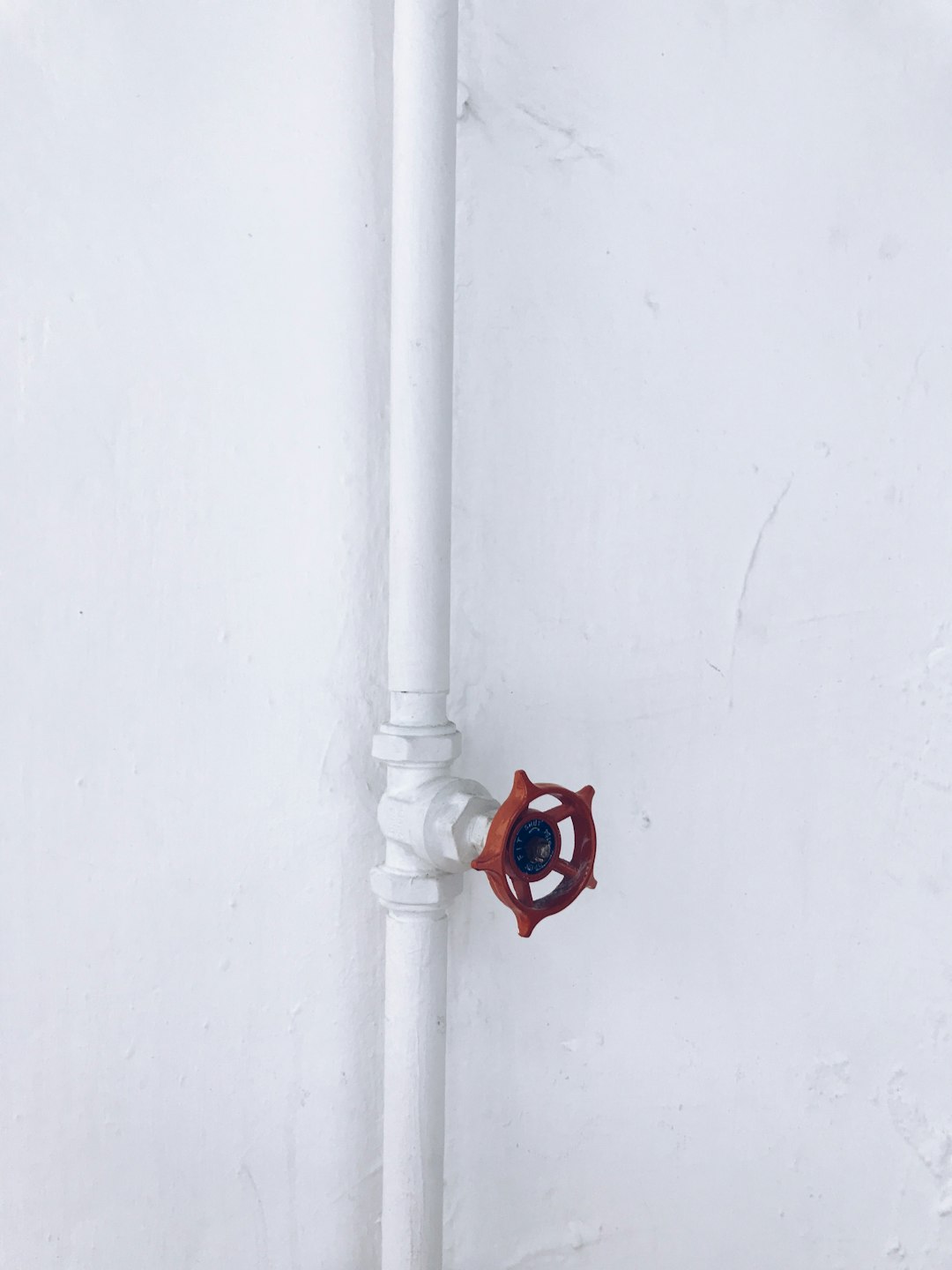
Issues with plumbing valves causing water wastage
Issues with plumbing valves can significantly contribute to water wastage, which in turn can lead to higher water bills. Valves are critical components in plumbing systems as they regulate the flow of water to various fixtures and appliances. If a valve begins to malfunction, it may not close properly, resulting in leaks that can waste large quantities of water over time.
One common problem is a faulty shut-off valve. If this valve fails to seal completely, it can allow water to continue flowing even when not in use. Another issue could be a pressure-reducing valve that is not functioning correctly, causing excessive water pressure and leaks throughout the system.
Additionally, valves in irrigation systems might leak, leading to unnecessary water loss during watering schedules. Regular maintenance of plumbing valves is essential for homeowners to prevent these issues and ensure efficient water usage. Ignoring signs of valve problems can lead to increased water bills and potentially costly repairs.
Clogged drains resulting in backup and overflow
Clogged drains are a common plumbing issue that can lead to significant increases in water bills. When a drain becomes clogged, water backs up and can create a multitude of problems, including overflows. This accumulating water not only wastes valuable resources but can also contribute to unwanted damage within your home.
As water is unable to flow freely through the pipes, it can lead to higher pressure, prompting your plumbing system to work overtime to manage the excess. This increased workload often results in higher water usage, which is reflected in your monthly bill.
Additionally, if the blockage is severe, homeowners may resort to using chemical drain cleaners or calling in professional plumbers to resolve the issue, both of which can come at a monetary cost. Regular maintenance and timely interventions can help mitigate these issues, ensuring that drains function as they should.
Being proactive about drain care can significantly minimize the chances of clogs, overflow, and the subsequent spike in water bills.
Malfunctioning water heaters using excess water
Malfunctioning water heaters can significantly contribute to increased water bills. When a water heater is not functioning correctly, it may lead to excessive water usage, which in turn raises household water costs. One common issue is a faulty temperature and pressure relief valve. If this valve is leaking, it can cause hot water to escape, consuming extra water and driving up bills.
Another potential problem is sediment buildup within the tank. As deposits accumulate, the water heater has to work harder to heat the water, which can lead to increased operational inefficiencies and additional water usage.
Additionally, if the water heater has a continuous leak, whether from the tank itself or the connections, this can waste a significant amount of water over time.
Regular maintenance and prompt repairs can help prevent these issues, ensuring your water heater operates efficiently and your water bills remain manageable.
Sewer line leaks leading to rapid water loss
Sewer line leaks can be a significant concern for homeowners, often leading to rapid water loss and subsequently higher water bills. These leaks occur when there is a break or crack in the sewer line, causing wastewater to escape from the system. This not only results in the loss of water, but it can also pose serious health risks due to contamination.
Detecting sewer line leaks can be challenging, as they are typically underground and not easily visible. However, signs such as unusual wet spots in the yard, foul odors, or slow drains throughout the home may indicate the presence of a leak.
If left unaddressed, these leaks can lead to extensive damage, including structural issues or additional plumbing complications. It is essential for homeowners to monitor their water bills closely and seek professional plumbing assistance if they suspect a sewage leak. Early detection and repair can prevent more significant problems and keep water usage—and bills—under control.
Old or damaged plumbing requiring frequent repairs
Old or damaged plumbing can lead to a myriad of issues, resulting in frequent repairs that not only disrupt daily routines but also contribute to an increase in water bills. Over time, pipes can corrode, develop leaks, or become misaligned due to settling or shifting soil. These problems can lead to water waste, where even small leaks can amount to gallons of water lost each month. Additionally, if plumbing fixtures such as faucets, toilets, or showerheads are outdated or faulty, they may require excess water to function properly, further driving up costs.
Frequent repairs often indicate that the plumbing system is at the end of its lifespan, requiring constant attention and resources to maintain. This not only adds to your water bill but can also result in higher utility costs. Homeowners experiencing ongoing plumbing issues should consider a comprehensive inspection to determine if replacement of older pipes or fixtures is necessary. Investing in updated plumbing systems can yield long-term savings by reducing repair frequency and minimizing water wastage.
Backflow problems affecting overall water efficiency
Backflow problems can significantly affect overall water efficiency within a plumbing system. Backflow occurs when water flows in the reverse direction due to changes in pressure, which can lead to contamination of the clean water supply. This situation often arises from issues such as a faulty pressure relief valve or cross-connections in plumbing fixtures.
When backflow occurs, not only does it compromise the quality of water, but it can also lead to costly repairs and higher water bills. Homeowners may notice spikes in their water usage, as systems may inadvertently draw in more water to compensate for contamination.
Additionally, backflow can cause leaks or bursts in pipes, escalating water loss and further increasing bills. Regular maintenance and installation of backflow prevention devices are crucial for ensuring water flows in the intended direction, thereby promoting water efficiency and safeguarding water quality. Addressing backflow issues promptly is essential to prevent larger plumbing problems and minimize unnecessary water expenses.
Conclusion
In conclusion, hidden plumbing issues can silently escalate your water bills, costing you money and resources over time. From leaks in pipes and malfunctioning fixtures to problems with valves and backflow, each of these troubles contributes to unnecessary water wastage. Regular maintenance and inspections are essential to identify and rectify these issues before they lead to significant financial burdens. By being proactive and addressing minor plumbing concerns early, homeowners can save money and enhance their water efficiency. If you suspect any plumbing issues are affecting your water consumption, don’t hesitate to seek professional assistance. Call 573-555-2121 today for expert plumbing support and ensure your home’s plumbing system operates smoothly, safeguarding both your wallet and the environment.