Table of Contents
- Introduction
- Ingredients and their significance in Moroccan cuisine
- Preparation process: Step-by-step guide
- Cooking techniques for Tagine: Traditional vs modern approaches
- Pairing with sides and accompaniments for a complete Moroccan meal
- Health benefits and nutritional value of Moroccan Spiced Chicken Tagine
- Substitutes and variations for different tastes and dietary needs
- Cultural importance and occasions for serving Chicken Tagine
- Tips for choosing the right Tagine pot and cookware
- Conclusion
- Frequently Asked Questions
Introduction
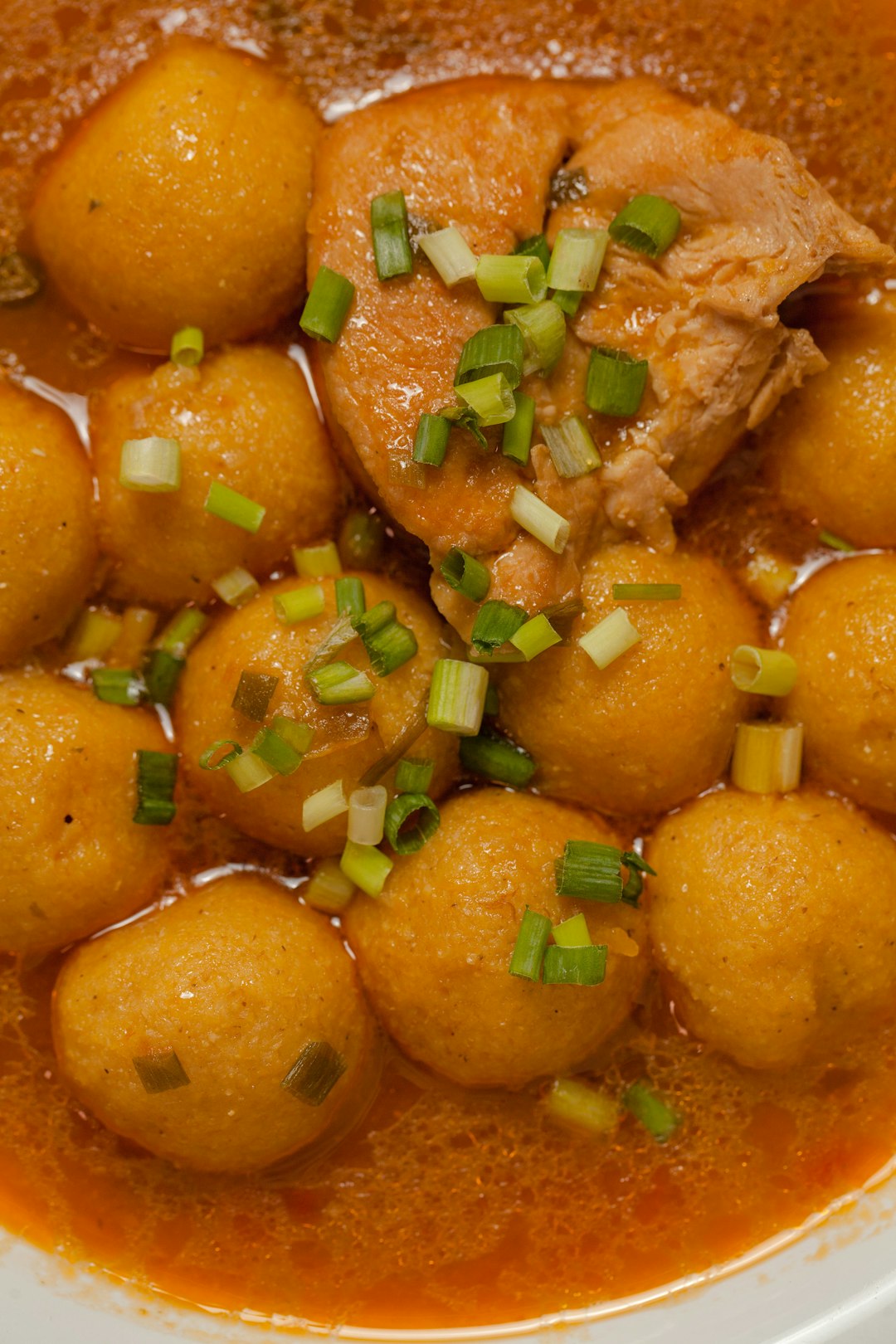
Embark on an aromatic voyage to the bustling souks of Morocco, where the air is rich with the tantalizing scents of exotic spices and the clatter of traditional cookware. At the heart of this culinary expedition lies the spiced chicken tagine, a dish that promises to elevate your taste buds to new heights. Imagine tender pieces of chicken simmering gently in an earthenware vessel, infused with a medley of warm spices including cumin, coriander, and ginger, all punctuated by the sweet, earthy allure of saffron.
To bring this flavorful feast into your kitchen, gather these essentials: 1.5 kg of chicken pieces, 2 tablespoons of olive oil, 1 finely chopped onion, 3 minced garlic cloves, 2 teaspoons of ground cumin, 1 teaspoon of ground coriander, 1 teaspoon of ginger, a pinch of saffron threads, and a handful of pitted green olives. But the secret ingredient? A generous sprig of fresh cilantro, to garnish and to transport your senses straight to the heart of Marrakesh.

With each bite, you’ll partake in a centuries-old tradition of storytelling and togetherness around the tagine. Ready to uncover the secrets of Morocco’s most storied dish? Read on, as we delve into the spice-laden world of the Moroccan kitchen.
Ingredients and their significance in Moroccan cuisine
Moroccan cuisine is celebrated for its rich flavors and aromatic spices, with chicken tagine being a standout dish. The ingredients in a Moroccan spiced chicken tagine are not only vital for flavor but also reflect the cultural tapestry of Morocco. A key element in this dish is the blend of spices known as ras el hanout, which includes cumin, coriander, ginger, cinnamon, and turmeric, each contributing a unique note to the dish. This blend exemplifies the Moroccan love for spice, transforming simple ingredients into a feast for the senses.
Another essential ingredient is preserved lemon, which adds a distinctive tangy flavor and complexity, elevating the chicken’s taste. Olives are frequently added, offering a salty contrast to the sweetness of ingredients like onions and dried fruits, such as apricots or prunes. These ingredients symbolize Morocco’s diverse culinary influences, including Arab, Berber, and Mediterranean traditions.
In Moroccan cuisine, every ingredient serves a purpose beyond taste; spices not only season the food but are often linked to health benefits and traditions. Thus, each component in a Moroccan chicken tagine is chosen for its role in creating a dish that is both hearty and infused with cultural significance.
Preparation process: Step-by-step guide
Preparing Moroccan Spiced Chicken Tagine is a rewarding process that starts with gathering your ingredients. Begin by marinating the chicken pieces in a blend of cumin, coriander, paprika, ginger, and turmeric for at least an hour to let the flavors penetrate.
Next, heat some olive oil in a tagine or a heavy-bottomed pot. Add onions and garlic to the oil, sautéing until they become soft and aromatic. This forms the flavor base for the dish.
Then, add the marinated chicken to the pot, browning it on all sides to lock in the spices and juices. Pour in chicken stock and diced tomatoes, stirring well to combine the ingredients.
At this stage, introduce the essential Moroccan spices such as saffron and cinnamon. Adding preserved lemons and olives brings an authentic flavor that defines this dish. Cover the pot, allowing it to simmer gently for approximately 45 minutes.
While the chicken cooks, the aromas will transform your kitchen into a Moroccan haven. Once done, the chicken should be tender and beautifully flavored. Serve with couscous or bread to absorb the rich sauce, completing your culinary journey.
Cooking techniques for Tagine: Traditional vs modern approaches
When it comes to cooking Moroccan Spiced Chicken Tagine, both traditional and modern approaches offer unique advantages. The traditional method involves using a tagine, a clay or ceramic pot, which allows for slow cooking. This pot design creates steam that circulates inside, tenderizing the chicken and infusing it with aromatic spices like cumin, coriander, and ginger. Cooks often use charcoal or wood fire for a more authentic flavor, though stovetop heating is also common.
On the other hand, modern cooking techniques have adapted the tagine for contemporary kitchens. Some home cooks use electric pressure cookers or slow cookers to replicate the slow and even cooking process. These tools can significantly reduce cooking time while retaining the moisture and flavors characteristic of traditional tagines. Another modern twist is the use of stainless steel tagine pots, compatible with various heat sources including induction stoves. Some chefs also experiment with sous-vide cooking before transferring the meat and spices to a tagine pot for finishing. This combination of methods helps in achieving a consistent texture and unparalleled depth of flavor, merging the best of both worlds in Moroccan spiced chicken tagine.
Pairing with sides and accompaniments for a complete Moroccan meal
Creating a complete Moroccan meal involves pairing the rich, spiced flavors of a Chicken Tagine with complementary sides and accompaniments that enhance its taste and provide a well-rounded dining experience.
One popular choice is serving the tagine with a side of fluffy couscous, which perfectly absorbs the aromatic sauce and spices, offering a subtle contrast in texture. You can enhance the couscous with chopped herbs like cilantro and mint for added freshness.
Another excellent accompaniment is warm, crusty bread such as Moroccan Khobz or baguettes. These breads are ideal for scooping up the flavorful tagine sauce.
A vibrant salad, incorporating ingredients like tomato, cucumber, and red onion, dressed in olive oil and lemon, can add a refreshing contrast to the hearty tagine.
To round off the meal, consider including olives and harissa on the side. The brininess of olives complements the robust spices, while harissa can add a touch of heat for those who prefer it.
Whether serving a family meal or hosting a dinner party, these sides and accompaniments will surely elevate your Moroccan Chicken Tagine to an unforgettable feast.
Health benefits and nutritional value of Moroccan Spiced Chicken Tagine
Moroccan Spiced Chicken Tagine is a dish not only celebrated for its rich flavors but also for its health benefits and nutritional value. This dish typically includes a variety of spices such as turmeric, cumin, and ginger, all of which have anti-inflammatory properties that can support overall health. Turmeric contains curcumin, a powerful antioxidant that can help reduce inflammation and support heart health.
The chicken in this tagine serves as a lean protein source, which is essential for muscle building and repair as well as maintaining an optimal metabolic rate. Additionally, the inclusion of vegetables such as tomatoes and onions adds dietary fiber, vitamins, and minerals to the dish, which are necessary for a balanced diet and digestive health. The fruits like apricots or raisins often used in tagine not only add a touch of sweetness but also provide additional nutrients, such as potassium and vitamin C.
This flavorful dish is nutritious and satisfying, making it a delightful way to enjoy a health-conscious meal. It’s an excellent example of how traditional cooking methods can be both delicious and beneficial to one’s health.
Substitutes and variations for different tastes and dietary needs
Creating a Moroccan Spiced Chicken Tagine allows for numerous variations to cater to different tastes and dietary needs. Those following a vegetarian or vegan diet can substitute the chicken with hearty vegetables like zucchini, eggplant, or chickpeas, offering the same rich flavors without animal products. For those with gluten sensitivities, ensure that broths or spice mixes are certified gluten-free.
For something a little different, try using lamb or beef in place of chicken; these proteins bring a deeper flavor and pair well with the traditional spices of cinnamon, cumin, and coriander. To accommodate a lower-calorie diet, opt for skinless chicken breast and reduce the amount of oil used in the cooking process.
If you prefer a spicier dish, increase the amount of harissa or incorporate fresh chili peppers into the mix. Sweetening the tagine with additional dried fruits like apricots or dates also provides a sweeter contrast to the spices, catering to those with a preference for sweet-savory combinations.
Ultimately, the flexibility of the tagine means you can customize each component to suit varied preferences, offering something satisfying for everyone at the table.
Cultural importance and occasions for serving Chicken Tagine
Chicken Tagine holds a special place in Moroccan culture, epitomizing the blend of flavors and communal spirit of dining that defines this North African nation. It is more than just a dish; it is a symbol of hospitality and togetherness, often served at celebratory gatherings and family meals. The tagine itself, a traditional earthenware pot with a conical lid, is both a cooking vessel and a serving dish, ideal for slow-cooking meats to tender perfection.
Moroccan households frequently prepare Chicken Tagine during cultural celebrations such as weddings, Eid al-Fitr and Eid al-Adha, and other festive occasions. The dish’s appeal lies in its aromatic spices, such as turmeric, cumin, ginger, and saffron, which blend harmoniously with ingredients like preserved lemons and olives to create irresistible flavors.
Serving Chicken Tagine is a cherished tradition that showcases the heritage and identity of Moroccan cuisine. Each region and family may have its unique take on the recipe, reflecting local influences and personal tastes, thereby enriching the cultural tapestry of Moroccan food. The shared enjoyment of Chicken Tagine exemplifies how food can unite people, telling a story of history, kinship, and celebration.
Tips for choosing the right Tagine pot and cookware
When it comes to preparing Moroccan Spiced Chicken Tagine, selecting the right tagine pot and cookware is essential for authentic flavor and texture. Traditional tagine pots are typically made of clay, which allows for slow cooking, enhancing the rich tastes of the spices over time. When choosing a clay tagine, consider whether it’s glazed or unglazed. Glazed tagines are easier to clean, while unglazed options can impart an earthy flavor to dishes.
If you prefer a more modern approach, cast iron or ceramic tagines provide excellent heat distribution and retention, making them ideal for even cooking. Features such as a conical lid are important, too, as they help return condensation to the pot, ensuring the meat stays moist.
Another important aspect is size. Choose your tagine based on the number of servings you need—larger options are better for entertaining, while smaller ones are perfect for family dinners. Additionally, verify compatibility with your stovetop, as some tagines are better suited for gas burners while others may fit induction cookers.
Lastly, remember that a high-quality tagine is an investment for years to come, promising numerous delightful culinary adventures.
Conclusion
Moroccan Spiced Chicken Tagine invites you to experience the alluring flavors of Morocco, a land where culinary artistry meets rich cultural heritage. This vibrant journey through the dish’s essential ingredients, traditional and modern cooking techniques, and perfect pairings reveals its esteemed cultural significance and nutritional benefits. With its versatility in accommodating different tastes and dietary needs, the tagine transforms a simple meal into an indulgent feast. As you savor the complex interplay of spices and textures, consider bringing these delightful flavors into your kitchen. To elevate your culinary repertoire, look no further than ‘The Chicken Bible: Say Goodbye to Boring Chicken with 500 Recipes for Easy Dinners, Braises, Wings, Stir-Fries, and So Much More.’ This comprehensive guide unlocks the secrets to flavorful, mouth-watering chicken dishes that cater to diverse tastes and preferences. Purchase it now on Amazon and embark on an exciting culinary adventure!