Categories
chicken recipes

Savor the Flavor: Unveiling the Secrets of Creamy Garlic Parmesan Chicken

Table of Contents

Introduction

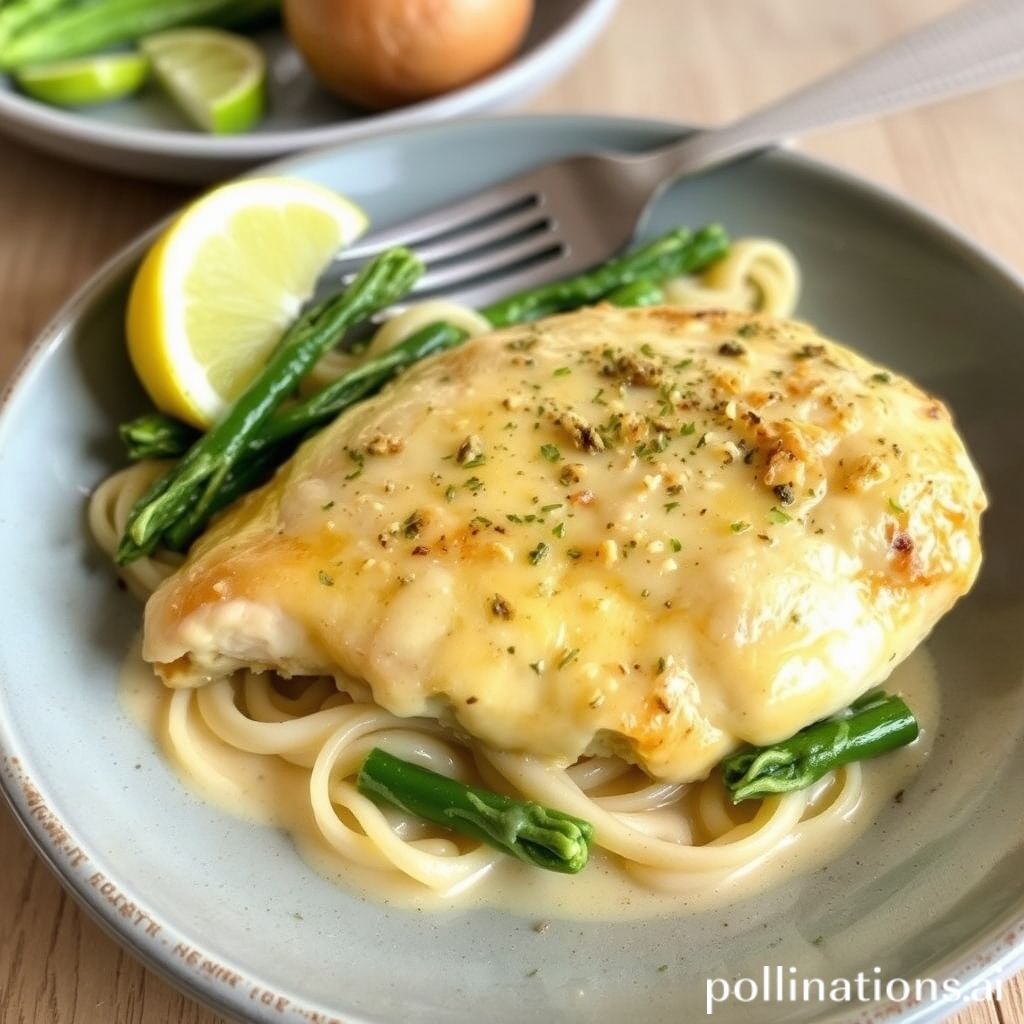
Creamy Garlic Parmesan Chicken

If you have ever savored the warm embrace of a perfectly cooked chicken dish, this journey promises to be a flavor revelation. Nestled in the promise of creamy richness, our Creamy Garlic Parmesan Chicken is a culinary delight that elevates humble ingredients into a symphony of tastes. Picture this: tender chicken breasts wrapped in a luscious sauce of garlic and Parmesan, each bite a harmony of savory elegance. But what makes this dish so irresistibly creamy and packed with flavor? We unravel the secrets in creating this delectable masterpiece. Stay with us as we delve into every aromatic detail, ensuring that your next dinner party or family meal turns into an unforgettable experience. Prepare to embark on a journey where simple ingredients meet exceptional culinary artistry.

Ingredients and Tools Needed for Creamy Garlic Parmesan Chicken

Preparing Creamy Garlic Parmesan Chicken is a delightful experience that starts with gathering the right ingredients and tools. For the ingredients, you’ll need boneless, skinless chicken breasts, garlic cloves, heavy cream, grated Parmesan cheese, chicken broth, and a selection of herbs like parsley or thyme for added flavor. Olive oil or butter is essential for cooking the chicken to golden perfection. A touch of salt and pepper enhances the taste, while red pepper flakes can be added for a spicy kick.

For tools, ensure you have a sharp chef’s knife for slicing the chicken, a large skillet or frying pan for cooking, and a spatula for turning the chicken as it cooks. A garlic press can be handy for mincing garlic, while a whisk is useful for blending the creamy sauce. Measuring spoons and cups will help in getting the quantities just right. Lastly, a wooden spoon can be helpful for stirring the sauce as it simmers to creamy perfection. With these ingredients and tools in hand, you’re well on your way to creating a savory and satisfying meal.

Step-by-Step Cooking Instructions with Visuals

To begin making the Creamy Garlic Parmesan Chicken, start by gathering all the necessary ingredients: chicken breasts, garlic, heavy cream, parmesan cheese, butter, and herbs like thyme or parsley for garnish. First, season the chicken with salt and pepper on both sides to enhance its flavor.
Next, heat some oil in a large skillet over medium heat and add the chicken breasts. Cook them for 5-7 minutes on each side until they are golden brown and cooked through. Once done, remove the chicken from the skillet and set it aside.
In the same skillet, melt some butter and add minced garlic. Sauté the garlic until fragrant, about 1-2 minutes. Then, pour in the heavy cream and let it simmer for a few minutes. Gradually stir in grated parmesan cheese, allowing it to melt and thicken the sauce.
Return the chicken breasts to the skillet, ensuring they are coated with the creamy sauce. Let them simmer for a few more minutes to absorb the flavors.
Serve the creamy garlic parmesan chicken hot, garnished with chopped herbs for an extra burst of freshness.

Tips for Achieving the Perfect Creamy Texture

Achieving the perfect creamy texture for your Creamy Garlic Parmesan Chicken is all about attention to detail and ingredient selection. First, choose high-quality cream; heavy cream works best due to its rich fat content, which lends a smooth texture. Avoid using milk or low-fat cream as they may curdle during cooking.

Next, incorporating the parmesan cheese at the right time is crucial. Add grated parmesan gradually, allowing it to melt fully into the sauce, which ensures a silky consistency. Stir the sauce continuously to prevent any clumps from forming.

Cooking temperature is another key factor. Cook the sauce over low to medium heat, as high temperatures can cause separation rather than blending the ingredients. Patience is essential to achieve a dreamy and velvety texture.

To enhance the creaminess, add a knob of butter as the sauce nears completion. This not only enriches the texture but also deepens the flavor.

Lastly, allow the cooked chicken to rest in the sauce before serving, which helps the flavors meld together creating a delicious, creamy dish.

Pairing Suggestions: Best Side Dishes to Complement the Dish

When serving Creamy Garlic Parmesan Chicken, choosing the right side dishes can elevate your meal, bringing a balance of flavors and textures. One classic pairing is steamed or roasted vegetables, such as asparagus or broccoli. These greens add a refreshing crunch and contrast beautifully with the creamy sauce.
Mashed potatoes, seasoned with a hint of garlic and butter, offer a comforting base that’s perfect for soaking up the rich flavors of the chicken dish. For a lighter option, consider serving a mixed green salad, dressed with a tangy vinaigrette, which provides a zesty counterpart to the creamy chicken.
If you’re in the mood for pasta, a simple side of angel hair pasta tossed with olive oil, garlic, and fresh herbs make for a delightful combination. Alternatively, a side of fluffy rice or quinoa seasoned with fresh herbs can also complement the dish, adding substance without overpowering the flavors.
Lastly, crusty bread or garlic breadsticks offer a satisfying crunch and can be used to scoop up any leftover sauce, ensuring no delicious drop goes to waste. By combining these side offerings, you can create a well-rounded meal that your family and friends will truly enjoy.

Variations and Substitution Ideas for Dietary Preferences

Creamy Garlic Parmesan Chicken is a versatile dish that can be adapted to suit various dietary preferences and tastes. For those following a vegetarian diet, consider substituting the chicken with hearty vegetables such as mushrooms or cauliflower. These alternatives absorb the creamy sauce well and provide a satisfying texture.
For a lighter version, opt for grilled or baked chicken breasts instead of pan-frying in oil. To make the dish dairy-free, replace the heavy cream with coconut milk or almond milk and use nutritional yeast instead of Parmesan cheese for a cheesy flavor without the lactose.
If you’re aiming for a low-carb meal, serve it with zucchini noodles or cauliflower rice instead of pasta. Adding herbs like basil or thyme can enhance the flavor while keeping it fresh and aromatic. Experimenting with different spices, such as smoked paprika or cayenne pepper, can give the dish a delightful twist without altering its creamy consistency. Ultimately, the key is to adjust the ingredients according to personal preferences, making this dish both customizable and delicious for everyone at the table.

Common Mistakes to Avoid When Cooking Creamy Garlic Parmesan Chicken

Cooking Creamy Garlic Parmesan Chicken can be a delight, but several common mistakes could dampen the experience. One frequent error is not properly browning the chicken before adding it to the sauce. Browning enhances flavor and texture, giving the dish a complex taste profile. Skipping this step might result in a bland outcome.
Another mistake is overcooking the chicken. To achieve a juicy interior, it’s essential to monitor the cooking time and temperature closely, using a meat thermometer if necessary to ensure it reaches an internal temperature of 165°F.
A third pitfall is neglecting the balance of flavors in the sauce. Adding too much garlic or Parmesan cheese can overpower the dish, leading to an unbalanced flavor. Measure ingredients carefully and taste before finalizing seasoning.
Finally, don’t forget to allow the sauce to thicken properly. Rushing this step might result in a watery sauce that doesn’t cling to the chicken pieces. Use heavy cream or add a bit of cornstarch slurry for a thicker consistency. By avoiding these common mistakes, you’ll be on your way to creating a flavorful and satisfying Creamy Garlic Parmesan Chicken.

Serving and Presentation Tips for a Restaurant-Style Experience

To achieve a restaurant-style experience when serving Creamy Garlic Parmesan Chicken, presentation is key. Start by selecting a large, white plate as it provides a clean backdrop that makes the dish pop. Place the chicken in the center, allowing the creamy sauce to elegantly cascade off the sides. Garnish with a sprinkle of finely chopped parsley or fresh basil for a pop of color. If you want to add a touch of elegance, consider using edible flowers as a delicate accent.

Accompany the dish with sides like al dente pasta or a lightly dressed mixed green salad to balance the creaminess. When plating, keep portions neat and tidy, using a spoon to artfully drizzle any extra sauce over the chicken and sides. To enhance the dining experience, set the table with decorative placemats, polished cutlery, and softly lit candles. This not only elevates the visual appeal but also creates a warm, inviting atmosphere.

A final tip is to pre-warm plates before serving, which helps maintain the chicken’s warmth and ensures that your meal is savored at the perfect temperature. Incorporating these touches will transform a simple meal into an exquisite dining experience.

Frequently Asked Questions about Creamy Garlic Parmesan Chicken

Creamy Garlic Parmesan Chicken is a beloved dish rich in flavor, making it a favorite for many. This dish combines succulent chicken with a creamy, garlicky sauce that’s enhanced by the distinctive taste of Parmesan cheese. One common curiosity is how to get the chicken perfectly cooked while keeping it juicy. The key lies in browning the chicken first to seal in the juices, followed by simmering it in the creamy sauce until fully cooked.

Another common question concerns the preparation of the sauce. To achieve a velvety consistency, the sauce is typically made using heavy cream, butter, garlic, and freshly grated Parmesan cheese. Stirring continuously while adding the cheese helps in avoiding clumping and ensures a smooth texture.

For those wondering about variations, the dish can be personalized with additions such as mushrooms, spinach, or even sun-dried tomatoes for an extra burst of flavor. And for those watching their calorie intake, using half-and-half instead of heavy cream can be a viable option, although it might slightly alter the creaminess.

Serving suggestions often include pairing it with pasta, mashed potatoes, or a side of fresh vegetables, making it a versatile choice for meals.

Conclusion

Unlock the culinary secrets of delightful dining with “Savor the Flavor: Unveiling the Secrets of Creamy Garlic Parmesan Chicken.” This guide has provided a comprehensive journey through crafting a delectable dish, ensuring your culinary endeavors are both satisfying and successful. From selecting quality ingredients and mastering perfect cooking techniques to exploring creative variations and strategic side dish pairings, every detail has been revealed for your benefit. The streamlined cooking instructions, alongside practical tips for achieving a creamy sauce and avoiding common mistakes, promise a fail-proof experience in the kitchen.

Don’t just stop here; continue your flavorful journey by expanding your recipe repertoire! Elevate your culinary skills and say goodbye to mundane chicken dishes by exploring “The Chicken Bible: Say Goodbye to Boring Chicken with 500 Recipes for Easy Dinners, Braises, Wings, Stir-Fries, and So Much More.” This resource offers an extensive collection of inspirational recipes for every chicken lover. Ready to bring excitement back to your dinner table? Click here to get your copy today, and let the culinary adventure begin!
Frequently Asked Questions

What is Creamy Garlic Parmesan Chicken?

Creamy Garlic Parmesan Chicken is a dish made with tender chicken breasts cooked in a creamy sauce made from garlic, Parmesan cheese, cream, and seasonings.

Can I use bone-in chicken for this recipe?

Yes, you can use bone-in chicken, but you may need to adjust the cooking time to ensure the chicken cooks thoroughly.

What can I serve with Creamy Garlic Parmesan Chicken?

This dish pairs well with pasta, rice, or vegetables like spinach and broccoli for a complete meal.

Can I make this dish ahead of time?

Yes, you can prepare the dish ahead of time and reheat it before serving. The flavors often deepen when allowed to sit, but reheat gently to avoid overcooking.

Is Creamy Garlic Parmesan Chicken gluten-free?

The dish can be made gluten-free as long as the ingredients used, like the chicken broth or any thickening agents, are certified gluten-free.

Categories
chicken recipes

Savor the Flavor: Indulge in Creamy Garlic Parmesan Chicken Delight

Table of Contents

Introduction

Creamy Garlic Parmesan Chicken

Prepare to tantalize your taste buds with the irresistible decadence of Creamy Garlic Parmesan Chicken. Bursting with flavors that promise to delight, this culinary masterpiece artfully combines simple, wholesome ingredients into a symphony of rich tastes and textures.
Start your culinary journey with these essential ingredients:

  • 4 boneless chicken breasts
  • 1 cup heavy cream
  • 1/2 cup freshly grated Parmesan cheese
  • 4 cloves of garlic, minced
  • 2 tablespoons olive oil
  • 1 teaspoon Italian seasoning
  • Salt and freshly ground black pepper, to taste
  • Fresh parsley, chopped, for garnish

This warm and sumptuous dish will captivate your heart and your palate, leaving you yearning to uncover the secrets behind its unforgettable allure. Get ready to lace your kitchen with the enchanting aroma of creamy garlic mingling with savory Parmesan as you dive deeper into the art of this chicken delight.

Ingredients Required for Creamy Garlic Parmesan Chicken

To create a delightful Creamy Garlic Parmesan Chicken dish, it’s essential to gather the right ingredients that will enhance the flavors and bring out the best in this recipe. At the heart of this dish is the chicken, which should ideally be boneless and skinless, for ease of cooking and to ensure the rich sauce adheres well to the meat. You’ll need about four to six chicken breasts, depending on their size and the number of servings required.

The creamy sauce, the highlight of the dish, is crafted with a few key ingredients. Begin with fresh garlic cloves, finely minced, to infuse the sauce with an aromatic flavor. Heavy cream is crucial for developing the rich, velvety texture that binds the dish together. To complement the garlic, freshly grated Parmesan cheese is added, offering a savory depth to the sauce.

For seasoning, salt and pepper are used to taste, balancing the richness of the cream and cheese. Butter is often included, serving both as a cooking medium for the chicken and as a base for the sauce, rounding out the flavors beautifully. Optionally, some recipes incorporate chicken stock to thin the sauce slightly, enhancing its savory profile.

Step-by-Step Cooking Instructions

To create a delectable Creamy Garlic Parmesan Chicken, begin by gathering all ingredients: boneless, skinless chicken breasts, minced garlic, heavy cream, grated Parmesan cheese, chicken broth, and seasonings like salt, pepper, and dried Italian herbs.
First, season the chicken breasts with salt and pepper on both sides. Heat a tablespoon of olive oil in a large skillet over medium-high heat. Once hot, add the chicken breasts, cooking them for about 6-7 minutes on each side until they’re golden brown and cooked through. Remove the chicken from the skillet and set aside.
In the same skillet, reduce the heat to medium and add minced garlic, sautéing until fragrant. Pour in the chicken broth, using a spatula to deglaze the pan and absorb any browned bits. Stir in the heavy cream and bring to a gentle simmer. Once simmering, add Parmesan cheese, stirring continuously until the sauce thickens.
Finally, return the chicken to the skillet, spooning the creamy sauce over each piece. Allow the chicken to simmer in the sauce for a few more minutes to absorb the flavors. For an extra flourish, sprinkle chopped parsley on top before serving. Enjoy your Creamy Garlic Parmesan Chicken with your choice of pasta or vegetables.

Tips for Perfectly Creamy Sauce

Creating a perfectly creamy garlic Parmesan sauce requires attention to detail and a few key techniques. Start by using fresh ingredients, as this makes a notable difference in flavor and consistency. Fresh garlic should be finely minced to ensure it infuses the sauce with its robust flavor. Similarly, opt for freshly grated Parmesan cheese rather than pre-packaged varieties, as it melts better, delivering a creamier texture.

The choice of cream is crucial; heavy cream is the best option for a luxurious, silky sauce that doesn’t break. When heating the cream, do so gently to prevent it from curdling. Adding the cream slowly while stirring constantly helps achieve a smooth blend. Another essential tip is incorporating butter. Not only does butter add richness, but it also contributes to a stable emulsion, binding the ingredients together.

To prevent the sauce from becoming too thick, keep a small amount of chicken or vegetable broth on hand. Gradually add it to reach your desired consistency. Finally, seasoning is key: don’t forget a pinch of salt and a crack of black pepper to enhance the flavors. With these tips, you can create a sauce that perfectly complements your dish.

Variations and Substitutes for Ingredients

When preparing Creamy Garlic Parmesan Chicken, there are numerous variations and substitutes for ingredients that can enhance the dish’s flavor and cater to dietary preferences or restrictions. For instance, if you prefer a milder taste, opt for chicken thighs instead of breast, as they provide a richer, juicier flavor. Vegetarians or those avoiding meat can substitute chicken with tofu or tempeh for a plant-based alternative.

For the sauce, heavy cream is traditional, but you can substitute it with half-and-half or non-dairy milk such as almond or coconut milk for a lighter or dairy-free version. Parmesan can be replaced with nutritional yeast or a non-dairy cheese for a vegan twist, while the garlic can be fresh, powdered, or roasted depending on the desired intensity.

Herb variations like adding basil, thyme, or rosemary can bring another layer of aroma and taste. Additionally, if you’re looking to make the dish gluten-free, replace regular flour with almond flour or cornstarch as a thickening agent. These variations allow you to customize the dish to fit your palate or dietary needs without sacrificing the creamy, savory indulgence that makes Creamy Garlic Parmesan Chicken a beloved favorite.

Pairing Suggestions and Serving Ideas

When it comes to pairing suggestions and serving ideas for Creamy Garlic Parmesan Chicken, there are several delightful options to enhance your dining experience. For a vibrant and colorful plate, consider serving the chicken with a side of steamed vegetables such as broccoli or asparagus. The fresh flavors and bright colors complement the rich, creamy sauce perfectly.
Another option is to pair the chicken with a hearty serving of mashed potatoes or buttery garlic bread, which can soak up the creamy sauce, making each bite more indulgent. For a lighter option, a simple garden salad with a lemon vinaigrette can provide a refreshing contrast to the dish’s creamy texture.
In terms of beverages, a crisp white wine like Chardonnay or Sauvignon Blanc can balance the richness of the chicken. If you’re looking for something non-alcoholic, a sparkling water infused with lemon or cucumber can also be a refreshing choice.
Whether you are planning an intimate dinner or a larger gathering, these pairing suggestions and serving ideas can help you create a memorable meal centered around Creamy Garlic Parmesan Chicken.

Nutritional Information and Benefits

Creamy Garlic Parmesan Chicken is not only delicious but also packs a nutritious punch, making it a worthwhile addition to your meal plan. This dish typically includes a serving of lean chicken breast, which is an excellent source of high-quality protein. Protein is essential for muscle repair, immune function, and energy production.

The parmesan cheese adds a dose of calcium, vital for strong bones and teeth, while also contributing essential vitamins like Vitamin A. Garlic, a key ingredient, has been known for its health benefits including its ability to enhance immune function and lower blood pressure.

Additionally, the dish is often cooked with olive oil, a heart-healthy fat that is rich in monounsaturated fats, known to reduce inflammation and the risk of heart disease. However, it’s important to note that the cream and cheeses can be high in saturated fats and calories, so moderation is key. Choosing a lighter cream or using less cheese can help reduce the calorie count while keeping all the flavors intact.

With the right balance, Creamy Garlic Parmesan Chicken can be a flavorful and nutritious part of a balanced diet, providing essential nutrients while delighting your taste buds.

Common Mistakes to Avoid

When preparing Creamy Garlic Parmesan Chicken, several common mistakes can alter the outcome. One major mistake is using low-quality parmesan cheese. For the best flavor, use freshly grated parmesan rather than pre-packaged, powdered cheese. Pre-grated varieties often contain anti-caking agents that can affect the sauce’s texture.
Another error is overcrowding the pan. For a perfectly browned chicken, cook it in batches if necessary. Overcrowding causes steaming rather than searing, leading to a less flavorful dish.
Overcooking the chicken is a frequent issue. It’s important to ensure that the chicken is cooked through but not left in the pan for too long, as this will make it dry and unappetizing.
When creating the sauce, avoid the temptation to rush the process. Cooking the garlic too quickly or on high heat can cause it to burn and give a bitter flavor rather than a mellow, aromatic taste. Finally, skimping on seasoning can render the dish bland. Proper seasoning with salt and pepper not only highlights the garlic and parmesan flavors but also enhances the overall taste of the chicken.

By being mindful of these common pitfalls, you can ensure a delicious, well-balanced Creamy Garlic Parmesan Chicken dish every time.

Expert Tips for Enhancing Flavor

To truly elevate the flavors of your Creamy Garlic Parmesan Chicken, consider incorporating some expert tips that will make all the difference. First, marinate the chicken in a mix of olive oil, lemon juice, garlic, and herbs for at least an hour before cooking. This not only tenderizes the meat but also infuses it with a burst of flavors. Secondly, use freshly grated Parmesan cheese instead of pre-packaged varieties; the fresh cheese melts better and has a more robust flavor profile.
Another tip is to brown your chicken properly before simmering it in the sauce. A good sear will create a deeper, more complex flavor and a slightly crispy texture. Don’t forget to deglaze the pan with a splash of white wine or chicken stock after browning the chicken. This not only lifts off the flavorful bits stuck on the pan but also adds another layer of taste to your sauce.
Finally, finish the dish with a sprinkle of fresh herbs like parsley or basil before serving. These herbs not only add a pop of color but also enhance the aroma, making your dish even more inviting. By paying attention to these details, you’ll ensure that every bite of your dish is irresistibly delicious.

Conclusion

In conclusion, delighting in a dish like Creamy Garlic Parmesan Chicken is not only a celebration of rich flavors but also an opportunity to explore culinary creativity using simple ingredients. From marinating to pairing with the perfect side, every step in its preparation adds a unique touch to the dish, offering a restaurant-worthy experience at home. The creamy sauce, laden with garlic and freshly grated Parmesan, enriches each bite, promising to please the palate every single time.

If you’re eager to expand your recipe repertoire with more innovative chicken dishes that similarly excite your taste buds and elevate everyday meals, consider exploring ‘The Chicken Bible: Say Goodbye to Boring Chicken with 500 Recipes for Easy Dinners, Braises, Wings, Stir-Fries, and So Much More’. This comprehensive cookbook promises a treasure trove of ideas to transform your chicken dishes into extraordinary culinary delights. Whether you’re a novice or a seasoned chef, this book offers countless options for both casual meals and special occasions. Click here to purchase and begin your culinary adventure today: The Chicken Bible on Amazon. Your journey to cooking excellence begins now.

Frequently Asked Questions

What is Creamy Garlic Parmesan Chicken?

It is a rich and flavorful chicken dish made with a sauce of garlic, heavy cream, and parmesan cheese.

How do I make the creamy sauce for Creamy Garlic Parmesan Chicken?

Start by sautéing garlic in butter, then add heavy cream and parmesan cheese, stirring until the cheese is melted and the sauce is smooth.

Can I use other types of cheese in this recipe?

Yes, you can substitute other cheeses like mozzarella or asiago for a slightly different flavor.

What sides pair well with Creamy Garlic Parmesan Chicken?

This dish goes well with pasta, mashed potatoes, or steamed vegetables.

How long does it take to cook Creamy Garlic Parmesan Chicken?

The preparation and cooking time is generally around 30–40 minutes, depending on the thickness of the chicken breasts.

Categories
chicken recipes

Savor the Flavor: Mastering the Perfect Chicken and Vegetable Stir-Fry

Table of Contents

Introduction

Imagine gathering fresh, crisp broccoli, vibrant carrots, juicy bell peppers, and succulent chicken, all ready to be transformed into a delightful stir-fry symphony in your kitchen. Welcome to the world of mouth-watering aromas and irresistible flavors, where you become the maestro of your own culinary masterpiece.
Chicken and Vegetable Stir Fry

From sizzling pans to the enticing interplay of flavors, each step of this recipe is designed to elevate a simple meal into an unforgettable dining experience. With the perfect balance of tender chicken and delectable vegetables, this stir-fry promises not only a feast for your taste buds but also a nutritious, home-cooked delight that brings joy to the table.

The versatility of chicken and vegetable stir-fry as a quick meal option

Chicken and vegetable stir-fry stands out as a versatile and quick meal option suitable for any busy schedule. Its flexibility starts with the choice of ingredients; almost any combination of fresh or frozen vegetables can complement the protein-rich chicken. Popular options include bell peppers, broccoli, carrots, and snap peas, bringing diverse colors and nutrients to the dish.

The beauty of this meal lies in its simplicity. With just a few staple ingredients like soy sauce, garlic, and ginger, you can create a flavorful sauce that ties everything together. For those who like to explore, additional seasonings like chili flakes or sesame oil can introduce exciting new dimensions to the taste.

Moreover, chicken and vegetable stir-fry is highly adaptable to various dietary needs. Easily make it gluten-free by using tamari instead of soy sauce or turn it into a low-carb dish by serving it without rice or noodles. Being both time-efficient and nutritionally balanced, this dish is perfect for anyone looking to maintain a healthy lifestyle amidst a hectic routine. Its ability to adapt to different preferences makes it a staple in kitchens around the world.

Essential ingredients for a flavorful chicken and vegetable stir-fry

A flavorful chicken and vegetable stir-fry hinges on a few essential ingredients that bring depth and excitement to the dish. Starting with the chicken, selecting high-quality, boneless, and skinless chicken breast or thighs ensures tender and juicy bites. For vegetables, a vibrant mix of bell peppers, broccoli, snap peas, and carrots not only adds color but a variety of textures and nutrients.

Aromatics are crucial; minced garlic and freshly grated ginger impart a fragrant base, while green onions provide a subtle sharpness. A quality soy sauce serves as the cornerstone of the sauce, delivering salty, umami depth. Balancing this out with oyster sauce adds savoriness and a hint of sweetness, while a splash of sesame oil gives the stir-fry a nutty aroma.

Incorporating a dash of rice vinegar adds acidity, enhancing the flavors, while a pinch of sugar balances the soy and oyster sauce’s saltiness. For heat, a sprinkle of red pepper flakes or a drizzle of sriracha can provide a spicy kick. Cornstarch mixed with a little water helps thicken the sauce, ensuring it clings to the chicken and vegetables, creating a cohesive dish.

The art of preparing vegetables to maintain their crunch and color

The art of preparing vegetables for a stir-fry lies in maintaining their natural crunch and vibrant color. Achieving this requires a few simple yet effective techniques that respect the integrity of the vegetables. First, it’s crucial to select fresh vegetables, as their innate crispness and vivid hues are foundational to any stir-fry. Once you have your ingredients, slicing them uniformly ensures even cooking. This attention to detail prevents overcooking, which is the primary culprit behind limp and discolored vegetables.

In a hot pan, working quickly with high heat helps seal in the nutrients and colors while keeping the texture intact. A brief blanching in boiling water followed by an immediate ice bath is another method to preserve both the color and crispness of vegetables like broccoli and carrots. This blanching process, known as “shocking,” halts cooking instantly, locking in the desirable qualities of the vegetables.

Lastly, incorporating a dash of vinegar or lemon juice can enhance colors and add a subtle brightness to your dish. Mastering these techniques not only elevates the visual appeal of your stir-fry but also enhances the eating experience, making each bite a perfect balance of texture and flavor.

Marinating chicken for enhanced flavor and tenderness

Marinating chicken is a crucial step for enhancing both the flavor and tenderness of the meat, particularly when preparing dishes like chicken and vegetable stir-fry. A well-crafted marinade serves not only to infuse the chicken with flavors but also to tenderize it, making each bite juicy and satisfying. The basic components of a marinade typically include an acid such as vinegar or citrus juice, which helps to break down proteins and enhance tenderness. Additionally, oil and seasonings, such as soy sauce, garlic, and ginger, contribute rich flavors that penetrate the meat over time.

To marinate chicken effectively, combine your chosen ingredients in a resealable bag or shallow dish, ensuring the chicken is well-coated. Generally, it’s recommended to marinate the chicken for at least 30 minutes; however, allowing it to rest for several hours or overnight can yield more pronounced flavors. It’s essential to refrigerate the chicken while marinating to keep it safe from bacteria.

The result of this preparation is chicken that delivers robust flavor profiles and a tender texture, setting the stage for a delicious stir-fry experience when combined with fresh, crisp vegetables. Remember, patience in marinating is rewarded with taste and tenderness.

Cooking techniques to achieve the perfect stir-fry texture

Achieving the perfect texture in a chicken and vegetable stir-fry is all about mastering the right cooking techniques. First, ensure all ingredients are cut uniformly; this ensures even cooking. For vegetables, aim for a bite-sized, thin slice or julienne. Chicken should be sliced thinly against the grain to promote tenderness.

Begin by heating your wok or pan until it is very hot. A high cooking temperature is crucial for a proper stir-fry as it sears the food quickly, locking in juices and flavors. Add oil with a high smoke point, such as canola or peanut oil, to avoid burning.

Next, sauté garlic and ginger quickly to infuse flavors into the oil, then add the chicken. Allow it to sear undisturbed for a minute before stirring to ensure a crispy exterior. Once the chicken is nearly cooked, remove it from the pan and add vegetables. Cook these briefly over high heat to maintain their crunch and vibrant color.

The final step is to reintroduce the chicken, tossing it together with the vegetables in the pan. This ensures all ingredients are evenly coated in the accompanying sauce, blending flavors while preserving the integrity of their initial textures.

The role of sauces in complementing chicken and vegetable stir-fry

Sauces play a vital role in enhancing the flavors of a chicken and vegetable stir-fry, transforming simple ingredients into a delightful culinary experience. A well-chosen sauce can elevate a dish by adding depth, richness, and balance to the flavors, ensuring each bite is a burst of taste. Soy sauce, a staple in many stir-fries, provides a salty umami essence that enhances the natural flavors of both the chicken and the vegetables. It pairs well with garlic and ginger, creating a harmonious blend familiar to many palates.

Oyster sauce is another popular choice, offering a subtly sweet yet savory profile that complements the more neutral tastes of vegetables. For those seeking a bit of heat, adding chili sauce or sambal oelek can introduce a spicy kick, balancing the dish’s overall flavor profile. Hoisin sauce, with its sweet and fragrant notes, can also be used to add complexity and an interesting twist to the stir-fry.

By experimenting with different sauce combinations, you can tailor the dish to suit various preferences, whether you crave spice, sweetness, or umami. Ultimately, the right sauce not only accentuates the ingredients but also ties the entire stir-fry together, making each component shine.

Serving suggestions and garnishing ideas for chicken and vegetable stir-fry

When it comes to serving your delicious chicken and vegetable stir-fry, there are plenty of appealing options to consider. One popular choice is to serve it over a bed of fluffy steamed rice or aromatic jasmine rice, which pairs beautifully with the savory flavors of the stir-fry. Another option is to complement your dish with some cooked noodles, such as udon or soba, adding an extra layer of taste and texture.

For added elegance and flavor, consider garnishing your chicken and vegetable stir-fry with fresh herbs. Sprigs of cilantro or Thai basil can infuse the dish with a refreshing zest. Sprinkle some toasted sesame seeds for a nutty crunch or add a dash of chopped scallions for a pop of color and mild onion flavor. If you enjoy a bit of heat, a sprinkle of crushed red pepper flakes or a drizzle of sriracha can enhance the spiciness.

Finally, a splash of lime juice over the stir-fry before serving not only brightens the flavors but also adds a tangy twist. With these serving suggestions and garnishing ideas, your chicken and vegetable stir-fry will be both a visual and culinary delight.

Nutritional benefits of including chicken and vegetables in your diet

Incorporating chicken and vegetables into your diet can provide numerous nutritional benefits, promoting overall health and well-being. Chicken is an excellent source of lean protein, which is essential for muscle building and repair, as well as maintaining a healthy metabolism. It is also rich in vitamins and minerals such as B vitamins, which support energy levels and brain health, phosphorus for strong bones and teeth, and selenium, an antioxidant that helps protect cells from damage.

Meanwhile, vegetables are packed with essential nutrients, including vitamins A, C, and K, folate, potassium, and dietary fiber. These nutrients play a vital role in supporting immune function, maintaining healthy skin and eyes, and helping with proper digestion. The fiber in vegetables contributes to a healthy digestive system, aiding in regular bowel movements and supporting gut health.

By combining chicken and a colorful array of vegetables in your meals, such as in a stir-fry, you can ensure a balanced intake of proteins, vitamins, and minerals. This not only helps in maintaining a healthy weight and promoting muscle growth but also supports heart health and reduces the risk of chronic diseases. Enjoying a variety of vegetables along with chicken can enhance flavor, color, and provide a satisfying meal option.

Conclusion

In mastering the art of the chicken and vegetable stir-fry, anyone can transform simple ingredients into a delectable and flexible dish that fits perfectly into any busy lifestyle. From choosing vibrant vegetables to marinating chicken for maximum tenderness, every step is crafted to bring out the best flavors and textures. Utilizing essential sauces and garnishing ideas elevates this dish from home-cooked comfort to gourmet-worthy presentation. Not only is this meal quick and easy to prepare, but it also packs a nutritional punch, offering lean proteins and a variety of vitamins and minerals crucial for maintaining a healthy diet.

To delve even deeper into the world of chicken delights, consider enhancing your culinary repertoire with more diverse recipes. Discover The Chicken Bible: Say Goodbye to Boring Chicken with 500 Recipes for Easy Dinners, Braises, Wings, Stir-Fries, and So Much More. This comprehensive guide is your ticket to creative, delicious, and healthy meals. Transform your cooking routine with these dynamic recipes and savor the unmatched flavor combinations that elevate everyday meals.

Frequently Asked Questions

What ingredients do I need for a Chicken and Vegetable Stir-Fry?

You will need chicken breast, a variety of vegetables like bell peppers, broccoli, and carrots, soy sauce, garlic, ginger, and some oil for cooking.

How do I make Chicken and Vegetable Stir-Fry?

First, slice the chicken and vegetables. Then, heat oil in a pan, add garlic and ginger, cook the chicken until browned, add the vegetables, and stir-fry them together. Finish by adding soy sauce and stir until everything is cooked through.

Can I use frozen vegetables for the stir-fry?

Yes, frozen vegetables can be used in a stir-fry. Just make sure to thaw them first and adjust the cooking time as needed to ensure they are heated through.

What can I serve with Chicken and Vegetable Stir-Fry?

Chicken and Vegetable Stir-Fry can be served over steamed rice, noodles, or quinoa as main accompaniments.

How do I store leftovers from a Chicken and Vegetable Stir-Fry?

Store leftovers in an airtight container in the refrigerator and consume within 2-3 days for best quality. Reheat thoroughly before serving.

Categories
chicken recipes

Savor the Flavor: Perfecting Honey Mustard Baked Chicken in Your Kitchen

Table of Contents

Introduction

Unlock the secret to irresistibly juicy and flavorful chicken with our Honey Mustard Baked Chicken recipe that promises to become your new kitchen favorite! Imagine biting into tender, perfectly baked chicken, drenched in a mouth-watering honey mustard glaze that’s simultaneously sweet, tangy, and delightfully savory.

Honey Mustard Baked Chicken

This culinary masterpiece begins with staple ingredients you might already have in your pantry. All you need is 4 boneless, skinless chicken breasts, 1/3 cup of honey, 1/3 cup of whole grain mustard, a dash of salt and pepper for seasoning, and a sprig or two of fresh rosemary as a fragrant finishing touch.

In this article, we’ll guide you through every step of the process with precision and ease, ensuring your Honey Mustard Baked Chicken doesn’t just taste incredible, but looks impressive enough to serve at any dinner party. Whether you’re an aspiring home chef or just looking to spice up your weeknight dinners, this recipe delivers on all fronts. Are you ready to transform your kitchen into a haven for delicious aromas and culinary satisfaction? Let’s dive in and savor the flavor together!

Choosing the right chicken cuts for baking

When it comes to baking chicken, choosing the right cut can make all the difference in achieving a juicy and flavorful dish. Bone-in, skin-on chicken thighs are favored for their rich taste and moisture retention, making them an ideal choice for baking. The skin helps lock in moisture while providing a crispy texture that contrasts beautifully with the tender meat underneath.

Alternatively, if you prefer leaner cuts, chicken breasts can also be a good option, though they tend to dry out if not cooked carefully. Consider using bone-in, skin-on chicken breasts, which offer a bit more protection against drying out. To ensure they stay moist, you might marinate them beforehand or bake them covered for most of the cooking process.

Both drumsticks and wings are excellent choices for a more casual meal or when serving a crowd. They offer easy handling and a satisfying crispiness when baked at higher temperatures. Regardless of the cut, allow the chicken to rest after baking to let the juices redistribute, ensuring each piece is full of flavor. Choosing the appropriate cut not only impacts flavor and juiciness but also aligns the dish with personal preferences and dietary needs.

Key ingredients for honey mustard sauce

Honey mustard sauce is a delightful blend that combines the sweetness of honey with the tanginess of mustard, creating a versatile condiment perfect for chicken. The key ingredients in a honey mustard sauce typically include honey and mustard as the base elements. Honey adds a natural sweetness that balances the sharpness of the mustard. Yellow mustard is the common choice, but dijon mustard can be used for a spicier, more complex flavor. Both types of mustard add their unique zestiness, blending beautifully with the honey.

To enhance the sauce’s richness, mayonnaise is often added, providing a creamy texture and mellow flavor. Apple cider vinegar or lemon juice is another essential component, contributing an acidic bite that brightens the sauce. Finally, garlic powder or fresh minced garlic is frequently incorporated, offering a depth of savory flavor that complements the sweet and tangy notes.

Seasoning the sauce with salt and pepper is crucial to ensure all flavors are well-balanced, while optional additions like paprika or cayenne pepper can introduce a subtle heat. Creating a perfect honey mustard sauce lies in adjusting these ingredients to taste, ensuring a harmonious balance that suits your palate.

Steps for preparing and marinating the chicken

Preparing and marinating chicken for a honey mustard baked dish is a straightforward process that enhances the flavor profile of the meal. Begin by selecting quality chicken pieces, such as thighs or breasts, depending on your preference. Rinse the chicken under cold water and pat dry with paper towels to remove any excess moisture. Trimming any excess fat or skin is optional but can lead to a leaner dish.

For the marinade, in a medium bowl, mix together honey, Dijon mustard, olive oil, minced garlic, and a splash of apple cider vinegar to balance the sweetness. Whisk until the ingredients are well combined and smooth. Season the mixture with salt, pepper, and any additional herbs, such as rosemary or thyme, according to taste.

Place the chicken pieces in a resealable plastic bag or a shallow dish, and pour the marinade over them. Ensure that all pieces are well-coated. Seal the bag or cover the dish with plastic wrap, and refrigerate for at least 2 to 4 hours to allow the flavors to meld, but overnight marination is preferable for a more intense flavor infusion.

Optimal baking techniques for achieving juicy and flavorful results

To achieve juicy and flavorful honey mustard baked chicken, employing optimal baking techniques is key. First, start by marinating the chicken in a mixture of honey, mustard, olive oil, garlic, and a pinch of salt and pepper. Allow the chicken to soak in these flavors for at least an hour, or overnight if possible, to ensure the flavors permeate deeply.

When ready to bake, preheat your oven to 375 degrees Fahrenheit (190 degrees Celsius). This temperature is ideal for cooking chicken thoroughly while retaining moisture. Before placing the chicken in the oven, consider searing it in a hot pan for a couple of minutes on each side. This not only adds an extra layer of flavor but also helps seal in the juices.

In the oven, place the chicken on a wire rack set within a baking tray. This setup allows for even heat circulation around the chicken, promoting uniform cooking and preventing sogginess. Bake the chicken until it reaches an internal temperature of 165 degrees Fahrenheit (74 degrees Celsius). Using a meat thermometer can help with precision.

Finally, let the chicken rest for a few minutes after baking. This allows the juices to redistribute through the meat, ensuring every bite is succulent and delicious. By following these techniques, you’ll serve up a mouthwatering dish every time.

Ideas for complementary side dishes and serving suggestions

When serving honey mustard baked chicken, choosing the right side dishes can enhance the overall meal experience. A fresh, crisp salad with mixed greens, cherry tomatoes, and a light vinaigrette can provide a refreshing contrast to the rich flavors of the chicken. Consider adding a sprinkle of nuts or seeds for an extra crunch.
Mashed potatoes or a creamy risotto are comforting and can complement the tangy sweetness of the honey mustard, offering a balance of textures on your plate. Roasted vegetables like carrots, Brussels sprouts, or asparagus can add vibrant color and earthy flavors that work well with the chicken.
For a more gourmet touch, serve with couscous or quinoa, incorporating herbs and citrus zest for added flavor. Pair it with a glass of light white wine, such as Sauvignon Blanc, or a sparkling apple cider for a non-alcoholic option.
If you’re looking for a bread option, consider a warm, crusty baguette or soft dinner rolls that guests can use to soak up any extra honey mustard glaze left on their plates. These ideas provide a variety of flavors and textures, making your honey mustard baked chicken dinner a delicious and memorable meal.

Conclusion

Creating the perfect honey mustard baked chicken dish can be a gratifying culinary journey, easily recreating a restaurant-quality experience in your own kitchen. From choosing the ideal chicken cuts to crafting a delectable honey mustard sauce, each step adds to the delicious final product. Meticulous marinating and optimal baking techniques ensure that every bite is savory, succulent, and packed with flavor. Additionally, pairing your dish with complementary sides enhances both texture and aroma, making it a complete and inviting meal.

If you’re eager to elevate your chicken game and explore a myriad of other mouthwatering recipes, don’t miss out on The Chicken Bible: Say Goodbye to Boring Chicken with 500 Recipes for Easy Dinners, Braises, Wings, Stir-Fries, and So Much More. This comprehensive guide offers a treasure trove of ideas and flavors, guaranteeing that your chicken dishes are anything but ordinary. Purchase your copy today and transform every chicken meal into an unforgettable culinary masterpiece. Dive into this exciting culinary adventure and say goodbye to boring chicken once and for all!

Frequently Asked Questions

What ingredients are needed for Honey Mustard Baked Chicken?

The basic ingredients include chicken breasts, honey, mustard, garlic, olive oil, salt, and pepper.

How long should I bake chicken in the oven?

Typically, bake the chicken at 375°F (190°C) for 25-30 minutes until it is cooked through and juices run clear.

Can I use chicken thighs instead of breasts?

Yes, chicken thighs can be used for a richer flavor and they may require slightly longer baking time.

How do I ensure the chicken is well-cooked?

Use a meat thermometer to check that the internal temperature reaches 165°F (74°C).

Can I prepare Honey Mustard Baked Chicken ahead of time?

Yes, you can marinate the chicken in the honey mustard sauce a few hours ahead or overnight for more flavor.

Categories
chicken recipes

Sizzling Secrets to the Perfect Chicken and Vegetable Stir-Fry

Table of Contents

Introduction

Imagine sizzling sesame oil, vibrant vegetables dancing over high heat, and tender morsels of chicken that practically melt in your mouth. Welcome to the art of the perfect chicken and vegetable stir-fry, where simplicity meets exceptional taste in every vibrant serving!

Picture this: golden pieces of chicken sizzle alongside colorful bell peppers, snap peas, and a medley of your favorite crunchy vegetables. All it takes is a handful of fresh ingredients, some basic pantry staples, and a few sizzling secrets up your sleeve to transform a humble dish into a culinary masterpiece.

Sizzling Chicken and Vegetable Stir-Fry

Essential Ingredients for Chicken and Vegetable Stir-Fry

Creating a delicious chicken and vegetable stir-fry begins with selecting the right ingredients. Quality protein is essential, so choose fresh, boneless, skinless chicken breasts or thighs for tender, juicy bites. For a classic stir-fry, incorporate vibrant vegetables such as bell peppers, broccoli, carrots, and snap peas to provide a crunchy texture and a wealth of nutrients.

The essence of a good stir-fry lies in its flavorful sauce. A balanced mix of soy sauce, garlic, ginger, and a touch of sesame oil creates a savory base that complements both the chicken and vegetables. For added depth, consider including oyster sauce or hoisin sauce, which brings a hint of sweetness. Adding a splash of rice vinegar can brighten the overall flavor.

Aromatic elements like fresh garlic and ginger, thinly sliced, are crucial for infusing the dish with fragrance and enhancing the sauce’s complexity. For those who enjoy a bit of heat, incorporating sliced fresh chilies or a sprinkle of crushed red pepper flakes can add a spicy kick to the stir-fry.

Finally, consider garnishing your dish with sliced green onions or toasted sesame seeds to add a final touch of flavor and texture.

Preparation Techniques for the Perfect Stir-Fry

Achieving the perfect chicken and vegetable stir-fry requires some attention to preparation techniques. To start, ensure all ingredients are fresh and evenly sliced. Uniformity in size allows for even cooking and enhances presentation. It’s advisable to cut vegetables such as bell peppers, broccoli, and carrots into bite-sized pieces. Similarly, the chicken should be sliced thinly against the grain to ensure tenderness.
Next, preheat the wok or a large skillet over high heat before adding any ingredients. The high temperature is crucial for searing and preventing the food from steaming, which could result in a mushy texture. Use a high smoke point oil like canola or peanut oil to avoid burning.
Begin with sautéing garlic and ginger in the hot oil to infuse flavors into the dish. Then, add the chicken and stir quickly to ensure it cooks evenly. Once the chicken is nearly cooked, incorporate the vegetables, starting with the ones that require a longer cooking time. Stir continuously to maintain the high heat and allow the vegetables to become tender-crisp.
Finish off the stir-fry with a splash of soy sauce or your preferred stir-fry sauce, and toss everything to coat. Serve immediately to savor the freshness and flavors.

Choosing the Right Chicken: Tips and Suggestions

Choosing the right chicken for your stir-fry can make a significant difference in the flavor and texture of the dish. Start by selecting fresh, high-quality chicken breasts or thighs, as they are both lean and tender, perfect for quick cooking methods like stir-frying. When deciding between breast and thigh meat, keep in mind that breast meat is leaner, offering a milder flavor, while thigh meat provides a richer taste.

Opt for organic or free-range chicken if possible, as these tend to be more flavorful and are raised without antibiotics or hormones. Look for chicken that is a light pink color with minimal fat and a clean, fresh smell. If you’re buying pre-packaged chicken, check the expiration date to ensure freshness.

Before cooking, make sure to cut the chicken pieces evenly to ensure they cook uniformly. A general tip is to slice them against the grain, as this will help maintain tenderness. Marinating the chicken can also enhance its flavor and juiciness, providing a delicious base for your stir-fry. With these tips in mind, you’ll be well-equipped to choose the perfect chicken for your next culinary adventure.

Vegetables to Include and Their Nutritional Benefits

When preparing a chicken and vegetable stir-fry, selecting a variety of vegetables not only adds vibrant colors to your dish but also boosts its nutritional value. Broccoli is a fantastic inclusion, renowned for its high fiber content and rich in vitamins C and K, helping to support immune function and bone health. Bell peppers, especially the red variety, are packed with antioxidants, vitamin C, and vitamin A, contributing to healthy skin and vision. Carrots, with their generous beta-carotene content, further support eye health and provide a satisfying crunch.

Consider adding snap peas or snow peas; their sweet flavor and crisp texture are coupled with vitamin C and fiber. Mushrooms can enhance your stir-fry with their earthy flavor, adding selenium and B vitamins to the mix, which are essential for energy metabolism. Additionally, leafy greens such as spinach or bok choy not only complement other ingredients but are rich in iron and calcium, supporting circulatory and bone health.

Each vegetable brings its own unique set of nutrients, making a chicken and vegetable stir-fry a balanced, wholesome choice for a meal.

Common Mistakes to Avoid When Making Stir-Fry

When making a chicken and vegetable stir-fry, a few common mistakes can hinder your culinary success. One frequent error is overcrowding the pan. Stir-frying requires high heat and quick cooking, so overcrowding leads to steaming rather than frying, resulting in soggy vegetables.
Another mistake is not prepping ingredients beforehand. Stir-frying happens quickly, and once you start cooking, you won’t have time to slice and dice without risking overcooking. Having everything ready before turning on the heat ensures a smooth process.
Additionally, using the wrong oil can affect the dish’s texture and flavor. Opt for oils with a high smoke point, like canola or peanut oil, which can withstand the high temperatures required.
It’s also crucial not to skip marinating the chicken. A brief marination enhances the flavor and tenderness, adding depth to the dish.
Lastly, adding sauces too early can lead to burning or overly thickened sauces. Instead, add them at the end to coat the ingredients evenly. Keeping these tips in mind will help you avoid common pitfalls and produce a delicious and well-balanced stir-fry.

Adding Flavor: Spices and Sauces to Enhance Your Stir-Fry

Adding the right spices and sauces can transform your chicken and vegetable stir-fry from ordinary to extraordinary. Begin with a classic combination like soy sauce to provide a salty umami base. For a touch of sweetness, add hoisin sauce which complements the savory elements effectively. If you prefer a bit of kick, consider incorporating chili sauce or fresh sliced chili peppers. Garlic and ginger are essential ingredients that add a robust aroma and depth of flavor – they should be stir-fried for a few seconds before adding other ingredients to release their oils fully.

Spices such as Szechuan peppercorns or a pinch of five-spice powder can introduce an authentic Asian flair. A drizzle of sesame oil added towards the end of cooking can impart a nutty aroma and richness. For those who enjoy experimenting, try creating a tangy citrus sauce by mixing orange juice with soy sauce, ginger, and honey. The goal is to balance flavors so that none overpower the others, ensuring that every bite is as delicious as the last. Whatever your preferences, remember that the key to a flavorful stir-fry lies in experimenting and finding the perfect blend that tantalizes your taste buds.

Serving Suggestions: Complementary Sides and Beverages

When serving chicken and vegetable stir-fry, complementing it with the right sides and beverages can elevate the dining experience. One popular side dish to consider is jasmine or basmati rice. The fragrant aroma of these rice varieties pairs beautifully with the savory flavors of a stir-fry, offering a balance and contrast in texture. For a healthier alternative, you might choose quinoa or cauliflower rice, which provide a nutritious twist while maintaining an appealing taste.

Another great option is a simple green salad, dressed with a light vinaigrette. This refreshing side helps cleanse the palate and adds a crisp element to the meal. If you’re in the mood for a more substantial side, consider serving steamed dumplings or spring rolls, which bring a touch of authenticity and further enhance the Asian-inspired theme.

As for beverages, there are several excellent choices. A cold, crisp white wine like Sauvignon Blanc or a light beer are both excellent companions, complementing the stir-fry’s flavors without overpowering them. Alternatively, green tea offers a non-alcoholic option that aids digestion and complements the dish’s Asian roots. For a more adventurous choice, try a sake or a sparkling water infused with citrus zest for a refreshing twist.

Health Benefits of Chicken and Vegetable Stir-Fry

Chicken and vegetable stir-fry is not only a delicious and quick meal option but also packed with numerous health benefits. At its core, chicken is an excellent source of lean protein, which is crucial for muscle growth and repair. Protein also plays a role in satiety, helping to keep you full and reducing the urge to snack between meals.

The accompanying vegetables are rich in essential vitamins and minerals. Incorporating a variety of vegetables like broccoli, bell peppers, and carrots into your stir-fry can provide you with a hefty dose of antioxidants, which combat oxidative stress in the body. Vegetables are also high in dietary fiber, which aids digestion and helps maintain a healthy weight by promoting a feeling of fullness.

Furthermore, preparing a stir-fry allows for the use of healthy oils like olive or avocado oil, which are rich in monounsaturated fats that support heart health. Additionally, stir-frying is a cooking method that generally uses less oil compared to deep frying, making it a healthier choice. Overall, chicken and vegetable stir-fry provide a balanced meal option that supports a healthy lifestyle, fueling your body with essential nutrients while keeping calorie intake in check.

Conclusion

Mastering the art of the perfect chicken and vegetable stir-fry is both a rewarding and delicious culinary endeavor. Armed with the sizzling secrets shared throughout this guide, you’re well-equipped to create a dish that’s not only quick and easy but also brimming with nutritious ingredients and authentic flavors. Remember, the key to culinary success lies in selecting quality ingredients, utilizing proper preparation techniques, and experimenting with a variety of spices and sauces to suit your palate. Whether you’re aiming for a healthy weeknight meal or impressing guests with your stir-fry skills, this dish remains a classic favorite that can be adapted to accommodate any taste preference. If you’re eager to expand your culinary repertoire further and delve into a world filled with an array of mouth-watering chicken dishes, don’t miss out on The Chicken Bible: Say Goodbye to Boring Chicken with 500 Recipes for Easy Dinners, Braises, Wings, Stir-Fries, and So Much More. This comprehensive cookbook promises to transform your kitchen into a paradise of flavorful, diverse, and exciting chicken meals. Don’t wait—a world of flavors awaits you with just one click!

Frequently Asked Questions

What ingredients do I need for Chicken and Vegetable Stir-Fry?

You will need chicken breast, a variety of vegetables (such as bell peppers, broccoli, and carrots), soy sauce, garlic, ginger, and oil for cooking.

Can I use frozen vegetables for stir-fry?

Yes, you can use frozen vegetables. Just ensure they are thawed and drained before adding them to the stir-fry.

How do I ensure my chicken is tender in the stir-fry?

Marinate the chicken in a mixture of soy sauce, cornstarch, and a bit of oil before cooking to keep it moist and tender.

How long does it take to cook a Chicken and Vegetable Stir-Fry?

The preparation takes about 15 minutes, and cooking should take another 10 minutes, making the total time approximately 25 minutes.

What can I serve with Chicken and Vegetable Stir-Fry?

You can serve it with steamed rice or noodles for a complete meal.

Categories
chicken recipes

Irresistibly Delicious: Mastering the Art of Sticky Sesame Chicken

Table of Contents

Introduction

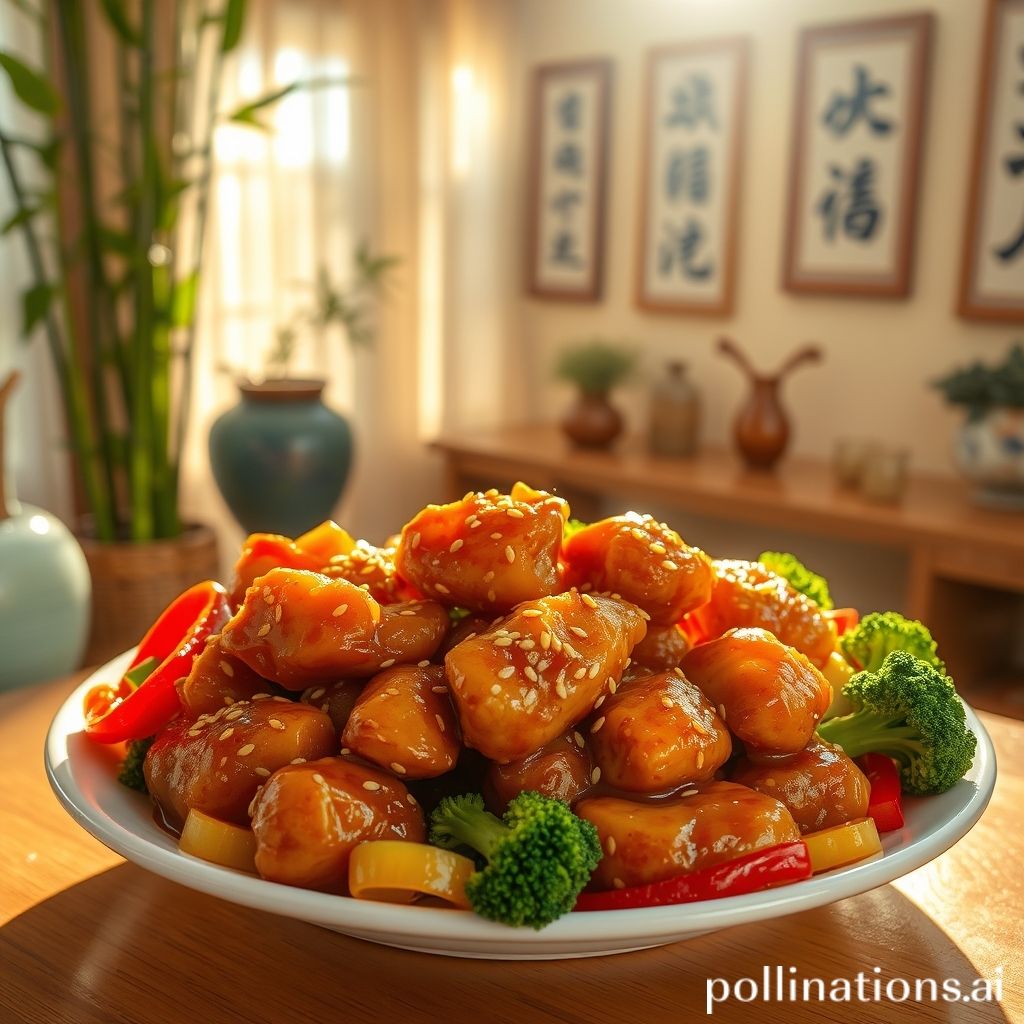
There’s a certain magic that occurs when flavors blend perfectly to create something truly delightful. Enter sticky sesame chicken—a dish that can excite your taste buds while captivating your senses with its juxtaposition of sweet, savory, and a hint of nutty sesame goodness. This culinary marvel not only promises a gastronomic adventure worth embarking upon but also paints a picturesque scene of sizzling chicken glazed to perfection. Imagine this: golden-brown, tender pieces of chicken glistening with a sticky sweet sauce, adorned with a sprinkle of toasted sesame seeds and fresh, vibrant scallions. Your kitchen transforms into a bustling culinary haven, filled with tantalizing aromas as you slowly master the essence of this Asian-inspired delight. If you’re ready to journey through the art of crafting the impeccable, mouthwatering sticky sesame chicken, come along with us as we delve into the secrets, step-by-step guidance, and cherished tips to elevate your cooking experience. Delicious Sticky Sesame Chicken
Prepare to redefine your cooking repertoire, one sticky sesame bite at a time.

Ingredients required for Sticky Sesame Chicken

To prepare Sticky Sesame Chicken, you’ll need a selection of key ingredients that ensure the dish is bursting with flavor and has the perfect sticky texture. Start with boneless, skinless chicken thighs, which are ideal for maintaining juiciness while cooking. Cut them into bite-sized pieces for even cooking and ease of serving.
For the marinade and sauce, gather soy sauce, both light and dark, to incorporate a rich umami flavor. Brown sugar is a crucial element, delivering the signature sweetness that balances the dish. Add freshly minced garlic and ginger for depth and a hint of zest, while rice vinegar introduces a subtle tang. Sesame oil is essential for its nutty aroma, enhancing the overall flavor profile.
To thicken the sauce and achieve the desired stickiness, corn starch mixed with water will perfectly coat the chicken. Toasted sesame seeds play a dual role, contributing both a rich taste and a pleasing garnish. For a touch of color and additional texture, include chopped green onions. These ingredients together create a beautifully balanced dish that’s sure to delight your taste buds.

Step-by-step cooking instructions

Begin by preparing your chicken. Cut boneless, skinless chicken breasts into bite-sized pieces and set them aside. In a bowl, combine cornstarch, salt, pepper, and mix well. Toss the chicken pieces in the cornstarch mixture until they are evenly coated.
Heat a large skillet over medium heat and add a tablespoon of vegetable oil. Once hot, add the chicken in batches, ensuring not to overcrowd the pan. Cook each batch for about 4-5 minutes until the chicken is golden brown and cooked through. Remove the chicken from the skillet and set it aside.
In the same skillet, add another tablespoon of oil if needed and lower the heat. Add minced garlic and ginger, sautéing them for about 1 minute until fragrant. Stir in soy sauce, honey, rice vinegar, and sriracha to create the sauce. Let the mixture simmer for 2-3 minutes.
Return the cooked chicken to the skillet, tossing it in the sauce until each piece is well-coated. Allow the chicken to cook for another 2 minutes to soak in the flavors. Finally, garnish with sesame seeds and chopped green onions before serving. Enjoy your sticky sesame chicken over steamed rice or noodles for a complete meal.

Tips for achieving the perfect texture and flavor

Achieving the perfect texture and flavor for sticky sesame chicken requires attention to detail and a few culinary tricks. Start by selecting high-quality chicken, preferably boneless thighs, for a juicy and tender result. Marinate the chicken in a mixture of soy sauce, garlic, ginger, and a dash of sesame oil to infuse it with deep flavor.

Coat the marinated chicken pieces in cornstarch before frying them. This step ensures a crisp surface that enhances the dish’s texture. Searing the chicken in a hot pan with a neutral oil creates a beautiful golden crust. Once fried, set the chicken aside and focus on the sticky sauce.

The sauce should strike a balance between sweetness and acidity. Combine honey, soy sauce, rice vinegar, and a sprinkle of brown sugar. Let it simmer until it thickens to the desired consistency. Return the chicken to the pan, thoroughly coating it with the sauce. Garnishing with toasted sesame seeds and chopped green onions adds the perfect crunch and freshness.

These steps will ensure that your sticky sesame chicken is not only bursting with flavor but also has that irresistible, mouth-watering texture that makes it a favorite amongst many.

Nutritional benefits and considerations

Sticky Sesame Chicken is more than just a delicious dish; it offers a range of nutritional benefits that can be a part of a balanced diet. This dish is primarily made with chicken, a lean protein source that is essential for muscle growth and repair. Protein also contributes to feelings of fullness, which can be beneficial for weight management. Sesame seeds, another key ingredient, provide healthy fats, particularly polyunsaturated and monounsaturated fats, which are known to support heart health. Additionally, sesame seeds are a good source of essential minerals such as copper, calcium, and iron, contributing to strong bones and improved blood circulation.
However, there are some considerations to keep in mind. The sweet sauce typically used in Sticky Sesame Chicken can be high in sugar, which could impact blood sugar levels if consumed in excess. Sodium levels may also be high due to soy sauce or other condiments used in the preparation, so individuals watching their sodium intake should be mindful. Opting for low-sodium soy sauce and moderating sauce portions can help mitigate these concerns while still enjoying the flavorful experience of Sticky Sesame Chicken.

Pairing suggestions for a complete meal

Pairing Sticky Sesame Chicken with complementary side dishes can elevate your dining experience, making for a well-rounded and satisfying meal. One of the perfect accompaniments is a fluffy bowl of jasmine or basmati rice. The steamed rice absorbs the flavors of the sticky sauce, providing a subtle base that complements the savory and sweet notes of the chicken.

Another excellent pairing is stir-fried vegetables, such as bell peppers, broccoli, and snap peas. These veggies add a crisp texture and a burst of color to your plate, while their fresh flavors balance the rich, sticky glaze of the chicken. For a touch of freshness, consider adding a light cucumber salad with a dash of rice vinegar, offering a refreshing contrast.

If you’re inclined towards noodles, sesame noodles are an ideal choice. Toss them in a bit of sesame oil and soy sauce for a cohesive flavor profile that marries well with the chicken. To top it off, a sprinkle of toasted sesame seeds and sliced green onions on the chicken not only enhances the presentation but also adds an additional layer of flavor.

Variations and substitutions to try

Sticky Sesame Chicken is a versatile dish that welcomes variations and substitutions, allowing you to cater to different taste preferences and dietary needs. One popular variation is to use tofu instead of chicken for a vegetarian option. Simply press and cube the tofu before frying it until golden brown, then coat with the delicious sesame sauce.
For those looking to reduce sodium intake, consider using low-sodium soy sauce or tamari, which is also gluten-free. You can also experiment with the sweetness by replacing honey with maple syrup or agave nectar, offering a unique flavor twist that pairs perfectly with the dish.
If you want to elevate the spice level, adding a drizzle of sriracha or a sprinkle of chili flakes can give the dish an exciting kick.
To add more depth to the flavor, try incorporating fresh ginger or substituting rice vinegar with freshly squeezed lime juice for a tangy zest.
Lastly, you can add extra colors and nutrients by mixing in vegetables like bell peppers, broccoli, or snap peas. These variations ensure that Sticky Sesame Chicken can be adapted to suit any palate or occasion.

Common mistakes to avoid

Cooking Sticky Sesame Chicken can be a delightful culinary adventure, but it’s essential to be mindful of common mistakes that can hinder the dish’s success. One primary error is not marinating the chicken properly. Marinating infuses the meat with flavors, and skipping this step can lead to a bland taste. Ensure the chicken is marinated for at least 30 minutes to an hour.

Another common mistake is overcrowding the pan. When the chicken pieces are too close, they steam rather than crisp, resulting in a less desirable texture. It’s best to cook in batches for evenly cooked and crispyized chicken.

Many also err in the sauce preparation. It’s crucial to achieve the right balance between sweet and savory. Overdoing sugar can overpower the dish, while insufficient sesame oil might not lend the aromatic depth that’s signature to the recipe. Finally, failing to toast the sesame seeds can diminish the nutty flavor that complements the dish so well. Always toast them lightly before garnishing to bring out their full potential.

Avoiding these mistakes paves the way to crafting a perfect Sticky Sesame Chicken, full of rich flavors and satisfying textures.

Recommended tools and equipment for preparation

To create the perfect Sticky Sesame Chicken, having the right tools and equipment in your kitchen can make a significant difference. A sharp chef’s knife is essential for cutting chicken into even, bite-sized pieces ensuring consistent cooking. Alongside this, a sturdy cutting board will help maintain precision and safety during preparation.
Using a large non-stick frying pan or wok will allow the chicken to cook evenly and develop a desirable crispy exterior. The depth of a wok is particularly useful when tossing and coating the chicken with the sticky sesame sauce.
A whisk or small spatula is recommended for stirring the sauce ingredients together, ensuring they combine smoothly without any lumps. A pair of tongs will come in handy for flipping the chicken pieces or transferring them with ease.
Lastly, consider using measuring spoons and cups for accurately portioning ingredients, particularly when working with soy sauce, sesame oil, and honey, as precise measurements can greatly influence the dish’s flavor balance. With these tools in place, you’ll be well prepared to create a delicious and flavorful Sticky Sesame Chicken.

Conclusion

As our culinary journey through the delectable world of Sticky Sesame Chicken comes to a close, it’s clear that mastering this dish not only satisfies a craving for bold flavors but also enriches your kitchen repertoire with a versatile and crowd-pleasing recipe. Whether you’re new to the art of cooking or a seasoned chef, the process of crafting this dish presents an enjoyable challenge that rewards with every succulent bite. From understanding the importance of the right ingredients and equipment to avoiding common pitfalls, this exploration lays a strong foundation for endless creativity in the kitchen.

For those eager to delve deeper into the realm of chicken dishes and elevate their cooking skills to new heights, there’s no better resource than The Chicken Bible: Say Goodbye to Boring Chicken with 500 Recipes for Easy Dinners, Braises, Wings, Stir-Fries, and So Much More. This comprehensive guide offers not just recipes but insights and tips to ensure each chicken creation is a culinary triumph. Don’t miss the chance to transform your dinners into extraordinary culinary experiences. Grab your copy today by visiting this link and embark on a delicious journey through the world of chicken. Let your kitchen be a place of innovation and taste surprises!

Frequently Asked Questions

What is Sticky Sesame Chicken?

Sticky Sesame Chicken is a popular dish featuring chicken pieces coated in a sweet and savory sauce made with soy sauce, honey, sesame oil, and garnished with sesame seeds.

How do you make the sauce for Sticky Sesame Chicken?

The sauce is typically made by combining soy sauce, honey, sesame oil, garlic, and sometimes ginger. It is cooked until thickened and then tossed with the chicken.

Can I use chicken breast for Sticky Sesame Chicken?

Yes, chicken breast can be used, although chicken thighs are often preferred for their juiciness and flavor.

Is Sticky Sesame Chicken spicy?

It is not traditionally spicy, but you can add chili flakes or a dash of sriracha to the sauce for some heat if desired.

Can I make Sticky Sesame Chicken ahead of time?

Yes, you can make it ahead of time. Store it in the refrigerator and reheat gently before serving to maintain its texture and flavor.

Categories
chicken recipes

Irresistibly Delicious: Mastering the Art of Sticky Sesame Chicken at Home

Table of Contents

Introduction

Imagine biting into a piece of chicken so tender and juicy, it melts in your mouth, coated in a sticky, savory, and sweet sesame glaze. The good news is, you don’t need to rely on takeout or dining out to enjoy such a treat—you can master the art of Sticky Sesame Chicken right in your own kitchen!

Ingredients:
– 1 lb of chicken thighs, cut into bite-sized pieces
– 1/3 cup of soy sauce
– 1/4 cup of honey
– 2 tablespoons of sesame oil
– 2 tablespoons of brown sugar
– 1 tablespoon of rice vinegar
– 2 cloves of garlic, minced
– 1 tablespoon of grated fresh ginger
– 1 tablespoon of cornstarch
– 1/4 cup of water
– 2 tablespoons of sesame seeds
– 2 scallions, chopped for garnish

Wave goodbye to bland dinners and say hello to a burst of flavors in your own home. With its perfect balance of sweetness, saltiness, and a hint of tanginess, this dish is sure to become a household favorite, impressing both family and guests. Dive into the secrets of creating the perfect glaze and achieving that delightful stickiness, all while keeping your cooking experience enjoyable and fulfilling.

Irresistibly Delicious Sticky Sesame Chicken

Origin and Inspiration Behind Sticky Sesame Chicken

Sticky Sesame Chicken, a popular dish in various parts of the world, has roots steeped in Asian culinary traditions. It draws inspiration particularly from Chinese and Korean cuisines, which are known for their rich flavors and innovative use of ingredients. The dish embodies the quintessential Asian cooking philosophy, which emphasizes the balance of sweet, savory, and tangy flavors. The ‘stickiness’ in the dish refers to the glossy, thick sauce that coats the chicken, typically made from soy sauce, honey, or brown sugar, and a touch of rice vinegar or mirin for acidity.

While the exact origin of Sticky Sesame Chicken is somewhat ambiguous, its evolution can be traced back to the integration of culinary methods from the East and West. As globalization expanded, recipes like this became a fusion of traditional techniques with modern tastes. The sesame seeds, often toasted to bring out their nutty essence, add an aromatic crunch to the dish, enhancing both texture and visual appeal. This dish has become a staple in many Asian-style restaurants and is enjoyed by people seeking both comfort and an exotic taste.

Key Ingredients and Flavor Profile

Sticky Sesame Chicken is a delightful dish known for its rich and balanced flavor profile that perfectly marries sweet, savory, and umami tastes. At the heart of this dish are several key ingredients that come together to create its signature taste.
Chicken, typically thigh or breast meat, serves as the protein base, providing a tender and juicy texture. Soy sauce contributes a salty, savory flavor, while sesame oil adds a nutty aroma and depth. Honey or brown sugar introduces a layer of sweetness that complements the soy sauce’s saltiness.
Rice vinegar or lemon juice is often added to provide a touch of acidity, brightening the overall flavor. Garlic and ginger are essential aromatics, imbuing the dish with pungent, zesty undertones. Sesame seeds, either white or black, are sprinkled on top, enhancing both the texture and the visual appeal.
Often, a bit of chili or red pepper flakes is included to offer a subtle heat, balancing the sweetness and savory elements. These ingredients combine to produce a harmonious blend that’s both comforting and exciting to the palate, making Sticky Sesame Chicken a beloved choice among many cuisines.

Step-by-Step Cooking Method

To prepare a flavorful Sticky Sesame Chicken, start by gathering all your ingredients. Begin by cutting the chicken into bite-sized pieces, ensuring even cooking. In a mixing bowl, combine soy sauce, sesame oil, honey, and a dash of garlic powder. Whisk these ingredients together to form a savory marinade. Add the chicken pieces to the bowl, coating them thoroughly, and let them marinate for at least 20 minutes.

While the chicken marinates, prepare a skillet or wok by heating a small amount of vegetable oil over medium-high heat. Once heated, add the chicken pieces to the skillet, discarding any excess marinade. Stir-fry the chicken, ensuring it turns golden brown and cooks through, which usually takes about 5-7 minutes.

To enhance the flavor, sprinkle sesame seeds generously over the chicken as it cooks. For added spice, introduce red pepper flakes according to your taste preference. Once the chicken is cooked to perfection and the sauce has achieved a slightly sticky consistency, remove the skillet from the heat.

Garnish the dish with chopped green onions for a fresh touch. Serve your Sticky Sesame Chicken hot with steamed rice or your choice of vegetables for a complete and satisfying meal.

Pairing Suggestions and Serving Ideas

Sticky Sesame Chicken is a versatile dish that can be paired with a variety of sides to create a well-rounded meal. One classic pairing is steamed jasmine or basmati rice, which complements the robust flavors of the sesame sauce and absorbs the dish’s rich, sticky glaze. For a low-carb alternative, try serving it with cauliflower rice to maintain the satisfying texture while keeping the calories in check.
Additionally, a vibrant fresh salad with ingredients like cucumbers, peppers, and carrots can add a crunchy contrast to the tender chicken and provide a burst of freshness that balances the dish’s savory notes. For those who prefer a more traditional Asian-inspired meal, consider serving the Sticky Sesame Chicken alongside stir-fried vegetables such as broccoli, snow peas, or bok choy for added nutritional value and flavor variety.
Don’t forget to sprinkle some toasted sesame seeds over the dish for an extra nutty flavor and appealing presentation. Garnishing with sliced green onions or a handful of fresh cilantro can elevate the dish, introducing an herbaceous touch that enhances its taste profile. Experimenting with different pairings can help customize the meal to your personal preferences and elevate this delicious dish to new culinary heights.

Tips for Perfecting Sticky Sesame Chicken

Creating the ultimate Sticky Sesame Chicken involves attention to detail at each step of the preparation. Begin by selecting high-quality chicken, preferably boneless thighs, as they tend to remain juicy and flavorful. Proper marination is crucial; allow the chicken to rest in a mixture of soy sauce, garlic, ginger, and a little sesame oil for at least 30 minutes before cooking. This ensures the meat absorbs the flavors thoroughly.

When it comes to cooking, achieving the right texture requires quick and even frying. Use a hot skillet or wok, and cook the chicken in small batches to prevent overcrowding, which can result in steaming rather than searing. For the sauce, balancing sweet and savory elements is key; consider using honey, soy sauce, and rice vinegar as your base, enhancing it with a touch of chili paste for heat if desired.

Finally, garnish with fresh sesame seeds and finely chopped green onions. Toss the chicken to coat evenly, and let it rest briefly before serving to allow the sauce to thicken naturally. These small details can elevate your dish from satisfactory to spectacular, delighting guests with its rich taste and delightful texture.

Variations and Customization Options

Sticky Sesame Chicken is a versatile dish that allows for numerous variations and customization options, catering to different taste preferences and dietary needs. One popular variation is substituting chicken with tofu or tempeh for a vegetarian version, which still retains the dish’s essential flavors.

For those who enjoy a bit of heat, adding a dash of red pepper flakes or a spoonful of sriracha can spice up the dish without overpowering its savory notes. You might also experiment with different sweeteners, such as honey or maple syrup, to add a distinctive touch.

On the seasoning front, incorporating elements like ginger or garlic can further enrich the flavor profile. Adjusting the sauce’s thickness with more cornstarch slurry can create a glossier and more luxurious coating.

When it comes to serving, Sticky Sesame Chicken pairs well with a variety of sides. Try serving it with steamed jasmine rice, quinoa, or even cauliflower rice for a lower-carb option. Garnishing with fresh herbs like cilantro or green onions can add a refreshing contrast to the savory-sweet chicken. The possibilities are virtually endless, allowing each cook to make the dish uniquely their own while retaining its crowd-pleasing qualities.

Nutritional Benefits and Considerations

Sticky Sesame Chicken is a delightful dish that combines both savory and sweet flavors, offering a satisfying culinary experience. While it is undeniably delicious, understanding its nutritional benefits and considerations is essential for those mindful of their dietary habits. Chicken is a lean source of protein, vital for muscle growth and repair, and is generally low in fat, making it a healthy choice for protein intake. The sesame seeds add a nutty flavor and introduce healthy fats, particularly omega-6 fatty acids, which are crucial for brain health.

However, the dish often contains significant amounts of sugars in its sauce, which can contribute to higher calorie content. It’s important to be aware of the sodium level too, as soy sauce, a common ingredient, can be high in sodium, impacting blood pressure if consumed in excess. For those monitoring their salt intake, opting for low-sodium soy sauce is a healthy adjustment. Balancing the dish with plenty of fresh vegetables can help increase its nutritional value, providing essential vitamins and fiber. Being conscious of portion sizes can also ensure enjoyment without overconsumption. Moderation and balance are key when savoring Sticky Sesame Chicken as part of a nutritionally aware lifestyle.

Feedback and Popularity Among Food Enthusiasts

Sticky Sesame Chicken has gained notoriety among food enthusiasts, becoming a beloved dish in various culinary circles. Its popularity is largely due to its perfectly balanced flavors and delightful texture. The feedback from those who have tried it is overwhelmingly positive, with many noting the sweet, savory, and slightly tangy profile that appeals to a wide range of palates.

Food critics and bloggers frequently highlight its simplicity and quick preparation time, making it an ideal choice for both weeknight dinners and elegant gatherings. The sesame seeds add a subtle nutty flavor that complements the sticky glaze, while the juicy chicken serves as a hearty base. These aspects have collectively contributed to its rising fame.

In feedback forums and online cooking communities, Sticky Sesame Chicken is often cited as a ‘must-try’ recipe for home cooks looking to replicate restaurant-quality dishes. Its adaptability also allows for personalization, with many adding their own twist by incorporating different spices or vegetables. Overall, the dish’s versatile nature and delicious taste make it a staple in many households, continually earning praise from seasoned chefs and novice cooks alike.

Conclusion

In mastering the art of Sticky Sesame Chicken, we’ve delved into the origins, flavors, and textures that make this dish captivating. From understanding its Asian culinary roots to perfecting the intricate balance of sweet and savory elements, this journey empowers you to recreate this delightful dish with confidence and flair. With the right ingredients and attention to detail, Sticky Sesame Chicken transforms into a restaurant-quality experience right in your kitchen.
As you enhance your home-cooking repertoire, it’s essential to keep exploring and expanding your culinary skills. If you’re ready to elevate your chicken dishes to new heights, we highly recommend “The Chicken Bible: Say Goodbye to Boring Chicken with 500 Recipes for Easy Dinners, Braises, Wings, Stir-Fries, and So Much More“. This book offers a wealth of ideas and inspiration, guiding you through a vast array of chicken recipes that are anything but ordinary.
Don’t miss the opportunity to bring excitement to your table with every meal you prepare. Order your copy today and say goodbye to mediocre chicken forever!

Frequently Asked Questions

What is Sticky Sesame Chicken?

Sticky Sesame Chicken is a popular Asian-inspired dish featuring chicken coated in a sticky, sweet, and savory sesame sauce.

What ingredients are typically used in Sticky Sesame Chicken?

Common ingredients include chicken breast or thighs, soy sauce, honey, garlic, ginger, sesame oil, and sesame seeds.

How can I make Sticky Sesame Chicken healthier?

To make it healthier, you can use less sugar, opt for low-sodium soy sauce, and choose skinless chicken breast instead of thighs.

Can I make this dish ahead of time?

Yes, Sticky Sesame Chicken can be made ahead of time and stored in the refrigerator for up to 3 days. Reheat it on the stovetop or in the microwave before serving.

What can I serve with Sticky Sesame Chicken?

Sticky Sesame Chicken pairs well with steamed rice or quinoa, and a side of steamed or roasted vegetables like broccoli or bell peppers.

Categories
chicken recipes

Sizzle and Spice: Mastering the Perfect Chicken and Vegetable Stir-Fry

Table of Contents

Introduction

A delicious chicken and vegetable stir-fry

Ingredients:

  • 2 tablespoons vegetable oil
  • 1 pound skinless, boneless chicken breast, cut into strips
  • 1 red bell pepper, sliced
  • 1 cup broccoli florets
  • 2 cloves garlic, minced
  • 2 tablespoons soy sauce
  • 1 tablespoon oyster sauce
  • 1 teaspoon sesame oil
  • Salt and pepper to taste
  • Cooked rice or noodles for serving

Embark on a culinary adventure that takes your taste buds on a whirlwind tour through the vibrant flavors of Asia, with a dish that perfectly blends simplicity and sophistication. The chicken and vegetable stir-fry is a staple in countless kitchens around the world, celebrated for its quick preparation, nutritious ingredients, and irresistible taste.

The beauty of this dish lies in its versatility—every sizzling bite a medley of textures, colors, and aromas that dance together in perfect harmony. Whether you’re a seasoned home chef or a kitchen novice, mastering the art of stir-fry is an essential skill that unlocks endless possibilities in your culinary repertoire. So warm up that wok, and get ready to discover the secrets of achieving crispy vegetables and tender, flavorful chicken enveloped in a glaze of savory sauces. Prepare to turn up the heat and dive into the world of ‘Sizzle and Spice,’ where every meal is a masterpiece!

Essential Ingredients for Chicken and Vegetable Stir-Fry

Creating a delicious chicken and vegetable stir-fry begins with selecting the right ingredients. The foundational element is, of course, the chicken. Opt for boneless, skinless chicken breast or thighs as they cook quickly and remain tender. Fresh vegetables add vibrant color and crisp texture to the dish. Popular choices include bell peppers, broccoli, carrots, and snap peas, all of which complement each other in flavor and appearance.

Equally important are the aromatics, which enhance the dish’s overall flavor profile. Garlic and ginger are staple ingredients, lending a fragrant and zesty kick. Soy sauce acts as a cornerstone for the savory sauce that coats the ingredients, but for added depth, consider incorporating sesame oil, which imparts a nutty undertone.

For those who enjoy a hint of heat, adding sliced chili peppers or a dash of red pepper flakes can heighten the spice level. Additionally, cornstarch is often used to thicken the sauce, giving it a glossy finish. Finally, garnish the stir-fry with scallions or sesame seeds for an extra touch of flavor and texture. With these essential ingredients, your chicken and vegetable stir-fry will be a flavorful and satisfying dish.

Preparation and Cooking Tips

Creating a delicious chicken and vegetable stir-fry starts with selecting the best ingredients. Opt for fresh, vibrant vegetables such as bell peppers, broccoli, and snap peas, which not only add color but also enhance the dish’s nutritional value. Slice your chicken thinly to ensure it cooks quickly and evenly, maximizing its flavor and tenderness. Marinating the chicken in soy sauce, ginger, and garlic can amplify its taste, making it even more delightful.

When you’re ready to cook, ensure your wok or pan is perfectly heated before adding your ingredients, as this will prevent sticking and help vegetables retain their crispness. Cook the chicken first until it is beautifully browned and remove it before stir-frying the vegetables. By doing this, you avoid overcooking the chicken while ensuring your veggies are cooked to perfection.

Avoid overcrowding the pan, as it can lead to steaming rather than stir-frying, causing sogginess. Use a high smoke point oil, such as canola or peanut oil, to achieve best results. Finally, toss everything together with your sauce of choice, making sure all components are well-coated. Serve immediately for the freshest taste experience.

Health Benefits of Chicken and Vegetable Stir-Fry

Chicken and vegetable stir-fry is not only a delicious dish but also offers numerous health benefits, making it a fantastic choice for a balanced diet. One of the primary advantages is its high protein content. Chicken, being a lean meat, provides a significant amount of protein essential for muscle growth and repair, while being lower in saturated fat compared to red meats. This makes it an excellent option for those looking to maintain or lose weight.

Vegetables, the other key component of this dish, contribute essential vitamins and minerals. They are rich in dietary fiber, promoting healthy digestion and helping to prevent constipation. Including a variety of vegetables like bell peppers, broccoli, and carrots not only adds vibrant colors but also ensures a diverse intake of antioxidants. These antioxidants play a crucial role in protecting the body from harmful free radicals and reducing the risk of chronic diseases.

Stir-frying, the method used in preparing this dish, is a quick cooking technique that helps retain the nutrients in the ingredients. It requires minimal oil, reducing added fats, and making the dish lighter and healthier overall. Thus, incorporating chicken and vegetable stir-fry into your diet can contribute to overall well-being, enhancing both physical health and vitality.

Variations and Customization Ideas

Chicken and vegetable stir-fry is a versatile dish that can be easily customized to suit individual preferences and dietary needs. One straightforward variation is swapping chicken for other proteins like beef, shrimp, or tofu, catering to different tastes and dietary restrictions. Vegetables can also be varied according to what’s in season or available in your kitchen. Popular choices include bell peppers, broccoli, snow peas, or mushrooms, each adding unique textures and flavors. For a spicy kick, consider adding sliced jalapeños or a splash of hot sauce, while a sprinkle of sesame seeds or chopped scallions can add an exciting layer of flavor and garnish.

If you’re inclined towards a more Asian-inspired taste, try using sauces like hoisin, oyster, or teriyaki instead of the classic soy sauce. Adding a teaspoon of grated ginger or minced garlic can further enhance the dish’s aroma and complexity. For those watching their carb intake, substituting traditional rice with cauliflower rice or zucchini noodles offers a low-carb alternative that still complements the dish beautifully.

Finally, for those looking to increase their meal’s protein content, tossing in some cashews or peanuts can provide both a delightful crunch and added nutritional benefits. With endless possibilities, this stir-fry remains a dynamic, satisfying meal for any occasion.

Pairing Suggestions: What to Serve with Chicken and Vegetable Stir-Fry

Enhancing the flavors of chicken and vegetable stir-fry can be achieved by choosing the right sides to complement your meal. A popular choice is steamed jasmine or basmati rice, as its subtle flavor doesn’t overpower the stir-fry’s vibrant taste. If you’re looking for a healthier option, cauliflower rice can be a nutritious alternative.

No stir-fry is complete without indulge-worthy appetizers. Consider serving spring rolls or dumplings for a delightful starter that complements the meal’s Asian influence. These tasty bites expand the flavor palette and provide additional textures.

If you’re in the mood for noodles, egg noodles or soba noodles can pair exceptionally well. Their slightly chewy texture adds depth and they can be easily tossed into the stir-fry to soak up the delicious sauce.

For drinks, opting for green tea can enhance your dining experience, offering a refreshing and cleansing note to contrast the stir-fry’s rich flavors. Alternatively, a light white wine like Sauvignon Blanc or a crisp, cold beer can increase the enjoyment of your meal.

These pairing suggestions contribute to a balanced and enjoyable meal experience, turning a simple chicken and vegetable stir-fry into a memorable feast.

Common Mistakes to Avoid

When preparing a chicken and vegetable stir-fry, there are several common mistakes that can easily be avoided to ensure a delicious outcome. One of the primary errors is not prepping ingredients before starting to cook. A stir-fry is a quick cooking method, so having vegetables, chicken, and sauces ready beforehand is crucial.
Another mistake is overcrowding the pan which leads to steaming instead of frying. For best results, cook in batches and ensure the pan is hot enough for a proper sear. Additionally, not cutting ingredients uniformly can result in uneven cooking. Uniform size ensures everything cooks at the same rate, providing the perfect texture.
Furthermore, using the wrong type of oil is another error. Oils with low smoke points can break down at high temperatures used in stir-frying, affecting the flavor. Opt for oils like canola or peanut oil with higher smoke points.
Finally, adding sauce too early can lead to soggy vegetables and a loss of vibrant flavors. It’s best to add sauces at the end, allowing them to coat and infuse the cooked ingredients without overpowering them. Avoiding these common pitfalls will lead to a delicious and perfectly cooked chicken and vegetable stir-fry every time.

Recommended Kitchen Tools for Stir-Fry

Creating a perfect chicken and vegetable stir-fry requires a few essential kitchen tools that not only make the process easier but also enhance the dish’s quality. First and foremost, a wok is indispensable for stir-frying. The shape of a wok allows for even heat distribution, which is crucial for quickly cooking ingredients while preserving their texture and flavor. If a wok is not available, a heavy-duty skillet can also do the trick.
Another important tool is a sharp chef’s knife, essential for cutting chicken and vegetables into uniform pieces to ensure even cooking. A cutting board dedicated to meats can prevent cross-contamination and keep flavors distinct.
Additionally, a spatula or wok turner specifically designed for stir-fry can be very useful. The wide surface and angled edges help toss and turn ingredients effortlessly, ensuring they cook evenly.
A heat-resistant pair of tongs can be handy for flipping pieces of chicken or transferring food, offering better control and preventing burns. Lastly, having a set of mixing bowls can organize all your chopped ingredients efficiently, allowing you to focus on the cooking process without delay.
Equipping your kitchen with these tools can greatly improve your stir-fry cooking experience.

How to Store and Reheat Leftovers

When it comes to storing and reheating leftovers from your chicken and vegetable stir-fry, taking the right steps can help maintain flavor and texture. Properly storing leftovers starts with letting them cool at room temperature for about an hour. Once they are sufficiently cool, transfer them into airtight containers to preserve freshness. Placing a paper towel over the stir-fry in the container before sealing helps absorb moisture and keeps the texture just right. Always label the containers with the date to track shelf life. Store them in the refrigerator for up to three days.
To reheat, consider using a skillet for best results. Heat some oil in a skillet over medium heat, then add the leftovers, stirring occasionally until heated through. This method helps maintain the dish’s original flavors and prevents it from becoming soggy. If you’re short on time, you may use a microwave, but it’s crucial to stir the stir-fry halfway through the heating process to ensure even distribution of heat. Always ensure the chicken is reheated to an internal temperature of 165°F (74°C) to ensure food safety. These simple steps make it easy to enjoy your chicken and vegetable stir-fry even after a couple of days.

Conclusion

In conclusion, mastering the art of chicken and vegetable stir-fry not only elevates your culinary skills but also provides a delicious, health-conscious addition to your meal repertoire. With the essential tips, creative variations, and thoughtful pairing suggestions discussed, you’re well-equipped to craft a stir-fry that caters to all tastes and dietary needs. To further expand your cooking horizons and conquer the art of chicken dishes, don’t miss out on The Chicken Bible. This comprehensive guide, featuring 500 recipes for easy dinners, flavorful braises, irresistible wings, and sassy stir-fries, offers an endless array of mouthwatering inspirations. Unleash your cooking potential and say goodbye to boring chicken forever by purchasing your copy today from the following link: The Chicken Bible on Amazon. Transform your kitchen journeys with flavors that excite and meals that delight!

Frequently Asked Questions

What ingredients are typically used in a Chicken and Vegetable Stir-Fry?

Common ingredients include chicken breast, a mix of vegetables like bell peppers, broccoli, and carrots, soy sauce, garlic, ginger, and sesame oil.

How long does it usually take to cook Chicken and Vegetable Stir-Fry?

It typically takes about 20-30 minutes, with 10-15 minutes for preparation and the same amount of time for cooking.

Can I use frozen vegetables for Chicken and Vegetable Stir-Fry?

Yes, frozen vegetables can be used, but it is best to thaw them first and drain any excess water to avoid a soggy stir-fry.

What can I serve with Chicken and Vegetable Stir-Fry?

It is often served with rice or noodles, such as jasmine rice or lo mein noodles, to make a complete and satisfying meal.

Can I make this dish vegetarian?

Yes, you can replace the chicken with tofu or another plant-based protein for a vegetarian version.

Categories
chicken recipes

Mastering Chicken Piccata: Tips and Tricks for a Perfect Italian Classic

Table of Contents

Introduction

Chicken Piccata

Get ready to tantalize your taste buds with a timeless Italian classic: Chicken Piccata. This beloved dish has long been cherished for its delightful balance of flavors, where tender chicken breasts meet a zesty lemon and buttery caper sauce. If you’ve ever wondered how to perfect this quintessential recipe, you’re in the right place. Journey with us as we uncover the essential tips and tricks that promise to elevate your Chicken Piccata game from ordinary to extraordinary. Whether you’re a seasoned home chef or just beginning your culinary adventures, the keys to mastering this iconic dish are within your grasp, waiting to bring some authentic Italian flair to your table. With the right ingredients, techniques, and a few secret approaches, you’ll be able to whip up a Chicken Piccata that rivals any Italian trattoria’s offering. So, tie on your apron and prepare to embark on a delicious journey towards culinary mastery that will have your friends and family singing your praises!

Origins of Chicken Piccata

Chicken Piccata, a delectable and tangy dish, originated in Italy, where the term “piccata” is used to refer to food that is cooked in a sauce of lemon, butter, and spices. Traditional piccata involves veal; however, the more commonly known chicken version is a relatively modern innovation, likely developed by Italian immigrants in the United States. These immigrants adapted their traditional recipes using locally available ingredients, and chicken was more accessible than veal in many areas.

The dish typically features thinly sliced chicken breast fillets, dredged in flour, pan-fried, and then served with a sauce made from lemon juice, capers, white wine, and butter. This preparation highlights the signature Italian technique of balancing flavors to achieve a dish that is both simple and sophisticated.

As Italian-American cuisine gained popularity, Chicken Piccata became a beloved staple in both home kitchens and restaurants across the United States. It embodies the cross-cultural culinary fusion that defines much of Italian-American cuisine. Today, Chicken Piccata continues to be appreciated for its refreshing lemon flavor and straightforward preparation, making it a favorite among home cooks and professional chefs alike.

Key Ingredients: Lemon, Capers, and Garlic

Chicken Piccata is a classic Italian dish renowned for its delicate balance of tangy and savory flavors, achieved through a harmonious blend of key ingredients, including lemon, capers, and garlic. The citrusy zest of lemon is indispensable in this recipe, as it provides a sharp and fresh acidity that cuts through the richness of the dish. Lemon juice is typically combined with chicken broth to create a vibrant sauce that envelops the chicken cutlets.
Another essential component is capers, which lend a briny and slightly floral flavor profile. These small, pickled flower buds add a burst of saltiness that enhances the overall savory essence of the dish. Capers not only contribute to the dish’s complexity but also offer a unique texture that complements the tender chicken.
Garlic plays a crucial role in infusing the dish with aromatic depth. When sautéed, garlic releases a pungent and slightly sweet aroma that enriches the sauce, tying all the elements together. Its subtle heat provides just the right amount of spice to complement the zesty lemon and piquant capers. Together, these ingredients form the cornerstone of a Chicken Piccata, bringing a taste of Italy to your table.

Step-by-Step Preparation Guide

Chicken Piccata is a delightful dish that’s both tangy and savory. To begin, gather your ingredients: boneless chicken breasts, flour, salt, pepper, olive oil, butter, lemon juice, chicken broth, capers, and fresh parsley.
Start by cutting the chicken breasts in half horizontally, ensuring they cook evenly. Season the pieces with salt and pepper, then dredge them in flour. In a large pan, heat olive oil and butter over medium-high heat. Sauté the chicken until golden brown on each side, then remove and set aside.
In the same pan, add more butter and sauté garlic until fragrant. Pour in chicken broth and lemon juice, scraping the pan’s bottom to deglaze. Bring the sauce to a simmer, then return the chicken to the pan. Allow it to cook in the sauce for about five minutes.
Add capers for an extra burst of flavor. Finally, garnish with freshly chopped parsley before serving. The end result is a beautifully balanced dish with succulent chicken and a vibrant sauce that’s perfect for pairing with pasta or a fresh salad. Enjoy the medley of flavors that Chicken Piccata offers!

Variations and Serving Suggestions

Chicken Piccata is a versatile dish that can be adapted to suit various tastes and dietary needs. One popular variation is to substitute the chicken with veal, creating a classic Veal Piccata. For those seeking a seafood option, shrimp can also be used in place of chicken, offering a delicate and flavorful alternative. Vegetarians can enjoy the dish by replacing the chicken with tofu or a medley of vegetables like zucchini and mushrooms. The core flavors of lemon, capers, and butter remain constant, ensuring the dish retains its signature tangy and savory profile.

When it comes to serving suggestions, Chicken Piccata pairs beautifully with a range of sides. It is traditionally served with pasta, such as angel hair or linguine, which soaks up the luscious sauce perfectly. For a lighter accompaniment, consider serving it with a side of steamed asparagus or a fresh green salad. Rice or mashed potatoes also offer a comforting base to complement the vibrant flavors of the piccata. Garnishing the dish with fresh parsley and lemon slices not only enhances its visual appeal but also adds an additional burst of freshness. With so many variations and serving options, Chicken Piccata remains a beloved, adaptable dish suitable for any occasion.

Pairing Chicken Piccata with Wines

Pairing wine with Chicken Piccata can elevate the dining experience by complementing its bright and savory flavors. The dish is typically made with a tangy lemon-caper sauce, requiring a wine that can hold up to its zestiness without overpowering it.

When selecting a wine, consider a crisp white option such as Sauvignon Blanc. Its citrus notes and acidity match well with the lemon in the dish, creating a harmonious balance. Alternatively, a Pinot Grigio provides a more neutral palate, allowing the flavors of the piccata to shine while adding a refreshing touch.

If you prefer red wine, opt for a light-bodied option like Pinot Noir. Its subtle fruitiness and lower tannins complement the dish without clashing with the sharpness of the capers. Chardonnay lovers might choose an unoaked variety to maintain the dish’s fresh feel while still enjoying a touch of richness.

For those willing to venture beyond the traditional, a sparkling wine or Champagne can offer an exciting pairing. The bubbles cleanse the palate between bites, enhancing the meal’s overall experience. Ultimately, the key is selecting a wine that complements the bright and zesty elements of Chicken Piccata.

Common Mistakes and How to Avoid Them

When preparing Chicken Piccata, there are common mistakes that can compromise the dish’s flavor and texture. A common pitfall is overcooking the chicken, which results in a dry and tough texture. To avoid this, ensure the chicken is pounded to an even thickness before cooking, allowing it to cook evenly and quickly. Another mistake is neglecting to properly season the chicken. Salt and pepper should be applied generously before cooking to enhance the flavor.

Using too much flour is another error to avoid. Lightly dredge the chicken in flour, shaking off excess, to achieve a crisp texture without overwhelming the delicate lemon-butter sauce. Speaking of sauce, it is crucial to get the balance right. The sauce should not be too lemony or too buttery. Taste it as you go, adding lemon and butter incrementally to find the perfect harmony.

Finally, neglecting to deglaze the pan after cooking the chicken can lead to a lackluster sauce. Use white wine or chicken broth to deglaze, scraping up those flavorful bits to incorporate into the sauce. By attentively addressing these details, your Chicken Piccata will be both flavorful and harmonious.

Nutritional Information

Chicken Piccata is a dish that not only tantalizes the taste buds but also offers considerable nutritional benefits. A typical serving of Chicken Piccata, which is approximately 6 ounces, contains roughly 320 calories. This serving size usually includes pan-fried chicken breast accompanied by a zesty lemon-butter sauce with capers.

From a macronutrient perspective, Chicken Piccata provides about 30 grams of protein, making it an excellent source of lean protein which is essential for muscle repair and growth. The dish contains approximately 20 grams of fat, primarily from the butter and olive oil used in the sauce. Of this, about 6 grams are saturated fats. There are typically around 5 carbohydrates per serving, largely added by the flour used in the dredging process.

Chicken Piccata is also a good source of micronutrients. It offers vitamins such as vitamin A and C, and minerals like potassium and iron, which are integral for maintaining overall health. Furthermore, the addition of lemon juice provides vitamin C, known for boosting the immune system, while capers contribute trace minerals like calcium and magnesium.

Frequently Asked Questions about Chicken Piccata

Chicken Piccata is a classic Italian dish known for its rich flavors and simplicity. Many people wonder about the origin of Chicken Piccata. Traditionally, piccata refers to a method of preparing food where meat is sliced, sautéed, and served in a sauce. The dish is originally made with veal, but chicken has become an equally popular choice. The key ingredients typically include chicken breasts, lemon juice, capers, and butter.
Another common question is how to get the chicken to be perfectly tender and flavorful. The secret lies in pounding the chicken breasts to an even thickness before cooking them, which ensures even cooking and absorbs the flavors of the sauce wonderfully.
A question often asked by home cooks is whether substitutions can be made, for instance, using gluten-free flour or low-sodium broth. The good news is that Chicken Piccata is highly adaptable. One can easily use gluten-free flour or adjust seasoning levels according to dietary preferences without compromising on the taste.
Lastly, people often inquire about serving suggestions. Chicken Piccata pairs excellently with pasta, particularly angel hair or spaghetti, as well as with steamed vegetables, making for a well-rounded meal.

Conclusion

Mastering Chicken Piccata is a journey into the heart of Italian cuisine, where the harmonious blend of lemon, capers, and garlic creates a symphony of flavors. By understanding the origins, carefully selecting the key ingredients, and following a precise preparation guide, you can produce a dish that is both timeless and adaptable. Whether you prefer the classic version or any of its variations, Chicken Piccata shines as a testament to culinary simplicity and artistry. As you’ve explored tips to avoid common mistakes and learned about delightful wine pairings, you’re now equipped to elevate this dish to new heights. To further expand your culinary repertoire, consider adding The Chicken Bible: Say Goodbye to Boring Chicken with 500 Recipes for Easy Dinners, Braises, Wings, Stir-Fries, and So Much More to your cookbook collection. Unlock a world of chicken recipes that promise variety and flavor with this comprehensive guide. Purchase your copy today and say goodbye to boring chicken meals forever.

Frequently Asked Questions

What is Chicken Piccata?

Chicken Piccata is an Italian dish featuring chicken breasts cooked in a flavorful lemon and butter sauce, often accompanied by capers and parsley.

What ingredients are typically used in Chicken Piccata?

The key ingredients in Chicken Piccata are chicken breasts, lemon juice, butter, capers, flour, and chicken stock. Additional ingredients can include white wine and fresh parsley.

Can Chicken Piccata be made gluten-free?

Yes, Chicken Piccata can be made gluten-free by using a gluten-free flour blend or cornstarch to coat the chicken before cooking.

What sides pair well with Chicken Piccata?

Chicken Piccata pairs well with sides like pasta, mashed potatoes, or sautéed vegetables such as asparagus or green beans.

How long does it take to prepare Chicken Piccata?

Chicken Piccata typically takes about 30 minutes to prepare, making it a relatively quick and easy meal to make for dinner.

Categories
chicken recipes

Spice Up Your Dinner Table with Sumptuous Coconut Curry Chicken

Table of Contents

Introduction

Sumptuous Coconut Curry Chicken

Discover a world of flavors with our Coconut Curry Chicken recipe that’s set to transform your dinner routine. Featuring a rich blend of ingredients and bursting with tropical charm, every bite promises a wave of aromatic bliss.

Ingredients:
1 tablespoon coconut oil
1 onion, chopped
2 cloves garlic, minced
1 inch ginger, grated
1 tablespoon curry powder
1 teaspoon turmeric
1 pound chicken breast, diced
1 can (14 ounces) coconut milk
1 red bell pepper, sliced
1 cup green peas
Salt and pepper to taste
Cilantro for garnish

Engage in the art of cooking by crafting this savory delight, where aromatic spices meet creamy coconut, creating a meal that’s both hearty and exotic. Whether you’re a culinary novice or a seasoned chef, this coconut curry chicken is perfect for adding a splash of creativity to any meal, turning an ordinary dinner into an extraordinary feast. Step into a luscious world of flavor that’s as comforting as it is indulgent—your taste buds will thank you.

Overview of Coconut Curry Chicken dish

Coconut Curry Chicken is a delightful dish that brings together the rich and aromatic flavors of coconut milk and curry spices, resulting in a savory and satisfying meal. This dish is popular in many parts of the world, including India, Thailand, and the Caribbean, each contributing its unique twist to the recipe. Typically, Coconut Curry Chicken consists of tender chicken pieces simmered in a creamy coconut sauce that is infused with a blend of spices such as turmeric, cumin, coriander, and ginger. These spices not only enhance the flavor but also add a vibrant color to the dish.

The use of coconut milk in the curry is what gives the dish its distinctive rich and creamy texture, balancing the heat from the spices. Depending on regional variations, additional ingredients such as lime juice, garlic, onion, and fresh herbs like cilantro may be added to elevate the dish’s complexity. Served alongside steamed rice or warm naan bread, Coconut Curry Chicken offers a comforting and nourishing meal that’s perfect for any occasion. Whether enjoyed in a cozy home setting or at a lively gathering, this dish continues to be a favorite for those who appreciate the bold and harmonious flavors of a well-crafted curry.

Key ingredients: chicken, coconut milk, curry powder, and vegetables

Coconut Curry Chicken is a delightful dish that combines a variety of flavors to create a rich and satisfying meal. At the heart of this dish is the chicken, which becomes tender and juicy as it absorbs the curry’s aromatic spices.
The second essential ingredient, coconut milk, contributes a creamy texture and a subtle sweetness, balancing the spices and enhancing the overall flavor profile.
Curry powder is another key component, featuring a mix of spices like turmeric, cumin, and coriander, which gives the dish its signature warmth and a distinctive yellow hue. The precise blend of spices can vary, allowing for personalization and regional variations.
Finally, vegetables such as bell peppers, carrots, and peas introduce vibrant colors and add nutritional value, complementing the dish’s rich texture and flavors.

Incorporating these key ingredients, Coconut Curry Chicken offers a harmonious blend of spicy, creamy, and savory elements, making it a staple in many culinary traditions.

Step-by-step preparation guide for Coconut Curry Chicken

Preparing coconut curry chicken is a delightful journey into culinary creativity. Begin by gathering all necessary ingredients: chicken pieces, coconut milk, curry powder, onion, garlic, ginger, bell peppers, and optional ingredients such as cilantro and lime for garnish.

First, season the chicken generously with salt and pepper. Heat a tablespoon of oil in a large skillet over medium heat. Add the chicken pieces and cook until they are golden brown on both sides. Remove the chicken and set it aside.

In the same skillet, add finely chopped onion, minced garlic, and grated ginger. Sauté until the onion becomes translucent, releasing an aromatic blend of scents. Stir in the curry powder thoroughly, allowing it to blend with the onion mixture, ensuring the spices come to life.

Next, pour in the coconut milk, stirring to combine with the onion and spice mixture. Return the chicken to the skillet, nestling them in the creamy sauce. Let the mixture simmer gently on low heat, allowing the flavors to meld together, cooking the chicken thoroughly.

Add bell peppers, sliced thinly, to the skillet, cooking just until they are tender-crisp, maintaining their vibrant color. Before serving, garnish with fresh cilantro and a splash of lime juice, ready to savor a taste of coconut curry chicken.

Tips for enhancing flavor and presentation

Enhancing the flavor and presentation of Coconut Curry Chicken involves a blend of fresh ingredients and creative techniques. First, marinate the chicken in a mix of lime juice, ginger, and garlic for at least an hour. This not only tenderizes the meat but also infuses it with essential aromatics. Add depth to your curry by roasting the spices before adding them to the dish; this helps release their oils and intensifies the flavors.
Don’t shy away from fresh herbs. A sprinkle of chopped cilantro or basil can bring a refreshing contrast to the richness of the curry. Additionally, consider adding a touch of sweetness with a handful of raisins or a dash of honey, which complements the savory elements beautifully. Coconut milk is a core ingredient, and using a high-quality, full-fat version can dramatically enrich the dish’s creaminess.
When it comes to presentation, a vibrant look is key. Serve the curry with a garnish of finely sliced red chilies and a wedge of lime on the side for an inviting splash of color. Pairing it with a bed of fluffy jasmine rice not only enhances the dish’s texture but also provides an appealing backdrop for showcasing its rich, golden hue.

Suggestions for side dishes and serving options

When savoring the rich flavors of coconut curry chicken, selecting the perfect side dishes can elevate the whole dining experience. Steamed jasmine or basmati rice is a traditional choice that complements the creamy curry sauce beautifully, allowing diners to soak up every bit of flavor. Alternatively, try serving with fragrant coconut rice for an added layer of flavor.

If you’re looking to add a bit of crunch and texture to your meal, consider serving a fresh cucumber salad with mint and a squeeze of lime, providing a refreshing contrast to the rich, spiced curry. A side of lightly sautéed green beans or steamed broccoli can add vibrant color and nutrition to the meal.

For bread lovers, warm naan or roti makes for an excellent vehicle to scoop up the curry sauce. If you prefer something different, crusty French bread or even toasted pita can work just as well. Serving options for coconut curry chicken are not limited solely to traditional accompaniments; experimenting with different side dishes can delight your taste buds and make the meal more memorable.

Conclusion

In conclusion, Coconut Curry Chicken stands as a delightful testament to the allure of global cuisine, combining rich flavors and diverse ingredients into one singularly satisfying dish. Its creamy texture and aromatic spices offer a perfect balance that can suit any palate, whether you crave milder notes or spicier undertones. The versatility of this dish means it’s open to various interpretations and adaptations, ensuring it never bores, even for the seasoned cook or diner. Complemented by an array of serving suggestions and side dishes like jasmine rice or fresh salads, it offers endless possibilities for culinary creativity. For those who are ready to transform their home cooking experience, Coconut Curry Chicken promises warmth, depth, and delicious satisfaction with every bite. To dive even deeper into the world of scrumptious chicken dishes, consider grabbing a copy of The Chicken Bible for exclusive access to 500 diverse recipes. Find it on Amazon now and unlock the potential of your kitchen, making every meal an exciting journey of flavors and textures.

Frequently Asked Questions

What ingredients are required to make Coconut Curry Chicken?

The basic ingredients include chicken, coconut milk, curry powder, garlic, onion, ginger, and salt. Additional spices and vegetables can be added according to taste.

How long does it take to prepare and cook Coconut Curry Chicken?

Preparation and cooking time generally take about 30 to 45 minutes, depending on the recipe and method used.

Can I use a different protein instead of chicken in Coconut Curry Chicken?

Yes, you can substitute chicken with tofu, shrimp, or beef, adjusting the cooking time as needed for the different protein.

Is Coconut Curry Chicken spicy?

It can be either mild or spicy depending on the amount and type of curry powder or additional spices like chili peppers that you use.

What can I serve with Coconut Curry Chicken?

Common sides include steamed rice, bread like naan, and vegetables such as broccoli or spinach.