
Table of Contents
- Introduction
- Ingredients required for Sticky Sesame Chicken
- Step-by-step cooking instructions
- Tips for achieving the perfect texture and flavor
- Nutritional benefits and considerations
- Pairing suggestions for a complete meal
- Variations and substitutions to try
- Common mistakes to avoid
- Recommended tools and equipment for preparation
- Conclusion
- Frequently Asked Questions
Introduction
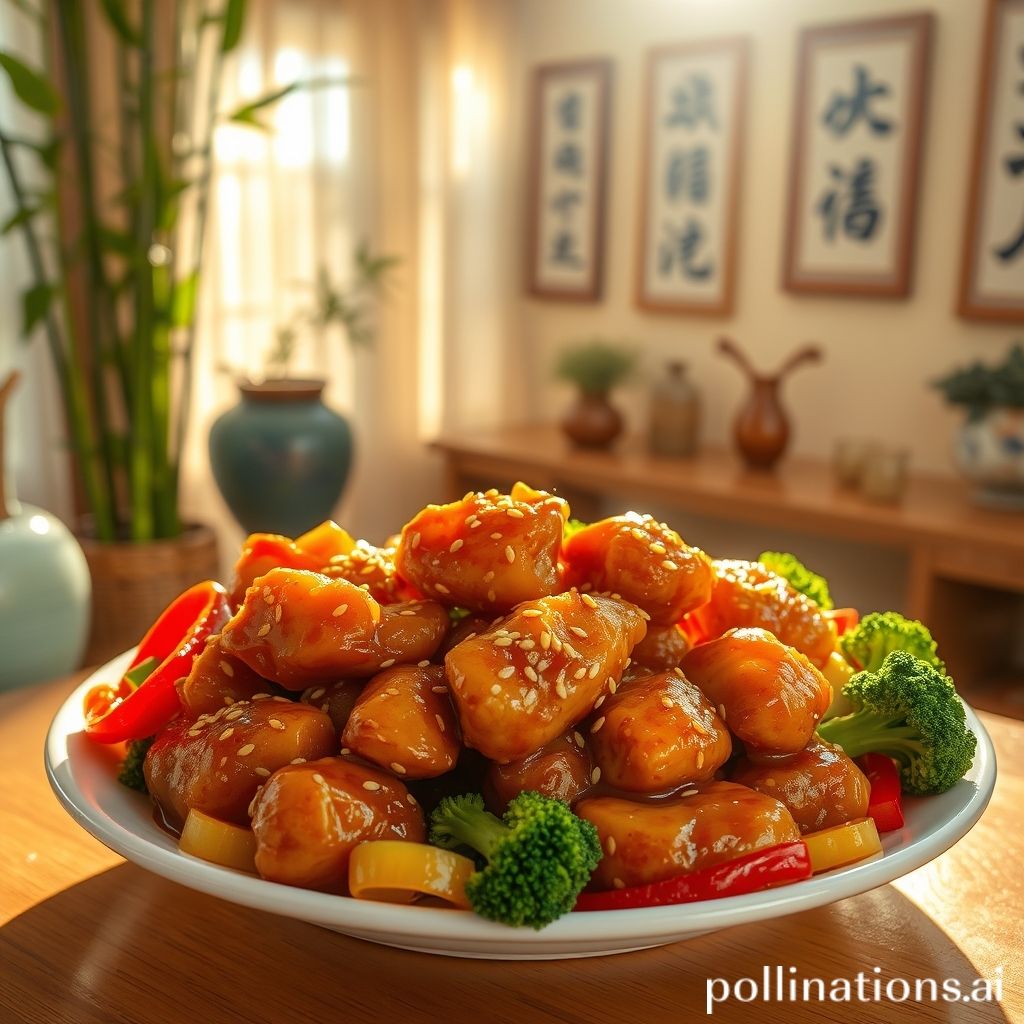
There’s a certain magic that occurs when flavors blend perfectly to create something truly delightful. Enter sticky sesame chicken—a dish that can excite your taste buds while captivating your senses with its juxtaposition of sweet, savory, and a hint of nutty sesame goodness. This culinary marvel not only promises a gastronomic adventure worth embarking upon but also paints a picturesque scene of sizzling chicken glazed to perfection. Imagine this: golden-brown, tender pieces of chicken glistening with a sticky sweet sauce, adorned with a sprinkle of toasted sesame seeds and fresh, vibrant scallions. Your kitchen transforms into a bustling culinary haven, filled with tantalizing aromas as you slowly master the essence of this Asian-inspired delight. If you’re ready to journey through the art of crafting the impeccable, mouthwatering sticky sesame chicken, come along with us as we delve into the secrets, step-by-step guidance, and cherished tips to elevate your cooking experience.
Prepare to redefine your cooking repertoire, one sticky sesame bite at a time.
Ingredients required for Sticky Sesame Chicken
To prepare Sticky Sesame Chicken, you’ll need a selection of key ingredients that ensure the dish is bursting with flavor and has the perfect sticky texture. Start with boneless, skinless chicken thighs, which are ideal for maintaining juiciness while cooking. Cut them into bite-sized pieces for even cooking and ease of serving.
For the marinade and sauce, gather soy sauce, both light and dark, to incorporate a rich umami flavor. Brown sugar is a crucial element, delivering the signature sweetness that balances the dish. Add freshly minced garlic and ginger for depth and a hint of zest, while rice vinegar introduces a subtle tang. Sesame oil is essential for its nutty aroma, enhancing the overall flavor profile.
To thicken the sauce and achieve the desired stickiness, corn starch mixed with water will perfectly coat the chicken. Toasted sesame seeds play a dual role, contributing both a rich taste and a pleasing garnish. For a touch of color and additional texture, include chopped green onions. These ingredients together create a beautifully balanced dish that’s sure to delight your taste buds.
Step-by-step cooking instructions
Begin by preparing your chicken. Cut boneless, skinless chicken breasts into bite-sized pieces and set them aside. In a bowl, combine cornstarch, salt, pepper, and mix well. Toss the chicken pieces in the cornstarch mixture until they are evenly coated.
Heat a large skillet over medium heat and add a tablespoon of vegetable oil. Once hot, add the chicken in batches, ensuring not to overcrowd the pan. Cook each batch for about 4-5 minutes until the chicken is golden brown and cooked through. Remove the chicken from the skillet and set it aside.
In the same skillet, add another tablespoon of oil if needed and lower the heat. Add minced garlic and ginger, sautéing them for about 1 minute until fragrant. Stir in soy sauce, honey, rice vinegar, and sriracha to create the sauce. Let the mixture simmer for 2-3 minutes.
Return the cooked chicken to the skillet, tossing it in the sauce until each piece is well-coated. Allow the chicken to cook for another 2 minutes to soak in the flavors. Finally, garnish with sesame seeds and chopped green onions before serving. Enjoy your sticky sesame chicken over steamed rice or noodles for a complete meal.
Tips for achieving the perfect texture and flavor
Achieving the perfect texture and flavor for sticky sesame chicken requires attention to detail and a few culinary tricks. Start by selecting high-quality chicken, preferably boneless thighs, for a juicy and tender result. Marinate the chicken in a mixture of soy sauce, garlic, ginger, and a dash of sesame oil to infuse it with deep flavor.
Coat the marinated chicken pieces in cornstarch before frying them. This step ensures a crisp surface that enhances the dish’s texture. Searing the chicken in a hot pan with a neutral oil creates a beautiful golden crust. Once fried, set the chicken aside and focus on the sticky sauce.
The sauce should strike a balance between sweetness and acidity. Combine honey, soy sauce, rice vinegar, and a sprinkle of brown sugar. Let it simmer until it thickens to the desired consistency. Return the chicken to the pan, thoroughly coating it with the sauce. Garnishing with toasted sesame seeds and chopped green onions adds the perfect crunch and freshness.
These steps will ensure that your sticky sesame chicken is not only bursting with flavor but also has that irresistible, mouth-watering texture that makes it a favorite amongst many.
Nutritional benefits and considerations
Sticky Sesame Chicken is more than just a delicious dish; it offers a range of nutritional benefits that can be a part of a balanced diet. This dish is primarily made with chicken, a lean protein source that is essential for muscle growth and repair. Protein also contributes to feelings of fullness, which can be beneficial for weight management. Sesame seeds, another key ingredient, provide healthy fats, particularly polyunsaturated and monounsaturated fats, which are known to support heart health. Additionally, sesame seeds are a good source of essential minerals such as copper, calcium, and iron, contributing to strong bones and improved blood circulation.
However, there are some considerations to keep in mind. The sweet sauce typically used in Sticky Sesame Chicken can be high in sugar, which could impact blood sugar levels if consumed in excess. Sodium levels may also be high due to soy sauce or other condiments used in the preparation, so individuals watching their sodium intake should be mindful. Opting for low-sodium soy sauce and moderating sauce portions can help mitigate these concerns while still enjoying the flavorful experience of Sticky Sesame Chicken.
Pairing suggestions for a complete meal
Pairing Sticky Sesame Chicken with complementary side dishes can elevate your dining experience, making for a well-rounded and satisfying meal. One of the perfect accompaniments is a fluffy bowl of jasmine or basmati rice. The steamed rice absorbs the flavors of the sticky sauce, providing a subtle base that complements the savory and sweet notes of the chicken.
Another excellent pairing is stir-fried vegetables, such as bell peppers, broccoli, and snap peas. These veggies add a crisp texture and a burst of color to your plate, while their fresh flavors balance the rich, sticky glaze of the chicken. For a touch of freshness, consider adding a light cucumber salad with a dash of rice vinegar, offering a refreshing contrast.
If you’re inclined towards noodles, sesame noodles are an ideal choice. Toss them in a bit of sesame oil and soy sauce for a cohesive flavor profile that marries well with the chicken. To top it off, a sprinkle of toasted sesame seeds and sliced green onions on the chicken not only enhances the presentation but also adds an additional layer of flavor.
Variations and substitutions to try
Sticky Sesame Chicken is a versatile dish that welcomes variations and substitutions, allowing you to cater to different taste preferences and dietary needs. One popular variation is to use tofu instead of chicken for a vegetarian option. Simply press and cube the tofu before frying it until golden brown, then coat with the delicious sesame sauce.
For those looking to reduce sodium intake, consider using low-sodium soy sauce or tamari, which is also gluten-free. You can also experiment with the sweetness by replacing honey with maple syrup or agave nectar, offering a unique flavor twist that pairs perfectly with the dish.
If you want to elevate the spice level, adding a drizzle of sriracha or a sprinkle of chili flakes can give the dish an exciting kick.
To add more depth to the flavor, try incorporating fresh ginger or substituting rice vinegar with freshly squeezed lime juice for a tangy zest.
Lastly, you can add extra colors and nutrients by mixing in vegetables like bell peppers, broccoli, or snap peas. These variations ensure that Sticky Sesame Chicken can be adapted to suit any palate or occasion.
Common mistakes to avoid
Cooking Sticky Sesame Chicken can be a delightful culinary adventure, but it’s essential to be mindful of common mistakes that can hinder the dish’s success. One primary error is not marinating the chicken properly. Marinating infuses the meat with flavors, and skipping this step can lead to a bland taste. Ensure the chicken is marinated for at least 30 minutes to an hour.
Another common mistake is overcrowding the pan. When the chicken pieces are too close, they steam rather than crisp, resulting in a less desirable texture. It’s best to cook in batches for evenly cooked and crispyized chicken.
Many also err in the sauce preparation. It’s crucial to achieve the right balance between sweet and savory. Overdoing sugar can overpower the dish, while insufficient sesame oil might not lend the aromatic depth that’s signature to the recipe. Finally, failing to toast the sesame seeds can diminish the nutty flavor that complements the dish so well. Always toast them lightly before garnishing to bring out their full potential.
Avoiding these mistakes paves the way to crafting a perfect Sticky Sesame Chicken, full of rich flavors and satisfying textures.
Recommended tools and equipment for preparation
To create the perfect Sticky Sesame Chicken, having the right tools and equipment in your kitchen can make a significant difference. A sharp chef’s knife is essential for cutting chicken into even, bite-sized pieces ensuring consistent cooking. Alongside this, a sturdy cutting board will help maintain precision and safety during preparation.
Using a large non-stick frying pan or wok will allow the chicken to cook evenly and develop a desirable crispy exterior. The depth of a wok is particularly useful when tossing and coating the chicken with the sticky sesame sauce.
A whisk or small spatula is recommended for stirring the sauce ingredients together, ensuring they combine smoothly without any lumps. A pair of tongs will come in handy for flipping the chicken pieces or transferring them with ease.
Lastly, consider using measuring spoons and cups for accurately portioning ingredients, particularly when working with soy sauce, sesame oil, and honey, as precise measurements can greatly influence the dish’s flavor balance. With these tools in place, you’ll be well prepared to create a delicious and flavorful Sticky Sesame Chicken.
Conclusion
As our culinary journey through the delectable world of Sticky Sesame Chicken comes to a close, it’s clear that mastering this dish not only satisfies a craving for bold flavors but also enriches your kitchen repertoire with a versatile and crowd-pleasing recipe. Whether you’re new to the art of cooking or a seasoned chef, the process of crafting this dish presents an enjoyable challenge that rewards with every succulent bite. From understanding the importance of the right ingredients and equipment to avoiding common pitfalls, this exploration lays a strong foundation for endless creativity in the kitchen.
For those eager to delve deeper into the realm of chicken dishes and elevate their cooking skills to new heights, there’s no better resource than The Chicken Bible: Say Goodbye to Boring Chicken with 500 Recipes for Easy Dinners, Braises, Wings, Stir-Fries, and So Much More. This comprehensive guide offers not just recipes but insights and tips to ensure each chicken creation is a culinary triumph. Don’t miss the chance to transform your dinners into extraordinary culinary experiences. Grab your copy today by visiting this link and embark on a delicious journey through the world of chicken. Let your kitchen be a place of innovation and taste surprises!