Table of Contents
- Introduction
- Identification of backflow problem and required plumbing inspection
- Utilizing plumbing camera inspection to assess the plumbing system
- Implementing plumbing drain cleaning methods to remove blockages
- Repairing or replacing plumbing fixtures that contribute to backflow
- Conducting plumbing valve repair or replacement for proper flow control
- Installing plumbing backflow prevention devices
- Testing and ensuring compliance with plumbing code regulations
- Providing ongoing maintenance and recommendations to prevent future backflow issues
- Conclusion
- Frequently Asked Questions
Introduction
In the world of plumbing, backflow is an invisible enemy, lurking in the shadows, waiting to compromise our clean water supply.
When the flow of water reverses, it can bring contaminants into our homes and businesses, posing serious health risks.
Yet, this formidable challenge is not insurmountable.
Plumbers are the unsung heroes who step into the fray, equipped with knowledge, tools, and techniques tailored to tackle backflow problems.
In this article, we peel back the layers of complexity surrounding backflow issues, unraveling the mystery of how these skilled professionals diagnose and resolve such dilemmas.
Are you curious about the specific tools they employ and the preventive measures they recommend?
Join us on this journey to discover the fascinating world of plumbing as we unlock the secrets to maintaining our water safety and integrity.

Identification of backflow problem and required plumbing inspection
Backflow problems can lead to serious health hazards and water contamination issues, making prompt identification and inspection crucial. The first step in addressing a potential backflow issue is recognizing the symptoms. Common signs include discolored water, unusual tastes or odors, and frequent plumbing blockages. Additionally, homeowners might notice decreased water pressure or unexplained increases in water bills.
To diagnose the issue accurately, a thorough plumbing inspection is essential. This typically involves examining the plumbing system for cross-connections, which can cause contaminated water to flow into clean water supplies. Plumbers will also assess backflow prevention devices, such as check valves, to ensure they are functioning correctly. In some cases, the inspection may require specialized equipment to test the pressure within the plumbing system. Regular inspections can help prevent backflow problems, ensuring that your water supply remains safe and clean. By being vigilant and proactive, homeowners can minimize the risk of backflow and protect their health and well-being.
Utilizing plumbing camera inspection to assess the plumbing system
Utilizing plumbing camera inspection is an effective method to assess the plumbing system and diagnose issues that may not be visible through traditional means. This technology involves the use of a small, waterproof camera attached to a flexible rod, which is inserted into the pipes. The camera transmits real-time video footage back to the plumber, allowing for a comprehensive visual inspection of the interior of the pipes.
One of the primary advantages of plumbing camera inspections is their ability to identify blockages, leaks, and structural damage without the need for invasive procedures. This not only saves time but also reduces the costs associated with repairing hidden issues. Moreover, the footage obtained can be used to provide homeowners with valuable insights into the condition of their plumbing system. Once issues are identified, plumbers can determine the best course of action for repairs, whether it involves cleaning the pipes, performing a repair, or even replacing sections of the plumbing system altogether. This proactive approach ensures that plumbing problems are addressed before they escalate into more significant, costly issues.
Implementing plumbing drain cleaning methods to remove blockages
When dealing with plumbing drain cleaning methods to remove blockages, several effective techniques can be implemented.
One common method is using a plunger, which creates a vacuum effect to dislodge minor clogs.
For more stubborn blockages, a plumber may employ a drain snake or auger. This tool allows for deeper penetration into pipes, breaking up the material causing the obstruction.
Another popular method involves using a mixture of baking soda and vinegar. When combined, these substances can create a fizzing reaction that helps to dissolve buildup within the pipes.
High-pressure water jetting is also an advanced technique used by professionals to clear blockages. By sending a powerful stream of water through the pipes, it can flush out accumulated debris and restore flow efficiency.
For ongoing maintenance, regular use of enzymatic cleaners can help prevent future clogs by breaking down organic matter. Each of these methods plays a crucial role in maintaining the functionality of plumbing systems and ensuring that waste is effectively transported.
Repairing or replacing plumbing fixtures that contribute to backflow
Repairing or replacing plumbing fixtures that contribute to backflow is a crucial step in maintaining a safe and functional plumbing system. Backflow can occur when there is a sudden change in pressure in the pipes, allowing contaminated water to flow back into the clean supply. Common culprits for backflow problems include hose bibs, garden sprinklers, and faulty valves.
To address these issues, a plumber typically begins by inspecting the existing fixtures to identify any signs of damage or wear. If a fixture is found to be defective or improperly installed, the plumber may recommend replacement with a more suitable or updated model designed to prevent backflow.
In some cases, the plumber may also install backflow prevention devices, such as air gaps or check valves, to ensure that water flows in one direction only. These devices act as barriers between the clean water supply and potential contaminants. Regular maintenance and inspections of plumbing fixtures are essential to prevent backflow issues and ensure the longevity of the plumbing system.
Conducting plumbing valve repair or replacement for proper flow control
Conducting plumbing valve repair or replacement is essential for maintaining proper flow control within a plumbing system. Valves are critical components that regulate water flow, pressure, and direction. Over time, valves may become worn, corroded, or damaged, leading to inefficiencies or leaks. When addressing a backflow problem, it is vital to first identify the type of valve at fault. Common types include gate valves, ball valves, and check valves, each requiring specific methods for repair or replacement.
To repair a valve, a plumber may start by shutting off the water supply and draining the system. They often inspect the valve for visible damage, such as cracks or mineral buildup, which can impede function. In some cases, replacing seals or gaskets may suffice. However, if the valve is beyond repair, a complete replacement may be necessary. This involves removing the faulty valve and installing a new one, ensuring proper alignment and connectivity to avoid future issues.
Using the right tools and techniques is crucial for a successful valve repair or replacement, as it directly impacts the overall efficiency of the plumbing system.
Installing plumbing backflow prevention devices
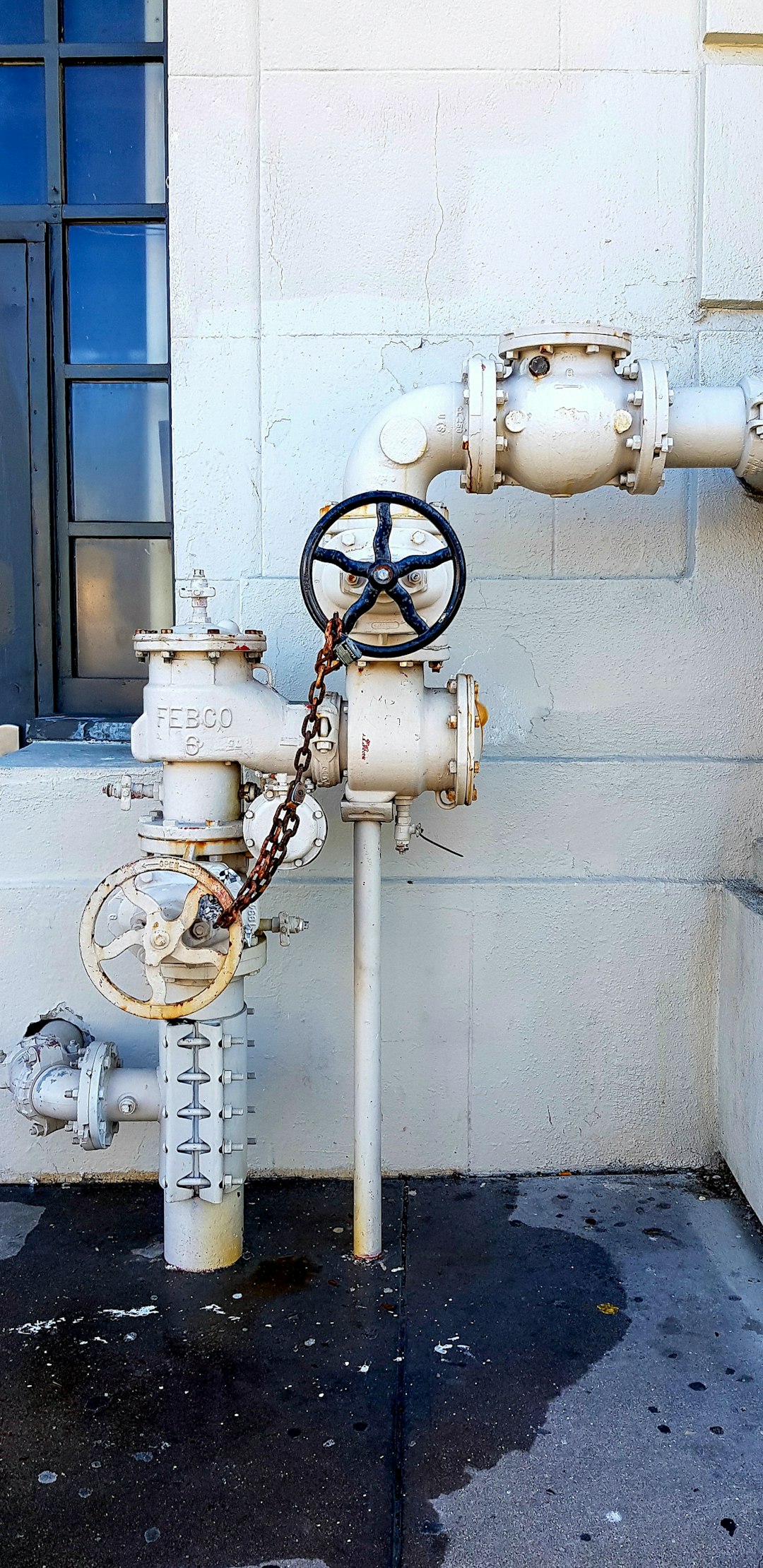
Installing plumbing backflow prevention devices is a crucial step in ensuring safe and clean water supply within residential and commercial properties. Backflow prevention devices are designed to stop contaminated water from flowing back into the clean water supply, thus protecting public health. The installation process typically begins with assessing the existing plumbing system to determine the appropriate type of backflow prevention device, such as a reduced pressure zone (RPZ) valve, double check valve, or atmospheric vacuum breaker, based on the specific needs of the property.
Once the suitable device is identified, the plumber will shut off the water supply to the area where the installation will take place. The selected backflow prevention device is then installed according to local plumbing codes and manufacturer instructions, ensuring that it is correctly positioned and securely attached to the plumbing system. After installation, testing is essential to confirm that the device functions properly, providing a reliable barrier against backflow. Regular maintenance and annual testing of backflow prevention devices are recommended to ensure ongoing compliance and effectiveness in maintaining a safe water supply.
Testing and ensuring compliance with plumbing code regulations
Testing and ensuring compliance with plumbing code regulations is a crucial part of maintaining safe and effective plumbing systems. These regulations are designed to protect public health and safety by ensuring that plumbing installations are built to specific standards. To begin the testing process, plumbers will often conduct pressure tests on the system to identify any leaks or weaknesses. This involves pressurizing the pipes with water or air and monitoring for any drops in pressure that indicate a potential issue.
Additionally, plumbers must adhere to local and national building codes, which can specify everything from the materials used to the installation methods. Compliance is typically verified by inspections conducted by local authorities. These inspections assess whether the work meets the required standards and regulations.
Moreover, thorough documentation should be maintained to track compliance and any modifications made during the plumbing installation. By following these procedures, plumbers can ensure that their work not only meets regulatory standards but also functions effectively, providing long-term reliability and safety.
Providing ongoing maintenance and recommendations to prevent future backflow issues
Providing ongoing maintenance and recommendations is essential to prevent future backflow issues. Regular inspections and testing of backflow preventers ensure that they are functioning correctly. A qualified plumber should conduct these checks at least once a year, or more frequently if the system is used heavily.
It is also vital to educate property owners about the importance of keeping their plumbing systems clean and free from debris that can cause blockages. Simple measures such as regularly checking gutters, downspouts, and sewer drains can significantly reduce the risk of backflow problems.
Additionally, installing proper drainage solutions and sump pumps can help manage water flow and mitigate potential backflow situations.
Property owners should also be informed about the potential effects of landscaping choices on their plumbing systems. Deep-rooted plants near sewer lines can cause damage, leading to backflow issues. By staying proactive with maintenance and making informed decisions, the likelihood of encountering backflow problems can be greatly reduced.
Conclusion
In conclusion, addressing backflow problems is essential for maintaining a safe and healthy plumbing system. By understanding the identification, inspection, and repair processes involved, homeowners can take proactive measures to protect their water supply from contamination. From utilizing innovative plumbing camera inspections to installing backflow prevention devices and adhering to plumbing code regulations, each step is critical in mitigating risks. Ongoing maintenance and educational efforts are equally important to prevent future issues.
It is crucial for homeowners to act promptly at any signs of backflow to avoid more significant health hazards and costly repairs. If you suspect any backflow problems in your plumbing system, don’t hesitate to reach out for professional help. Contact us at 573-555-2121 today and ensure the safety of your water supply!