Table of Contents
- Introduction
- Ingredients needed for Tuscan Chicken Pasta
- Step-by-step cooking instructions
- Tips for selecting and preparing the chicken
- Variations and substitutions for the dish
- Pairing suggestions for drinks and side dishes
- Nutritional information and benefits
- Storage and reheating guidelines
- Common mistakes to avoid when making Tuscan Chicken Pasta
- Conclusion
- Frequently Asked Questions
Introduction
Imagine sitting in a cozy Italian trattoria, the air filled with the comforting aroma of creamy, savory goodness. If that sounds like an experience you can’t pass up, then you’re in for a treat! Get ready to bring a piece of Tuscany to your kitchen with our decadent Tuscan Chicken Pasta recipes.
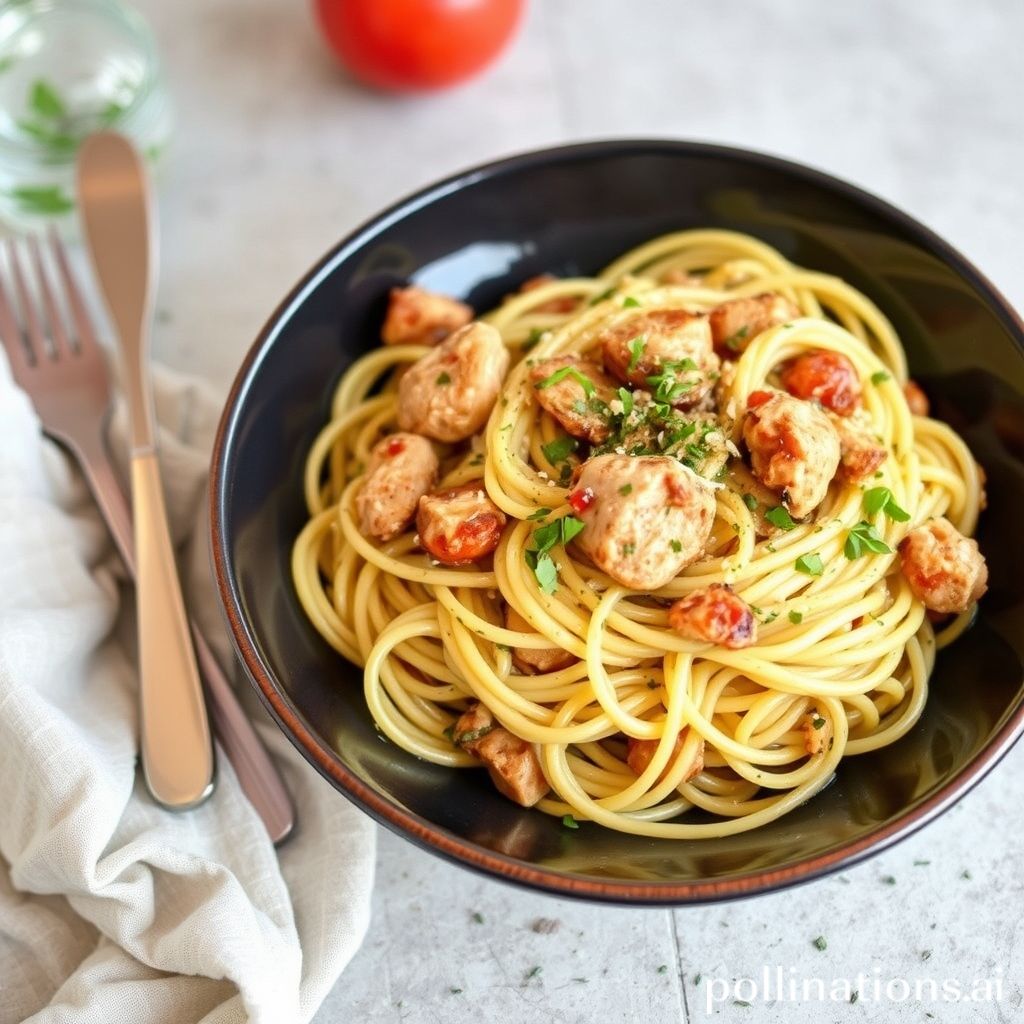
Whether you’re cooking for a family dinner, a romantic evening, or simply indulging in some self-care with a fantastic meal, these recipes will transport you straight to the heart of Italy. From succulent chicken breasts marinated in fragrant herbs to a rich, velvety sauce bursting with the flavors of sun-dried tomatoes, garlic, and Parmesan cheese, this is more than just pasta—it’s an unforgettable culinary experience.
Stay with us as we delve into the world of Tuscan Chicken Pasta, where every bite promises a taste of heaven. Ready to get started? Bon appétit!
Ingredients needed for Tuscan Chicken Pasta
Tuscan Chicken Pasta is a creamy and flavorful dish that combines tender chicken, sun-dried tomatoes, spinach, and a rich cheesy sauce with pasta. To make this delicious dish, you will need the following ingredients:
Chicken: 2 boneless, skinless chicken breasts, seasoned with salt and pepper. You may also use chicken thighs if preferred.
Pasta: 12 ounces of your favorite pasta, such as penne or fettuccine.
Vegetables: 1 cup of sun-dried tomatoes (packed in oil and drained) and 2 cups of fresh baby spinach.
Creamy Sauce: 1 cup of heavy cream, 1/2 cup of chicken broth, and 1 cup of grated Parmesan cheese.
Aromatics: 4 cloves of garlic, minced, and 1 small onion, finely chopped.
Seasonings: Salt, pepper, and 1 teaspoon of Italian seasoning.
Olive Oil: 2-3 tablespoons of extra-virgin olive oil for cooking the chicken and sautéing the aromatics.
These ingredients come together to create a rich and satisfying meal. You can easily adjust the quantities or substitute ingredients based on your preferences or dietary needs.
Step-by-step cooking instructions
To make a delicious Tuscan Chicken Pasta, start by seasoning your chicken breasts with salt, pepper, and Italian seasoning. Heat a large skillet over medium heat and add some olive oil. Cook the chicken breasts until they are golden brown on both sides and cooked through. Remove the chicken from the skillet and set it aside.
In the same skillet, add minced garlic and sauté until fragrant. Then, pour in some chicken broth and heavy cream, stirring well to combine. Bring the mixture to a simmer. Add sun-dried tomatoes and spinach to the skillet, cooking until the spinach wilts down.
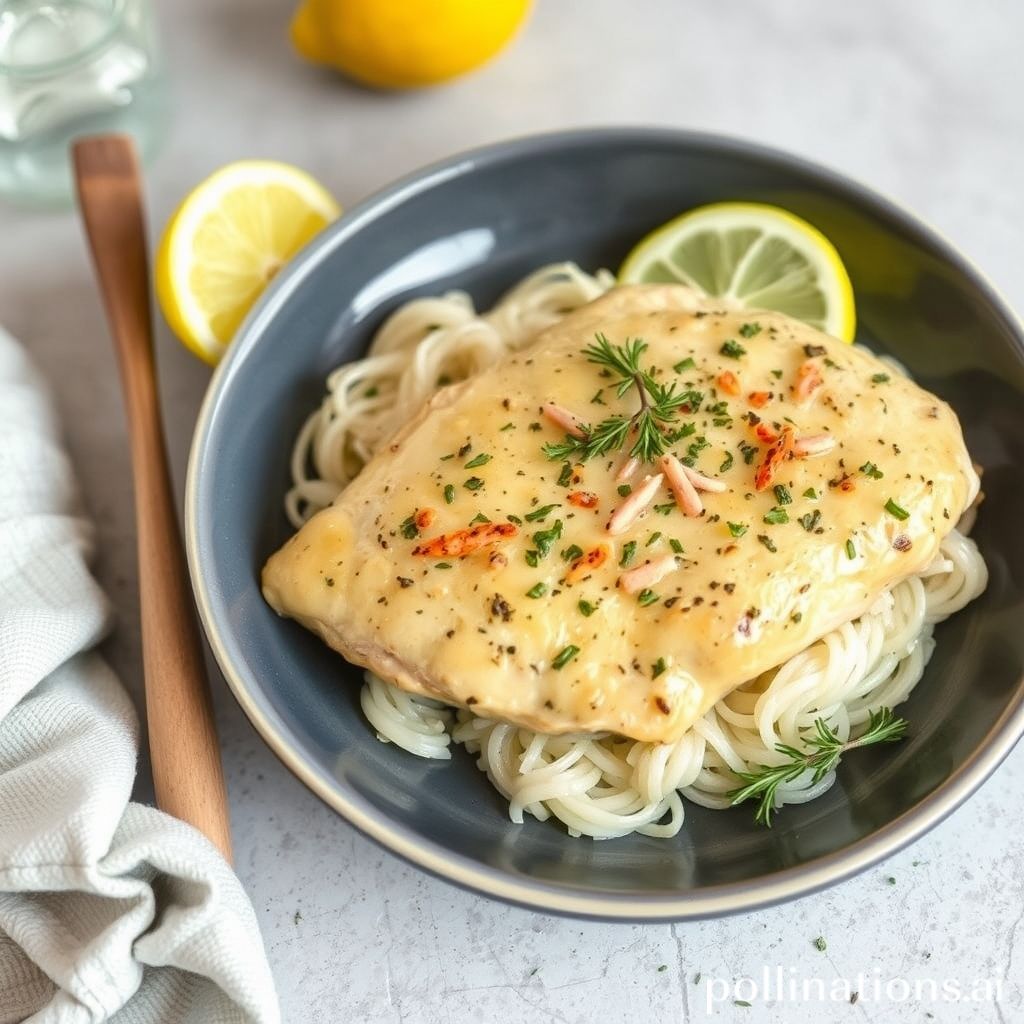
While the sauce is simmering, cook your pasta according to the package instructions until al dente. Drain the pasta and add it to the skillet, tossing to coat it in the creamy sauce. Slice the cooked chicken breasts and place them on top of the pasta. Sprinkle with grated Parmesan cheese and garnish with fresh basil leaves if desired.
Your Tuscan Chicken Pasta is now ready to be served. Enjoy this hearty and flavorful dish with a side of garlic bread or a fresh salad!
Tips for selecting and preparing the chicken
When it comes to making Tuscan Chicken Pasta, the choice and preparation of the chicken are crucial for achieving the best flavor and texture. Opt for boneless, skinless chicken breasts or thighs, as they cook evenly and absorb flavors well. Fresh, organic chicken is often more tender and flavorful than frozen varieties, though defrosted frozen chicken can also work in a pinch.
Begin by seasoning the chicken generously with salt, pepper, and a pinch of dried Italian herbs such as oregano, basil, or thyme. This base seasoning enhances the dish’s overall taste. If you have time, marinate the chicken for at least 30 minutes to allow the flavors to penetrate more deeply.
For cooking, a quick sear in a hot skillet with a bit of olive oil locks in the juices and browns the exterior, adding a rich layer of flavor. Aim for a golden crust but be cautious not to overcook the chicken, as it can become dry. The chicken should be cooked until it reaches an internal temperature of 165°F (74°C). Let it rest for a few minutes before slicing it into strips or chunks, ensuring it stays juicy and tender.
Variations and substitutions for the dish
Tuscan Chicken Pasta is a versatile dish that lends itself well to various adaptations and substitutions, making it a favorite in many households. For those looking to cut down on carbs, try replacing the traditional pasta with whole wheat or gluten-free pasta, or even spiralized vegetables like zucchini or spaghetti squash.
For a richer flavor, consider using sun-dried tomatoes packed in oil instead of fresh tomatoes. You can also substitute heavy cream with a lighter option like half-and-half or even coconut milk for a dairy-free alternative.
Protein can be varied too; if you don’t have chicken on hand, shrimp or even tofu can be excellent substitutes. Vegetarians might enjoy adding more seasonal vegetables, such as bell peppers, spinach, or artichokes.
Herbs and spices can easily be adjusted to suit your taste buds. While the classic recipe calls for a mix of Italian herbs, you could experiment with fresh basil, rosemary, or thyme for a different flavor profile.
Lastly, if you want to add a bit of tang, incorporate a splash of white wine or a sprinkle of feta cheese on top. These variations and substitutions ensure that Tuscan Chicken Pasta can be personalized to cater to a wide range of dietary preferences and taste profiles.
Pairing suggestions for drinks and side dishes
When it comes to pairing drinks and side dishes with Tuscan Chicken Pasta, the options are plentiful and delicious. For beverages, a crisp white wine such as a Pinot Grigio or Sauvignon Blanc complements the creamy sauce and savory chicken perfectly. If you prefer red wine, a light-bodied Chianti is an excellent choice that won’t overpower the delicate flavors of the dish. For a non-alcoholic option, consider sparkling water with a twist of lemon or a refreshing iced tea.
As for side dishes, a simple green salad with a light vinaigrette offers a refreshing contrast to the richness of the pasta. You can also opt for roasted vegetables like asparagus or bell peppers to add a touch of smoky flavor and a burst of color to your meal. Garlic bread or a crusty baguette is a classic choice that not only helps to soak up the delicious sauce but also adds a satisfying crunch. For something more substantial, consider serving a Caprese salad with ripe tomatoes, fresh mozzarella, and basil drizzled with balsamic glaze. These pairings will enhance the dining experience and bring out the best in your Tuscan Chicken Pasta.
Nutritional information and benefits
Tuscan Chicken Pasta is not only a delectable dish but also offers a range of nutritional benefits. This pasta dish typically includes ingredients like grilled chicken, sun-dried tomatoes, spinach, and a creamy sauce, all served over a bed of pasta. Each serving provides substantial amounts of protein, thanks to the chicken, which is essential for muscle repair and growth. The sun-dried tomatoes and spinach add a wealth of vitamins and minerals, such as vitamin C, vitamin K, and iron, which are vital for various bodily functions including immune support and blood health. Additionally, spinach is rich in antioxidants, which help combat oxidative stress and inflammation.
The creamy sauce, often made from ingredients like heavy cream or a dairy alternative, adds healthy fats that are crucial for brain function and hormone regulation. While pasta is generally high in carbohydrates, choosing whole-grain options can boost fiber intake, aiding in digestion and providing sustained energy levels. When enjoyed in moderation and balanced with other nutrient-dense foods, Tuscan Chicken Pasta can be a part of a healthy and satisfying diet. As with any dish, attention to portion sizes and ingredient quality can further enhance its nutritional value.
Storage and reheating guidelines
Proper storage and reheating of Tuscan Chicken Pasta are essential to maintain its flavor and texture. To store, transfer the pasta to an airtight container and refrigerate within two hours of cooking. It will last in the fridge for up to 3-4 days.
If you plan to freeze the pasta, place it in a freezer-safe container or a heavy-duty freezer bag, removing as much air as possible before sealing. Tuscan Chicken Pasta can be stored in the freezer for up to three months.
When ready to reheat, thaw the frozen pasta in the refrigerator overnight. For stove-top reheating, add a splash of chicken broth or water to the pasta in a skillet over medium heat and stir occasionally until heated through. Alternatively, you can reheat it in the microwave. Place a portion in a microwave-safe dish, cover with a microwave-safe lid or plastic wrap, and heat on medium power in 1-minute intervals, stirring in between, until warm.
By following these guidelines, you can ensure your Tuscan Chicken Pasta remains delicious and enjoyable, even as leftovers.
Common mistakes to avoid when making Tuscan Chicken Pasta
Making Tuscan Chicken Pasta can be a delightful culinary experience, but there are common mistakes to be mindful of. One major mistake is overcooking the chicken, which can result in dry and tough meat. Make sure to cook the chicken until it’s just done, ensuring it remains juicy and tender.
Another frequent error is not seasoning the dish adequately. Under-seasoned pasta can taste bland. Use salt, pepper, and Italian herbs generously to enhance flavors.
Many also forget to deglaze the pan after cooking the chicken, missing out on the delicious brown bits that add depth to the sauce. Pour a bit of chicken broth or white wine into the pan to lift these flavors.
Skipping the cream or using a low-fat substitute can lead to a watery sauce. For that rich, creamy texture characteristic of Tuscan Chicken Pasta, full-fat heavy cream is a must.
Lastly, overcrowding the pan can prevent the ingredients from cooking evenly. Use a large enough pan to give everything space to cook properly. By avoiding these mistakes, you can make a delicious, restaurant-quality Tuscan Chicken Pasta at home.
Conclusion
In conclusion, Tuscan Chicken Pasta is a dish that combines simplicity and sophistication, making it a perfect choice for both casual weeknight dinners and special occasions. The blend of tender chicken, rich creamy sauce, and vibrant sun-dried tomatoes and spinach creates a symphony of flavors that is sure to delight your taste buds. Whether you stick to the classic recipe or experiment with the suggested variations, this dish is bound to become a favorite.
Now that you’ve discovered the secrets to mastering Tuscan Chicken Pasta, why not expand your culinary repertoire further? Dive into a world of mouth-watering chicken recipes with The Chicken Bible: Say Goodbye to Boring Chicken with 500 Recipes for Easy Dinners, Braises, Wings, Stir-Fries, and So Much More. This incredible book offers an extensive collection of delicious and innovative chicken dishes that will keep your meals exciting and full of flavor. Don’t miss the chance to bring new life to your kitchen—get your copy today!